So, You Want to Open a Bookshop? Our favourite Case Study (so far)
Words and photos: Miguel Barbot
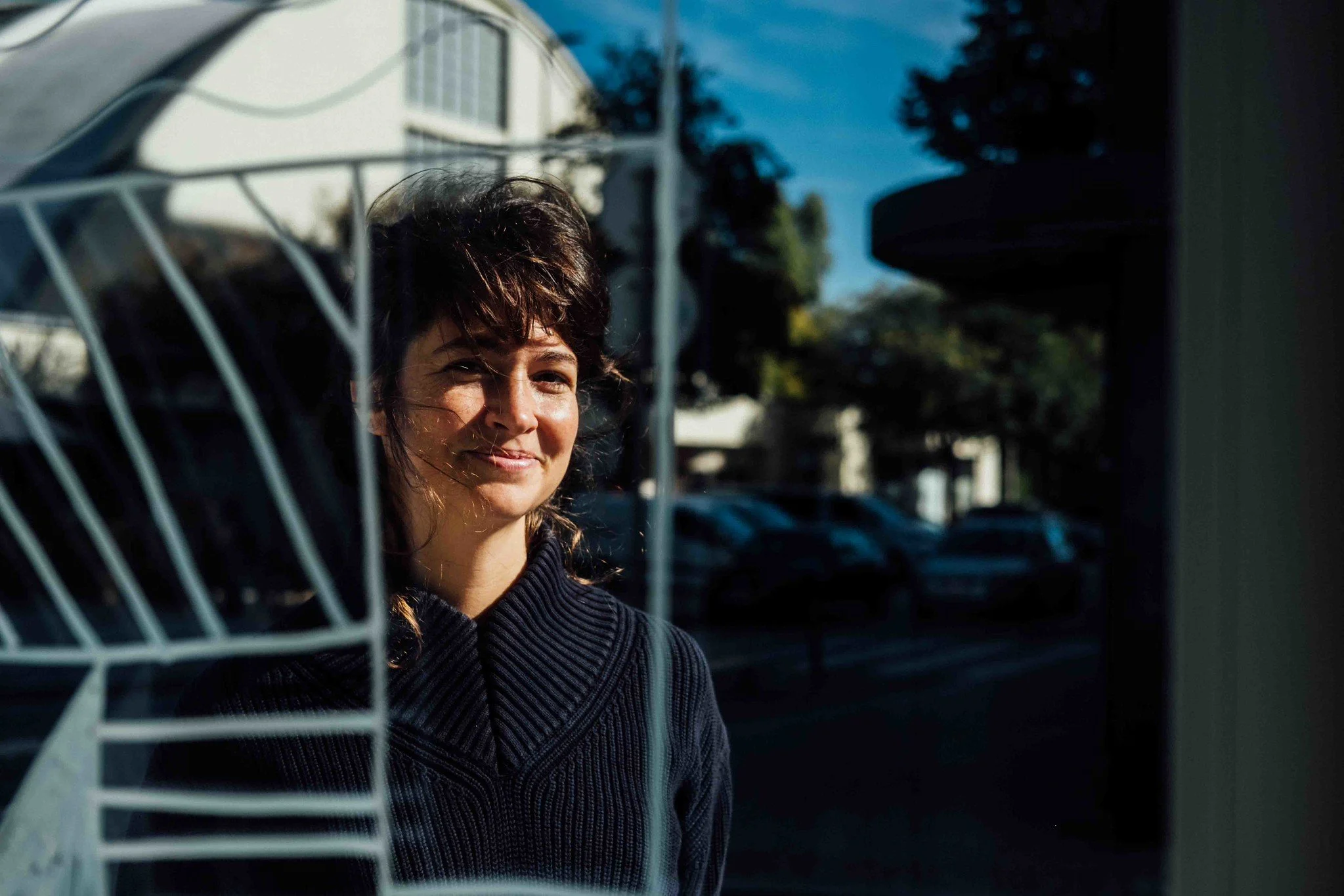
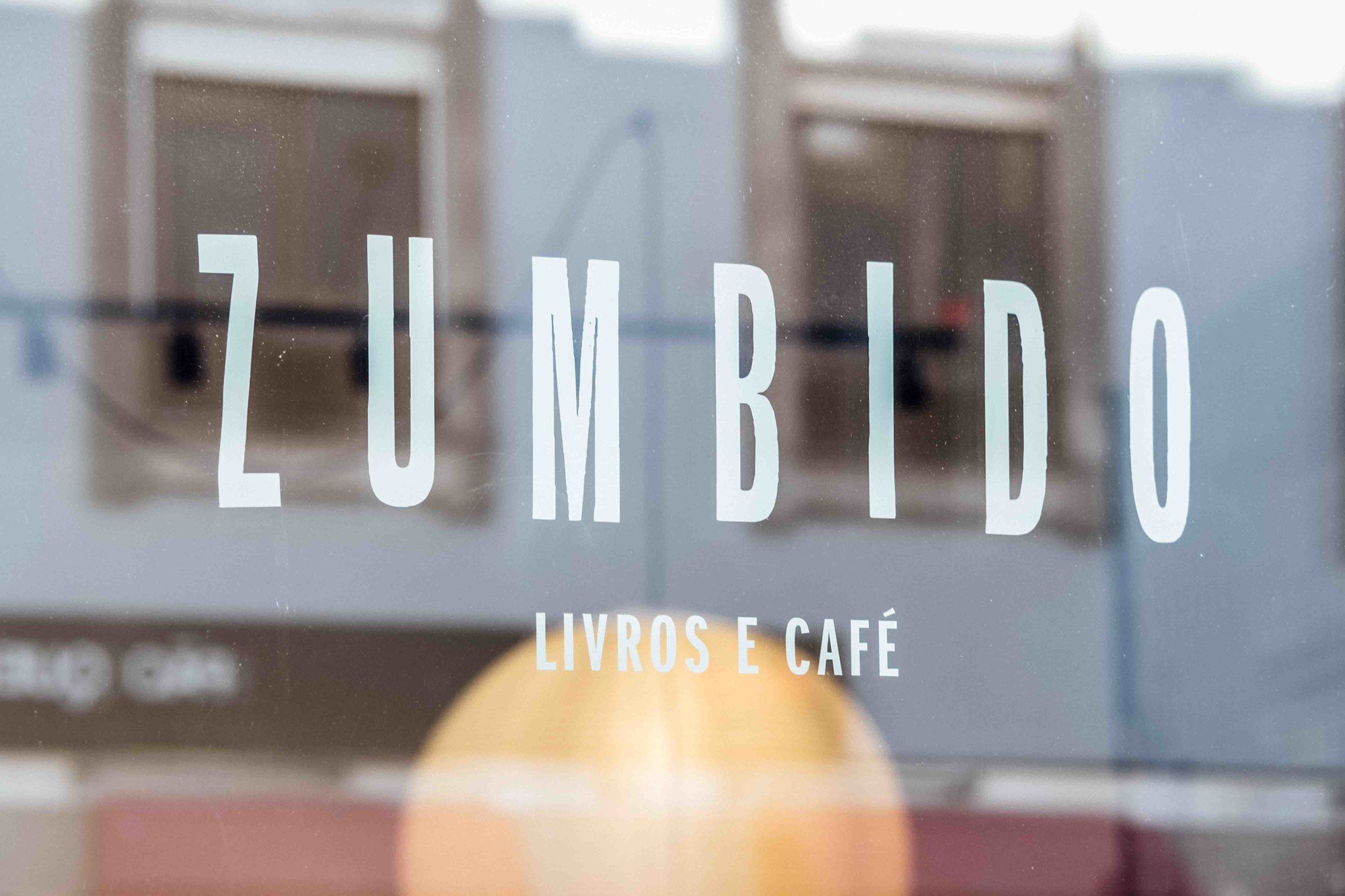
Joana Domingues, Zumbido’s founder
Why is this our favourite case study so far? Spoiler - it has books, family, friends, coffee and good booze—a handful of my favourite things. To be perfectly perfect, it would also have to include cooked food, but it would be just impossible, as you will read in this post.
Zumbido Books, Joana's dream, arrived at our desk exactly one year ago. After spending the last decade working as a filmmaker for Canal 180, one of Porto's most innovative media projects, Joana had a plan: to keep things visual in her life and open a bookshop dedicated to the universe of children and illustration.
There were several motives for changing her professional life altogether. There always are when one decides to do such a move—in her case, it is a sort of healing project and a way of spending less time commuting to the other side of town, when her family spends it in Matosinhos (technically a different city), slowing the pace and finding connection in her community and re-finding joy in work by fulfilling a creative vision. We are here to help entrepreneurs like Joana build something tangible from their creativity, but not it a dangerous way.
We started our collaboration at a very early stage of the new business creation, still in the ideation phase. Everything was still very open, from the business model to finding the perfect piece of real estate to host a shop.
The location was not up for discussion: it should be in Matosinhos, either in the "modern" and upscale southern neighbourhood, neighbours to Porto's wealthy Foz suburb, or in the Market District, more traditional and still a bit run-down.
If you have been following us for the past few years, you know that our vote would always go to the old town, where 14 years ago we launched Velo Culture and have since provided strategic support for various local creative entrepreneurs.
After many endeavours and conflicting ideas about the options available in the market, Joana decided on the blue corner shop by the Fish Market—a perfect, small, recently renovated space. Being in a recently refurbished building, the purchase drained the budget, but it required just a minimum investment.
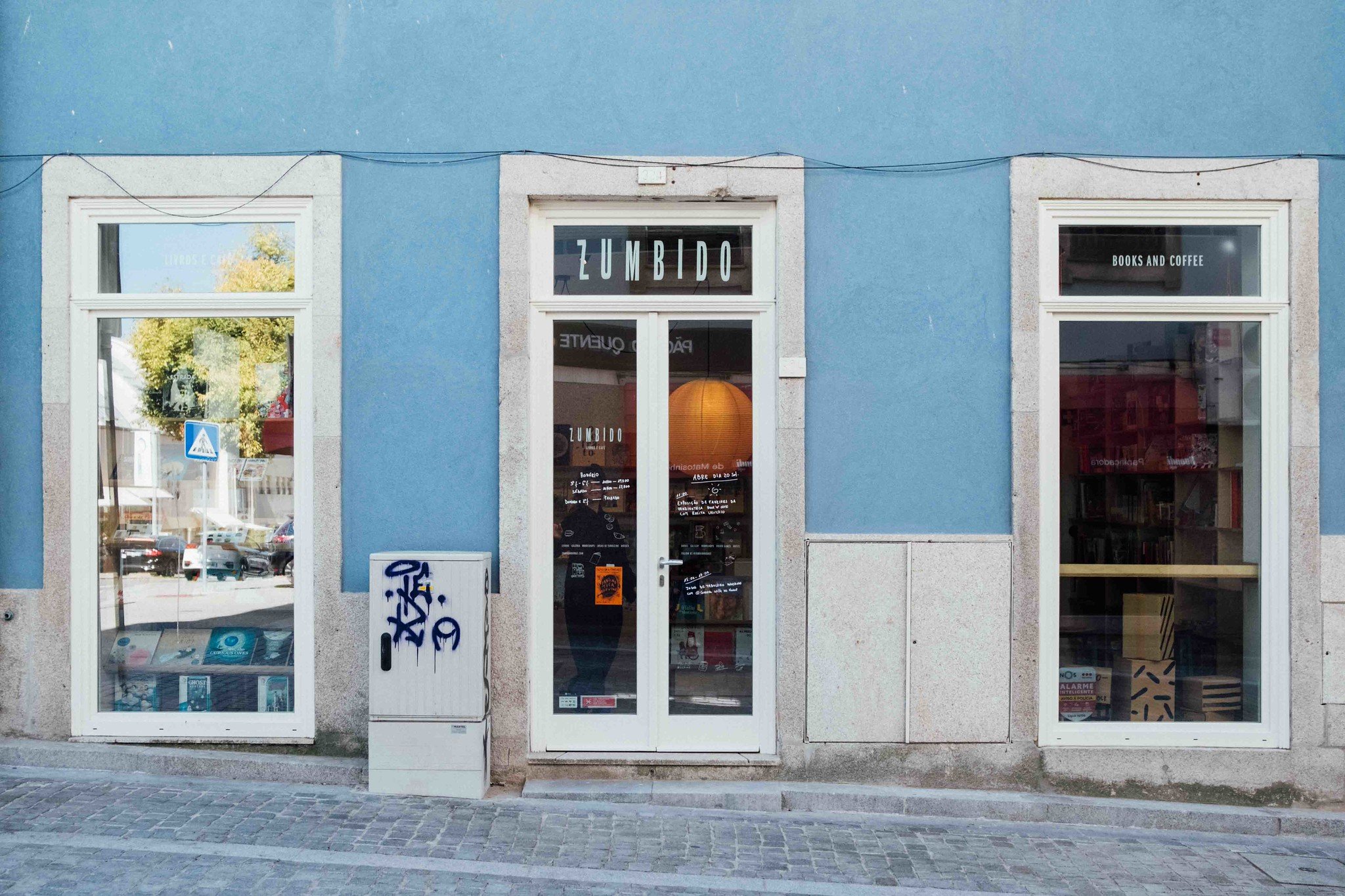
Blue is the warmest colour.
Red Flags and a Niche within a Niche
As in other projects, one of our first concerns was to find red flags - in this case, to anticipate how things could go south in such a specific retail business. We saw plenty of them raised in front of our eyes.
The shop is prime real estate, even being in a still-to-be-developed area. So, there is an opportunity cost - how much rent would the client be getting if she stayed at home and just let it? This cost should be part of the model. In two or three years, the household will need this money.
The second red flag concerned the local purchasing power: this is a working-class neighbourhood, and the majority of residents and potential customers are Portuguese. The Market District is far from being populated by wealthy tourists, affluent expats, and creative professionals willing to spend money on books like other locations in Central Porto are.
The third: children's books are a niche within a niche. We know books are not a niche, but the total book market in Portugal is just below 200M€, with 14M books sold in 2024, including e-books. Portugal has the lowest reading and book-buying figures in Europe! To make things worse, just 12% of the purchases were made in independent bookshops. With the middle class facing a housing and cost-of-living crisis, struggling to pay rent and make ends meet, selling high-quality children's books in Portuguese at an independent bookshop seems risky enough, and sufficient niche. Don't get me wrong, we love niches: the more niche the better. But we love niches that are in a "blue ocean", pardon me the business jargon, not in overpopulated, low-profit ponds.
Risk, catering to young adults and filter coffee by the window
The first concern of our projects is addressing Risk. How can a bookshop in an emerging neighbourhood (but quite hip), be a financially sustainable business, despite the red flags I mentioned earlier?
There were three obvious answers: community, diversity and "third-space".
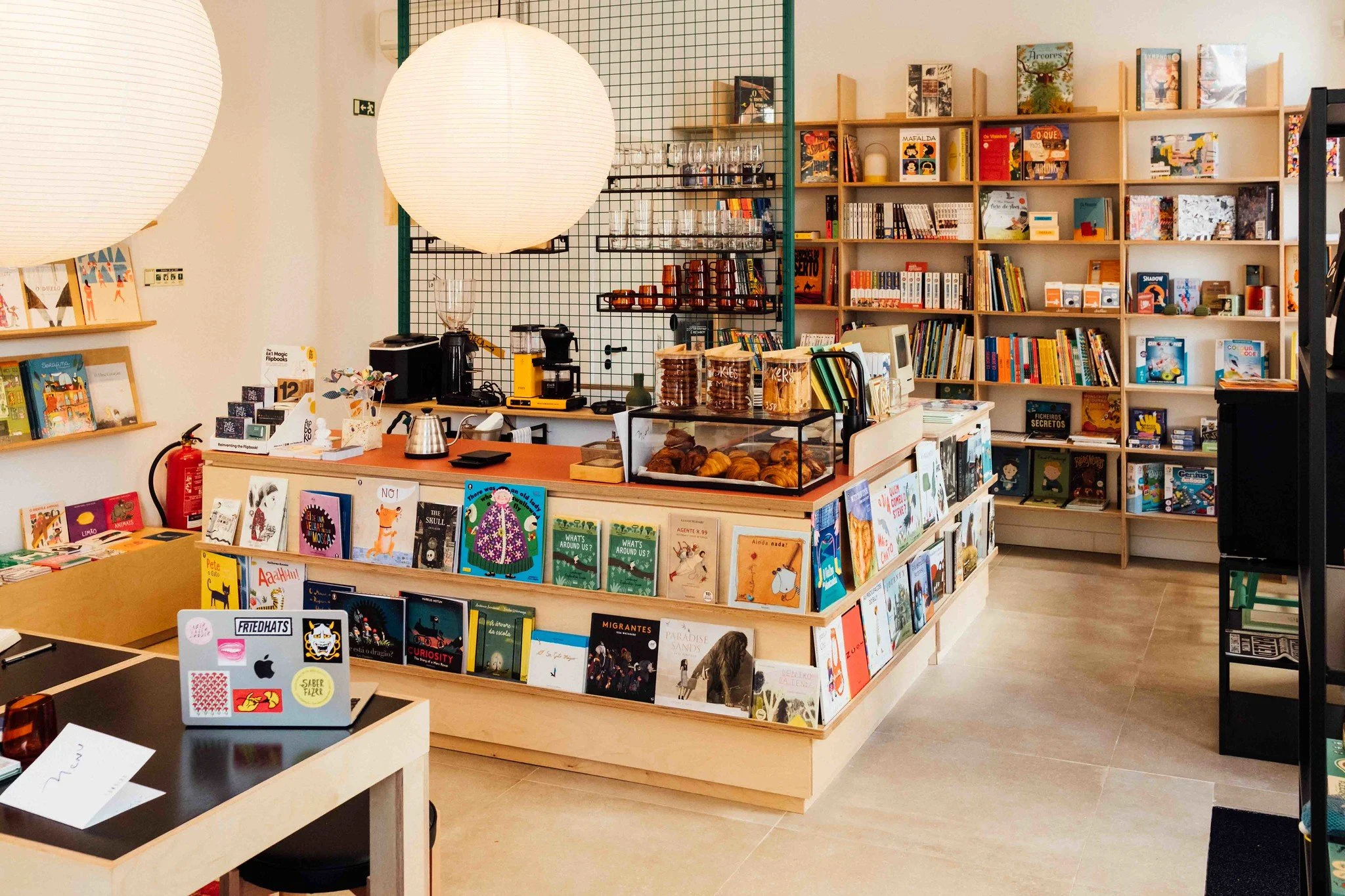
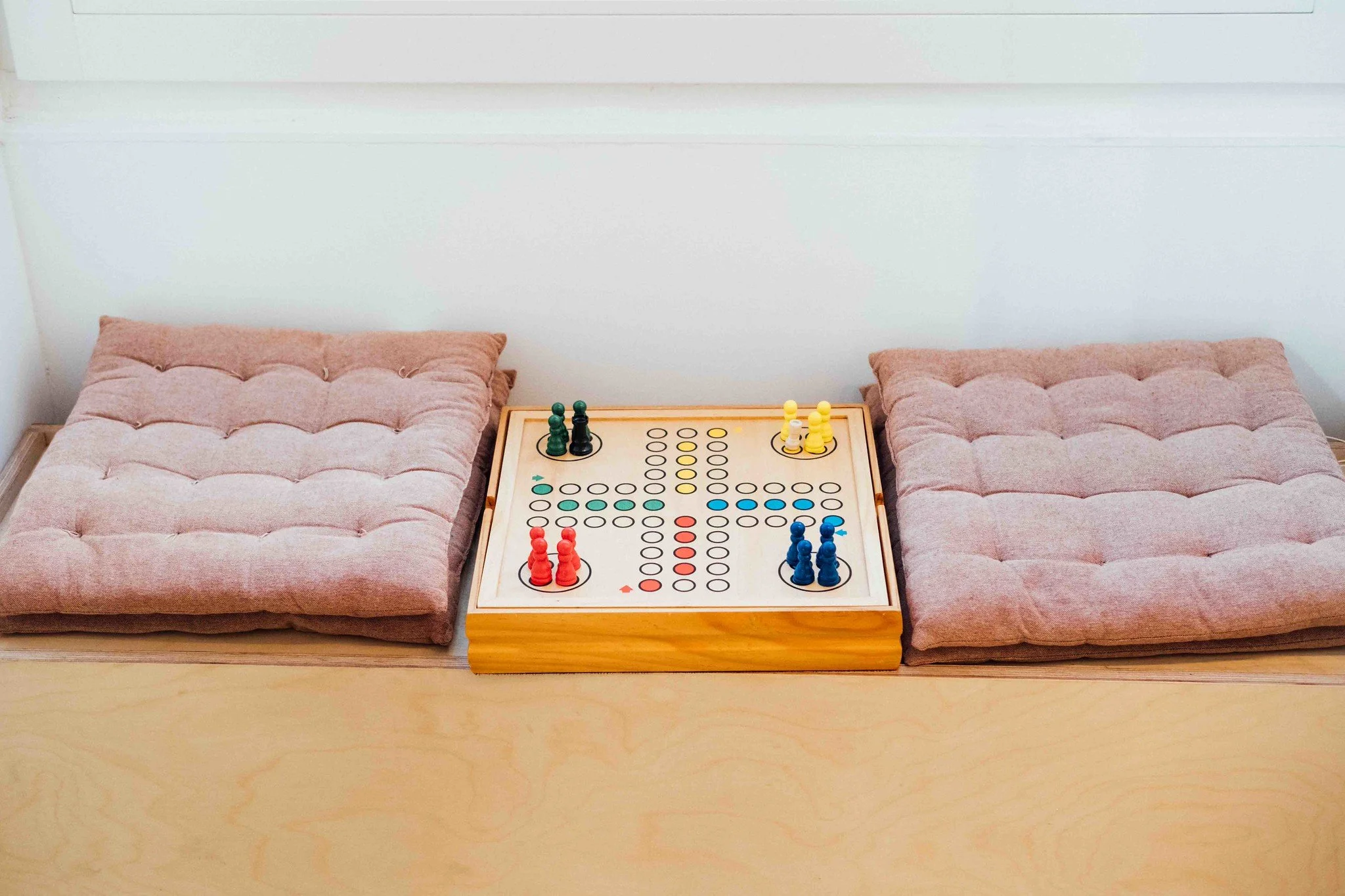
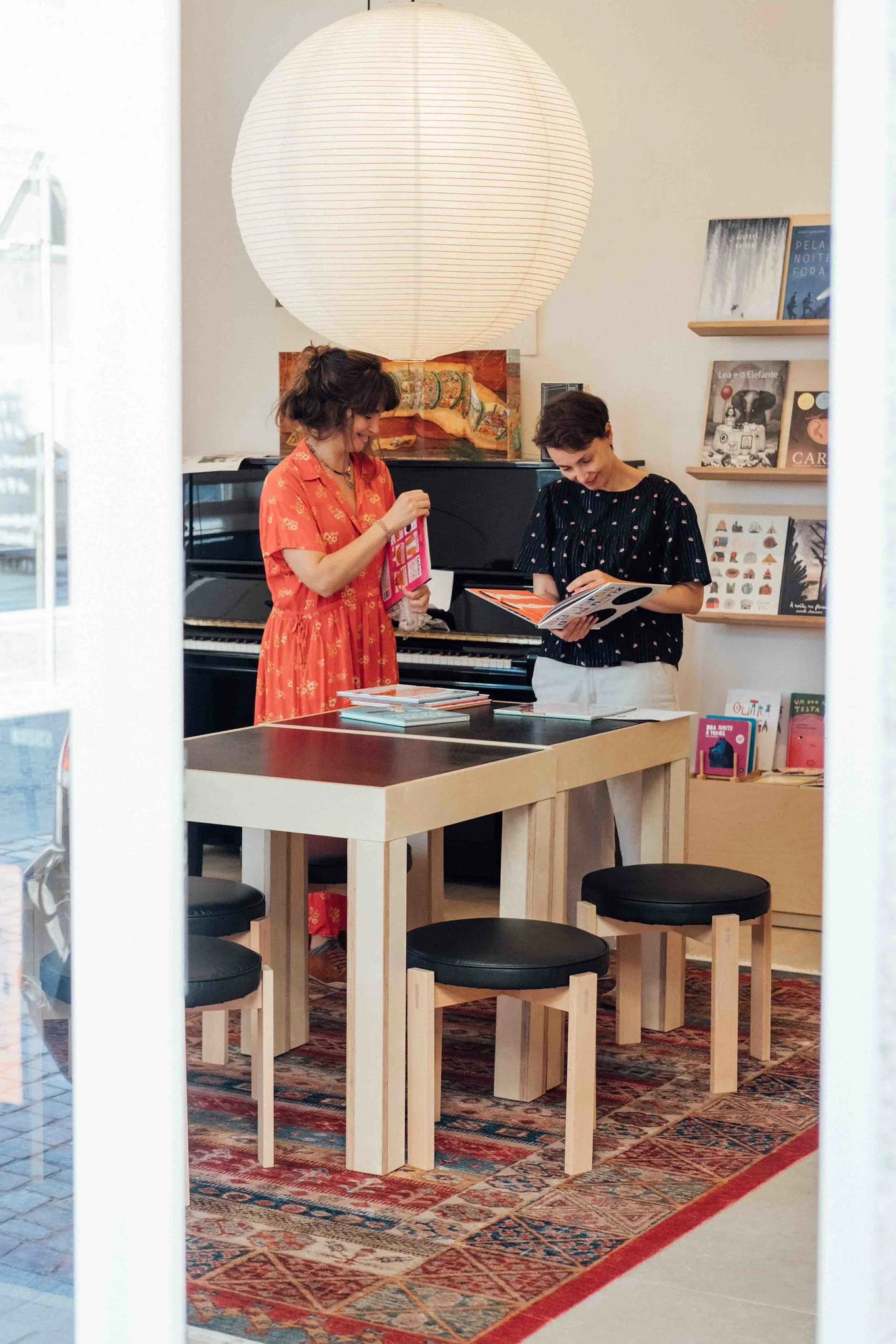
First, we should cater to loyal customers, offering them a space to be with their families. More than just a bookshop, the shop would be a place of play, discovery and knowledge. A cosy, well-located and owner-operated shop can make wonders for your kids' playgroup. And Joana's original plan included a board games library and a few Manga classics. This broadened the customer base, so we now started talking not only about "first words" but also about teenagers and "young adults".
The board games library is "handled" by the partners in life Carolina and Augusto, who regularly host game sessions for different ages. By coincidence, I have known Augusto for many years (and met Carolina just a few weeks ago), we were neighbours and good friends: who knows him, also knows what a geek looks like: if he is in it, he is in it for good!
Community is also giving back, and Zumbido regularly hosts exhibitions from local upcoming artists and projects, a very generous thing to do when you are struggling with space.
Second, diversity means offering more to the same groups. Since a customer buys only a limited number of books for their children, they should be able to find other things of interest, such as stationery, games, gifts, prints and posters. And services! - an ugly word to say FUN! Workshops, education, readings, music, comedy and storytelling: Zumbido has a packed monthly agenda, and our son is a regular in their exquisitely curated workshops! Learning life-size drawing and perspective principles with a visual artist whose work you admire? Check.
Joana is an ultra-creative person with a fantastic phone book. She is a filmmaker who has directed hundreds of music videos and worked with Porto's creative community. She is also a trained pianist (there is a gorgeous black piano in the bookshop), and her partner is a professional musician and educator. She knows a lot of talented, super creative folks, and many of them are coming to the shop to teach our children!
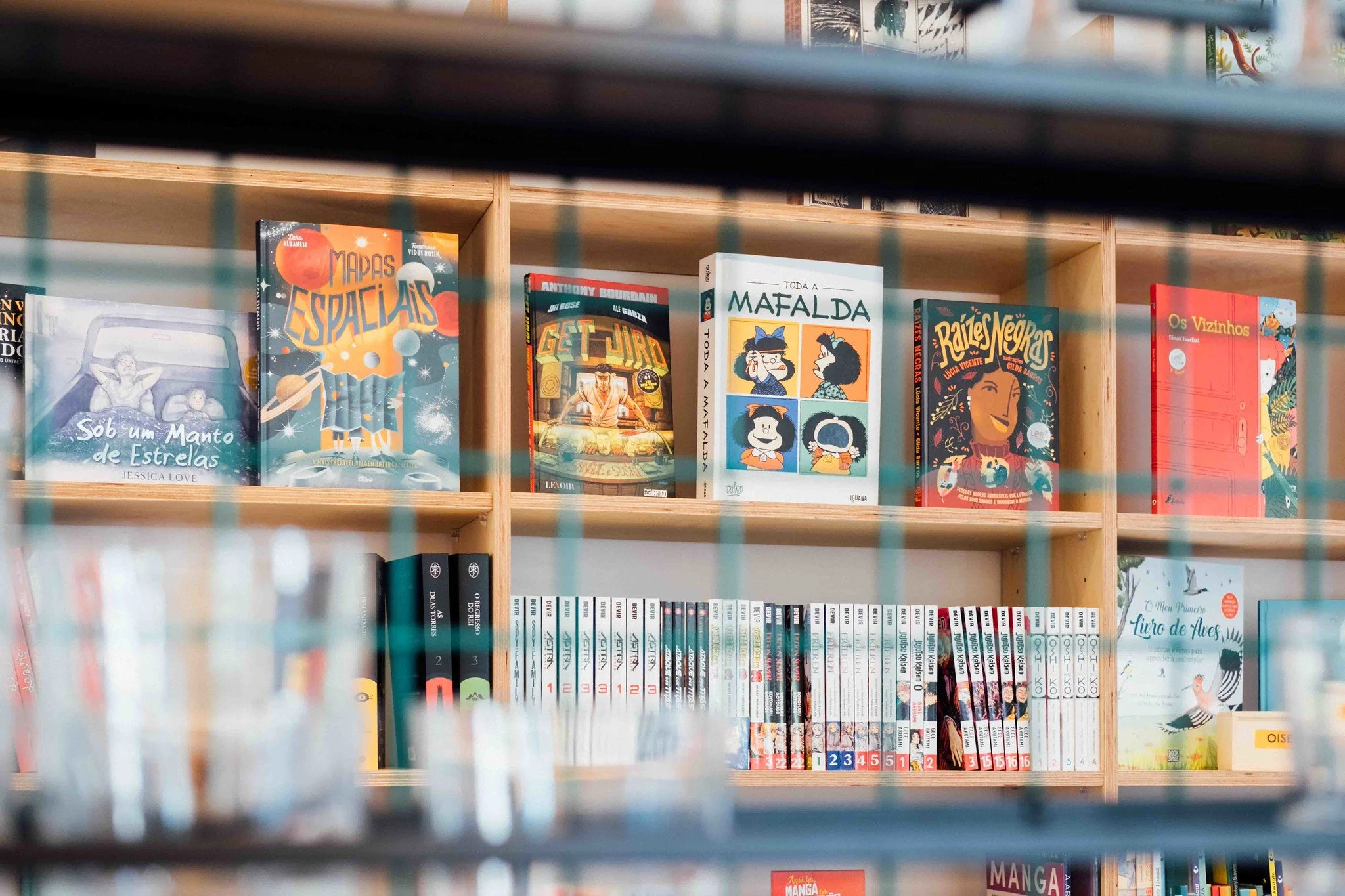
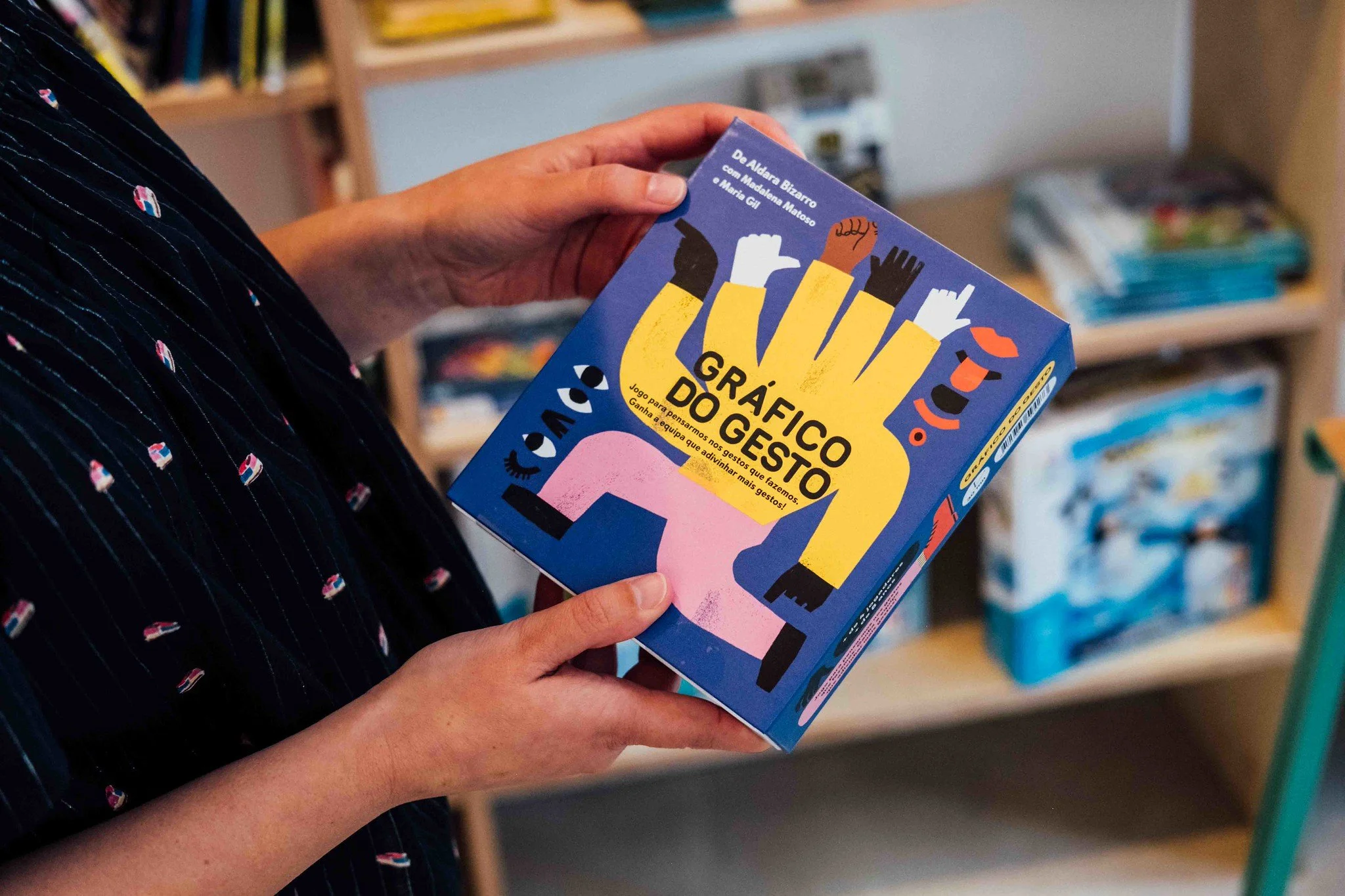
Diversifying also meant broadening the range: Zumbido has a healthy mix of books in Portuguese, English and even Spanish. Besides stocking illustrated books for toddlers and young children, the bookshop also offers graphic novels, manga, and comics to older readers. Joana also has a close partnership with Devir, a Portuguese publishing house that distributes translated manga and some of the most iconic board games and card decks.
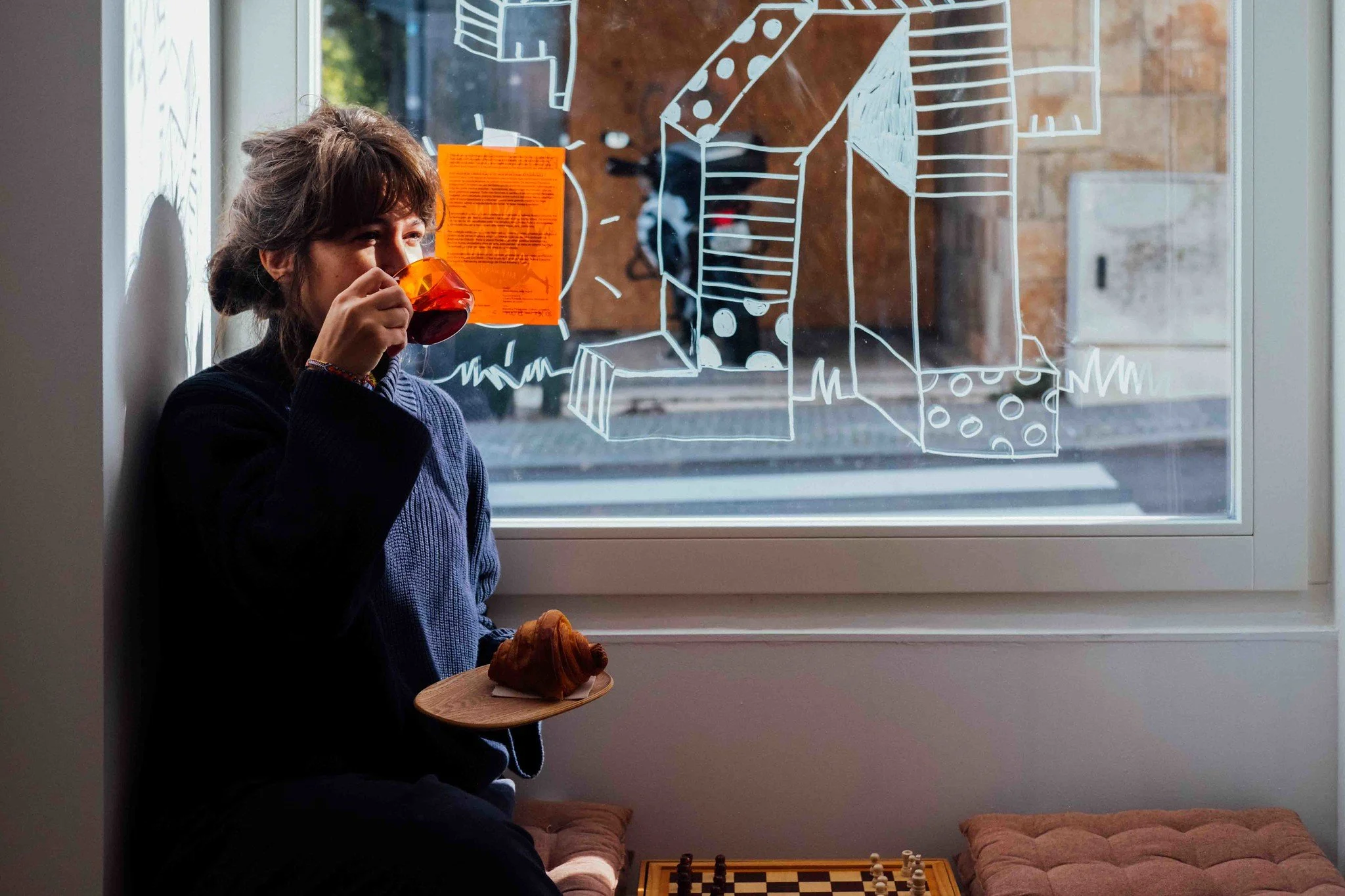
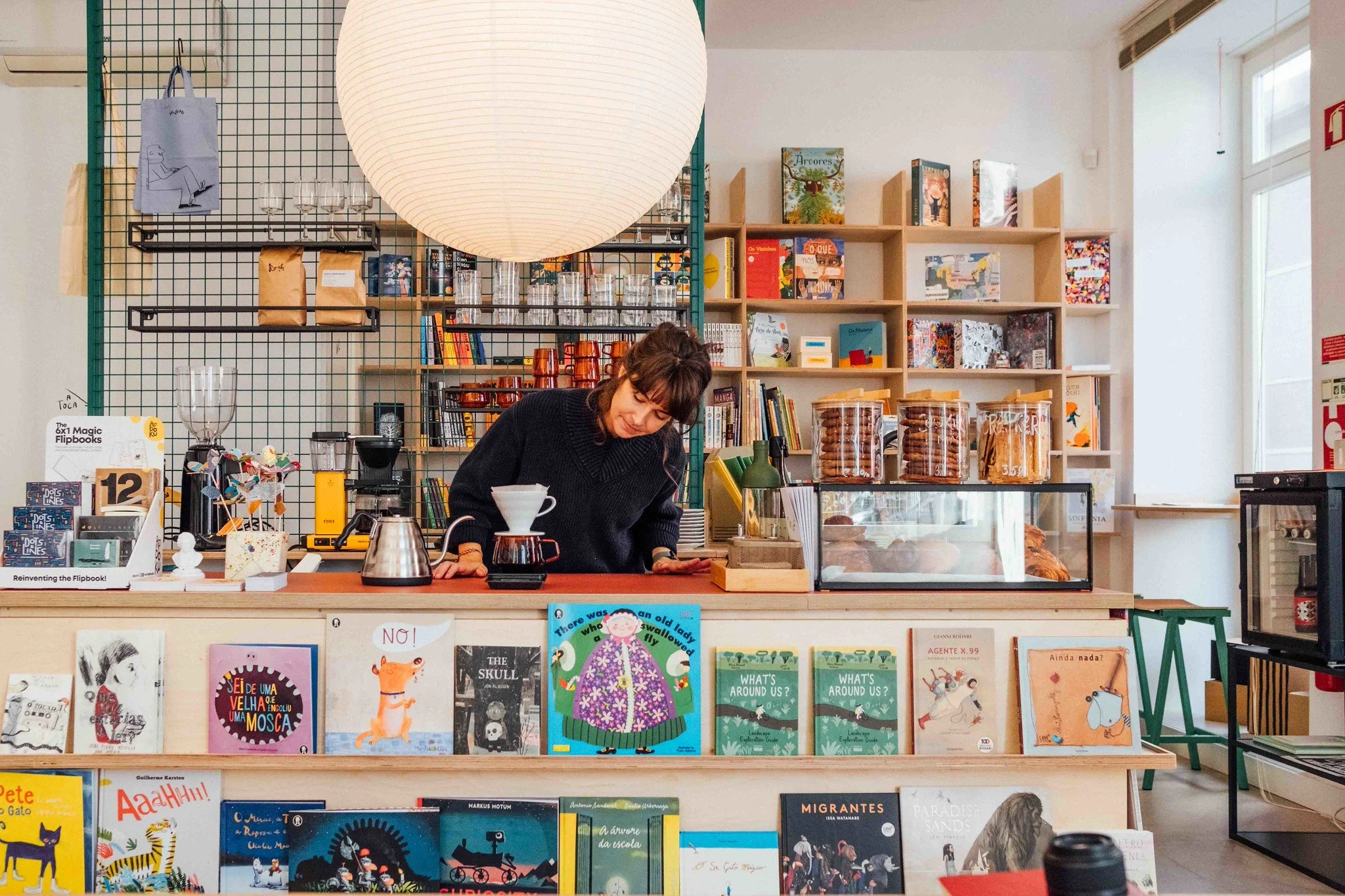
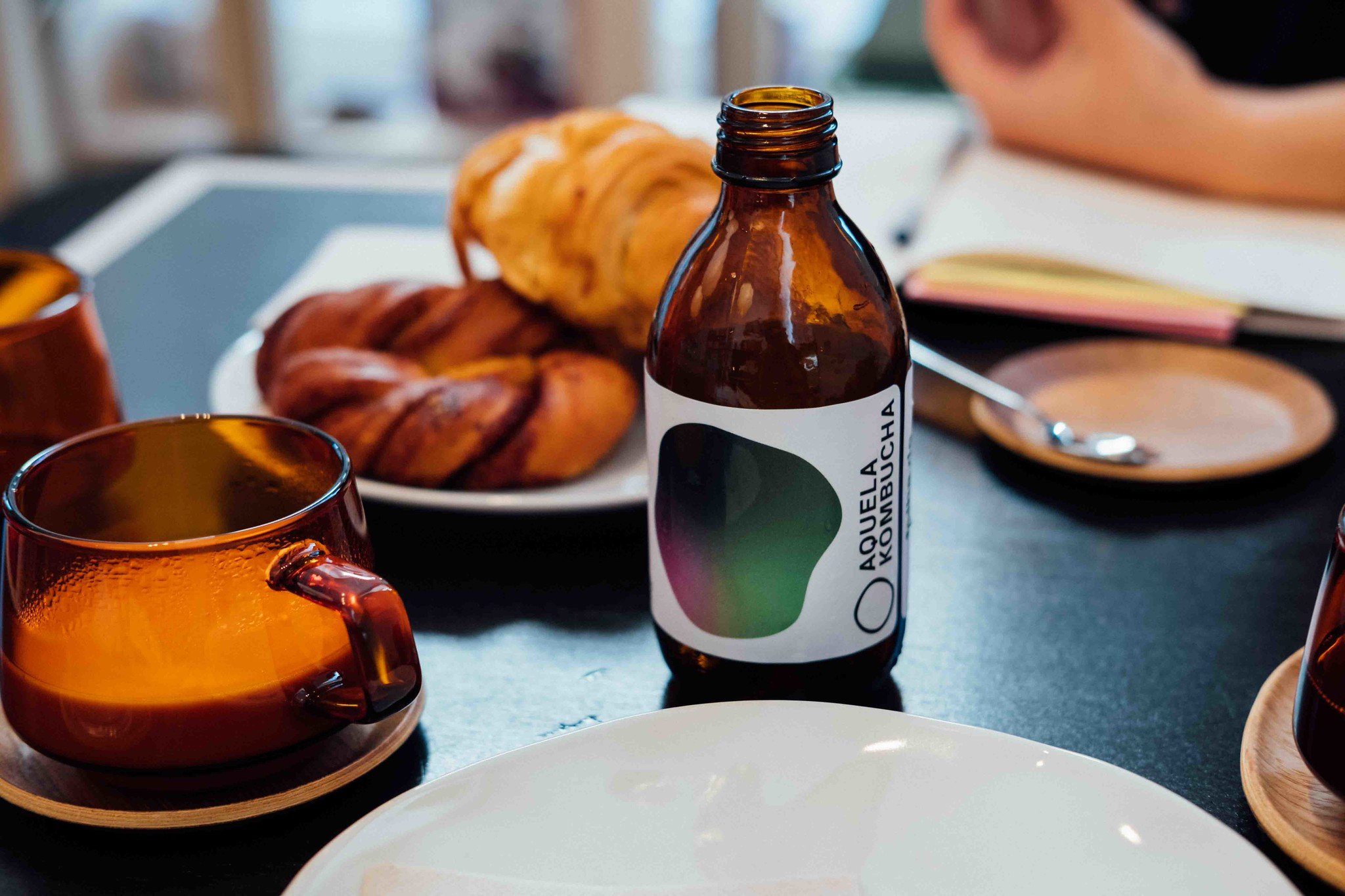
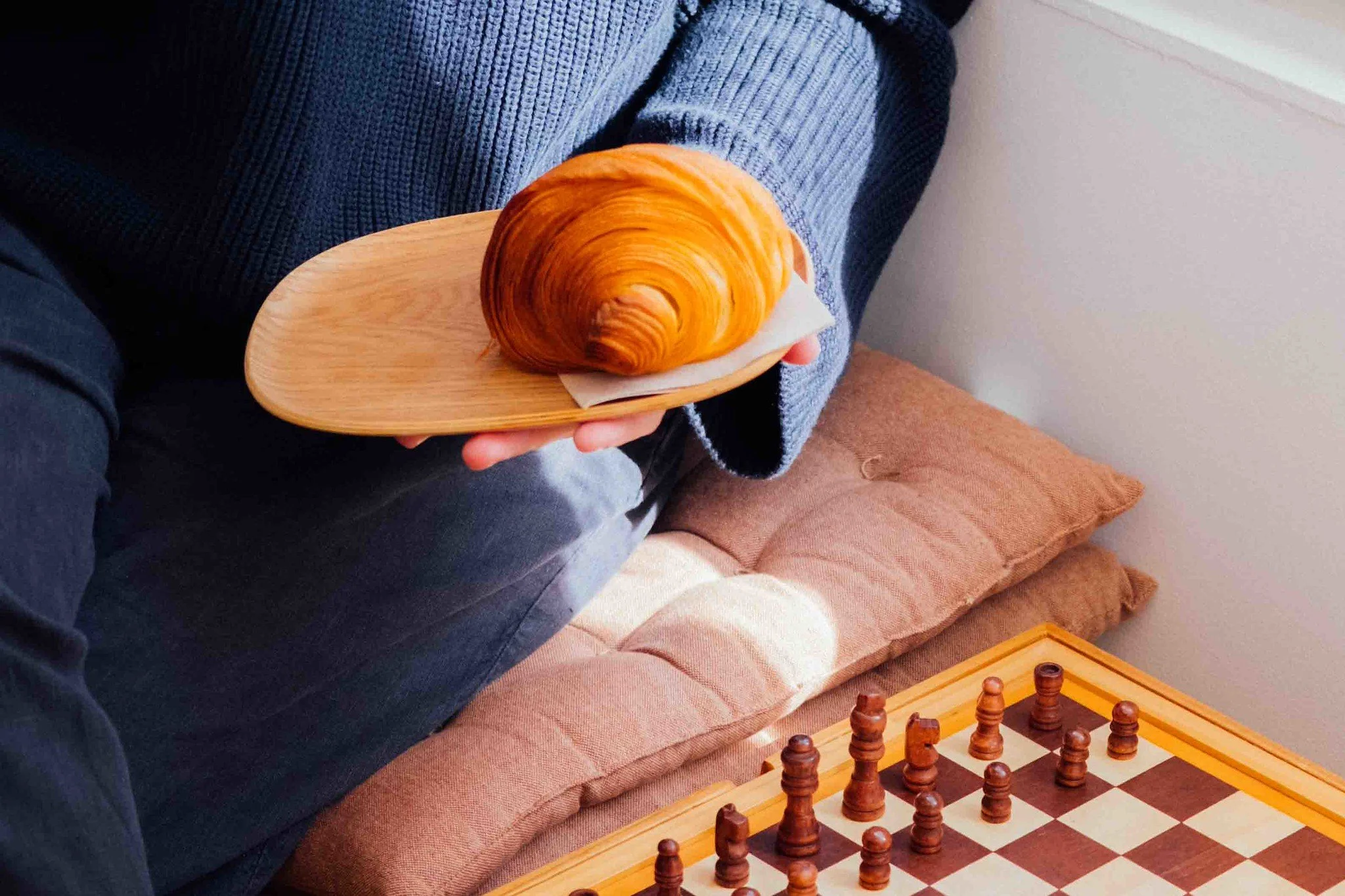
Third, to be a "third place". To be a community gathering point, the bookshop should offer more than readings and play: food and coffee, a key point of the business model, something to make customers come back frequently, and also a significant revenue stream.
The challenge was simple at this point: how to make a coffee shop work in a tiny space, without overshadowing the bookshop? And how to do it and keep low overheads, meaning, just one person most of the time?
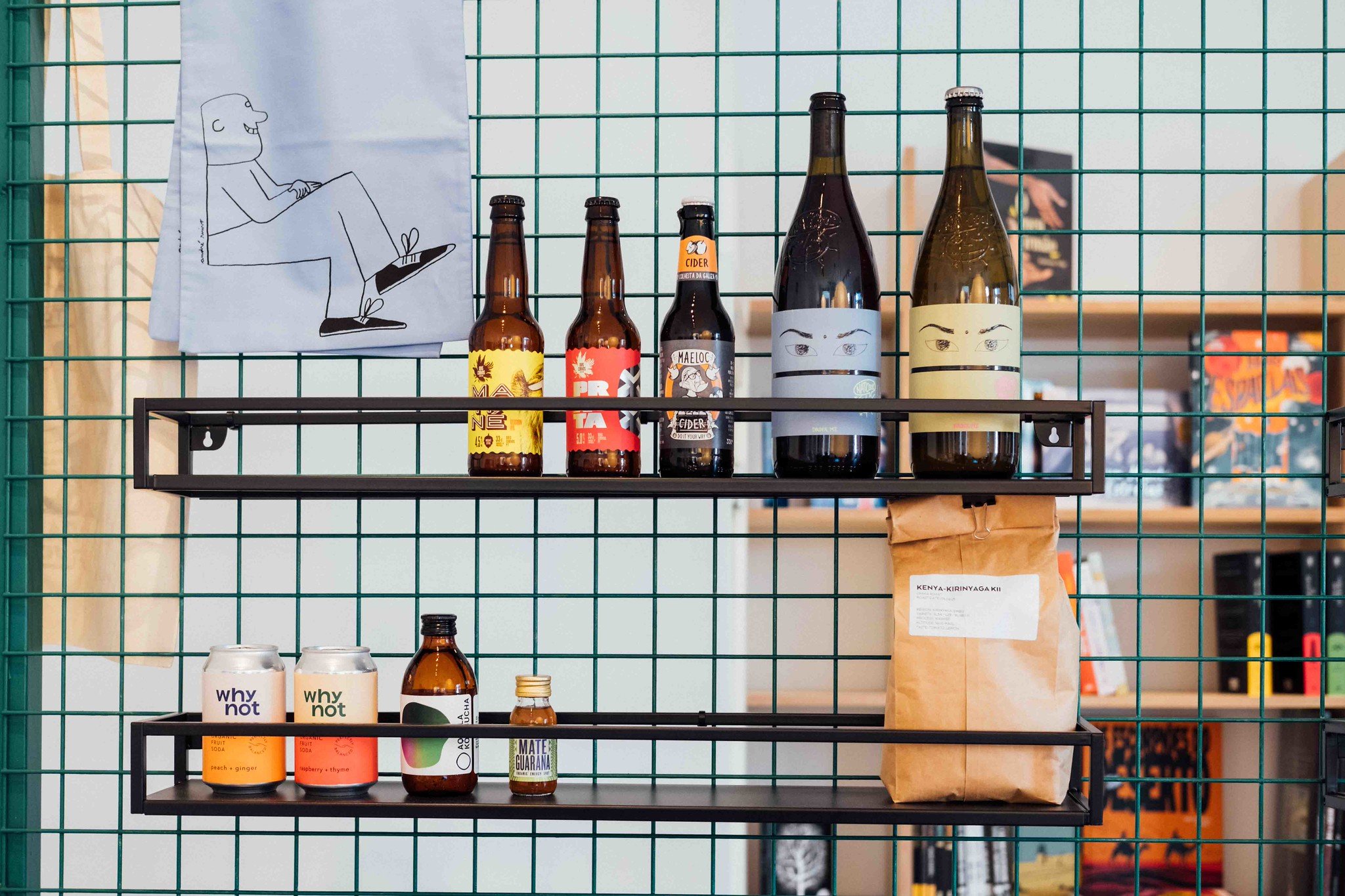
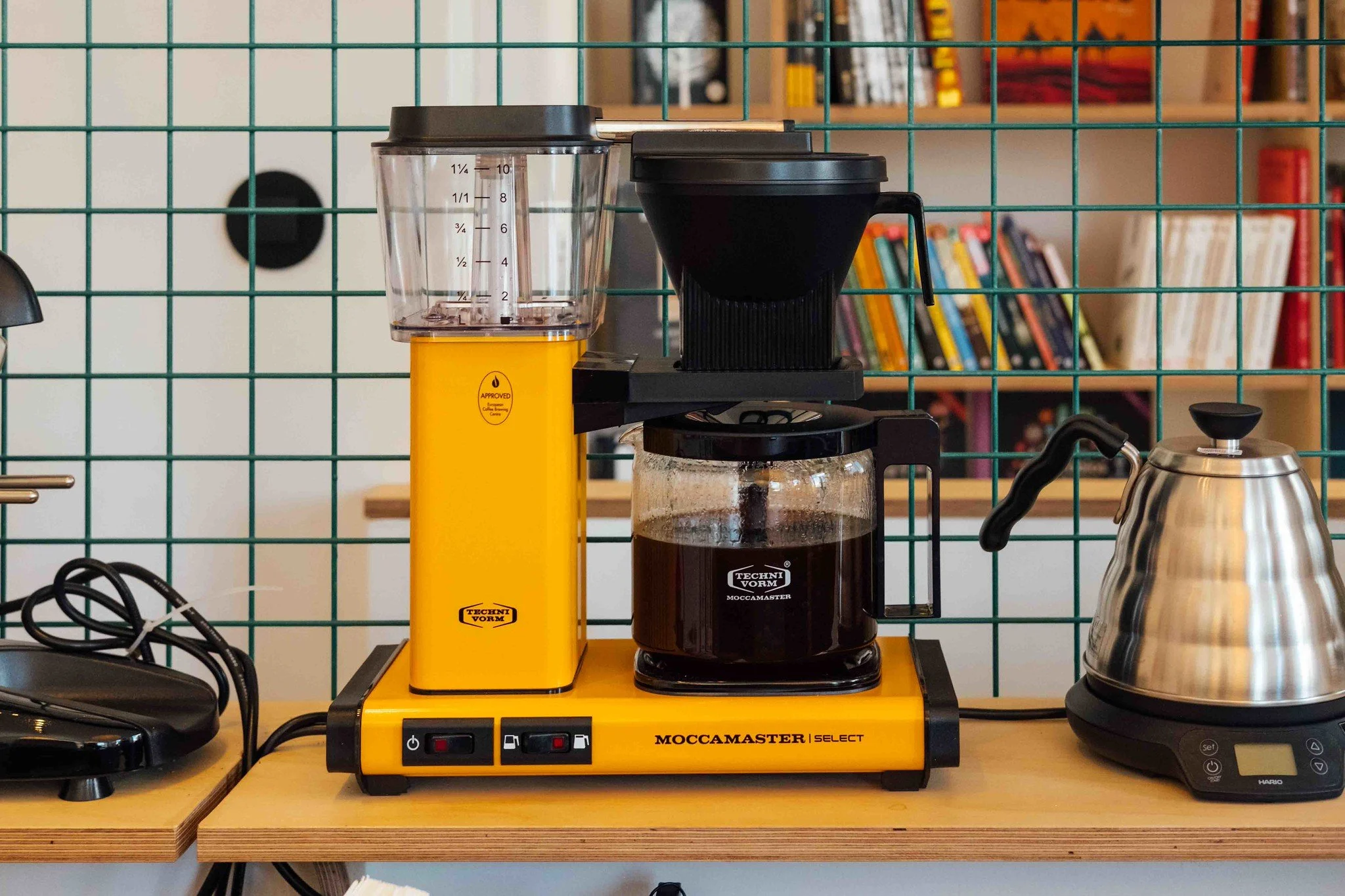
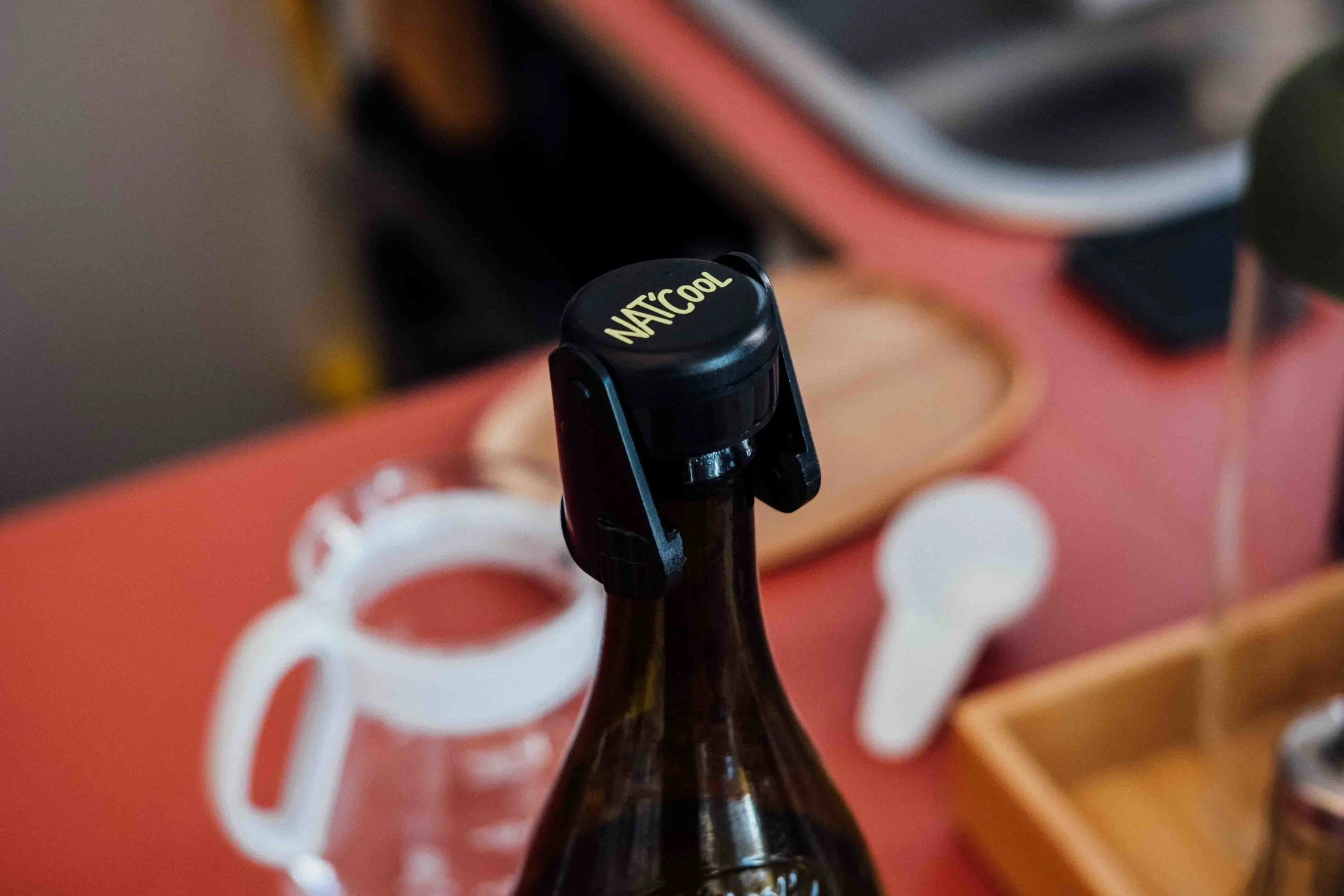
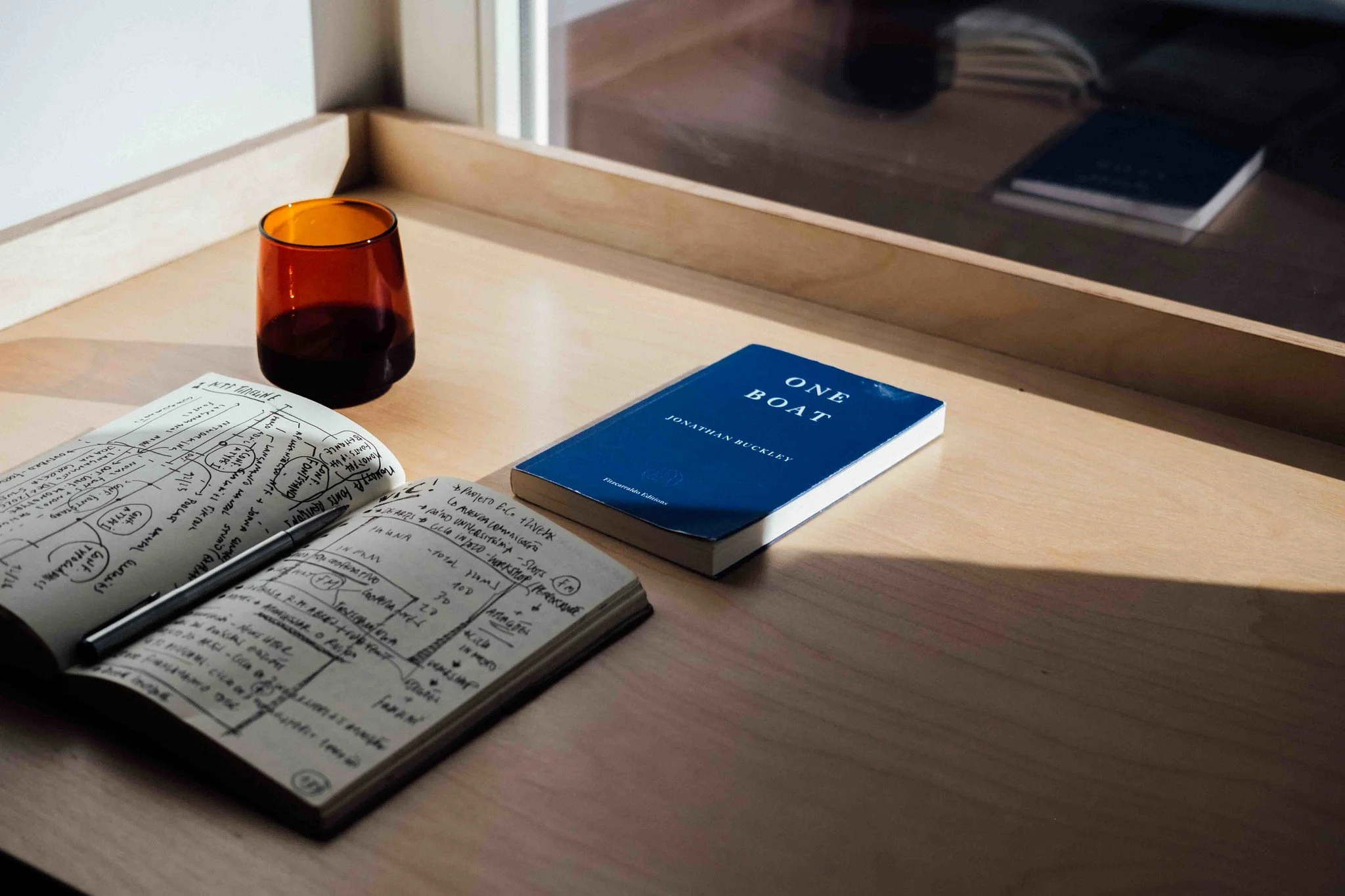
The answer was also straightforward: high-quality products, trustworthy partners, no preps. We mean specialty coffee from local roasters Combi (filter only, we considered an espresso machine, but the cost and training were overwhelming for the initial stage - it will happen later, though), including V60, Aeropress and Batch Brew for a more economical (and time-saving) option, pastries from our local favourite Bicho, alternative sodas, craft beer and natural wines for winding-down by the end of the day.
Our readers in Matosinhos will still remember our dear Manifesto, a place to read, learn and enjoy the first specialty coffee in town, and how it was a focal point for the local creative community.
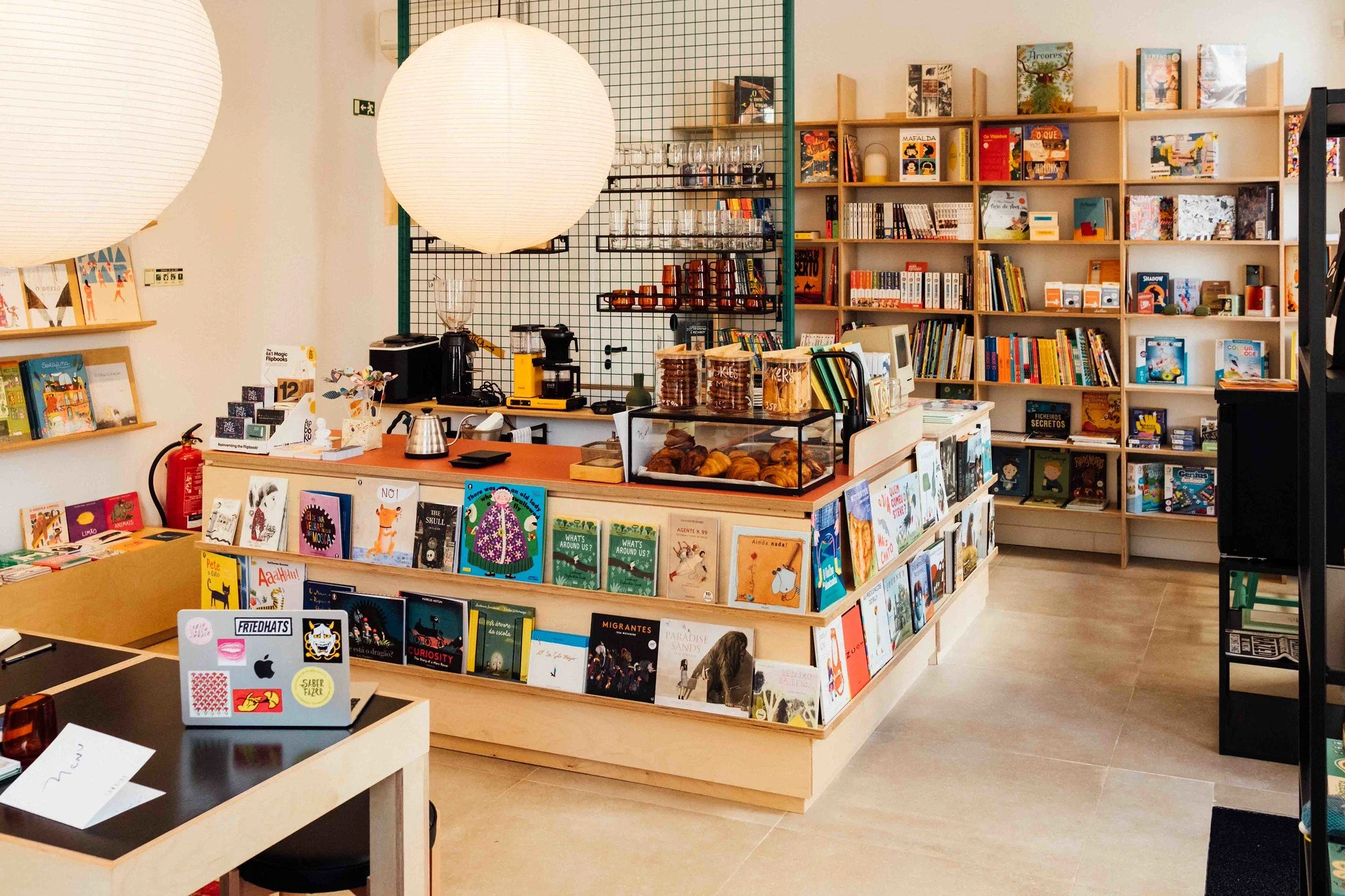
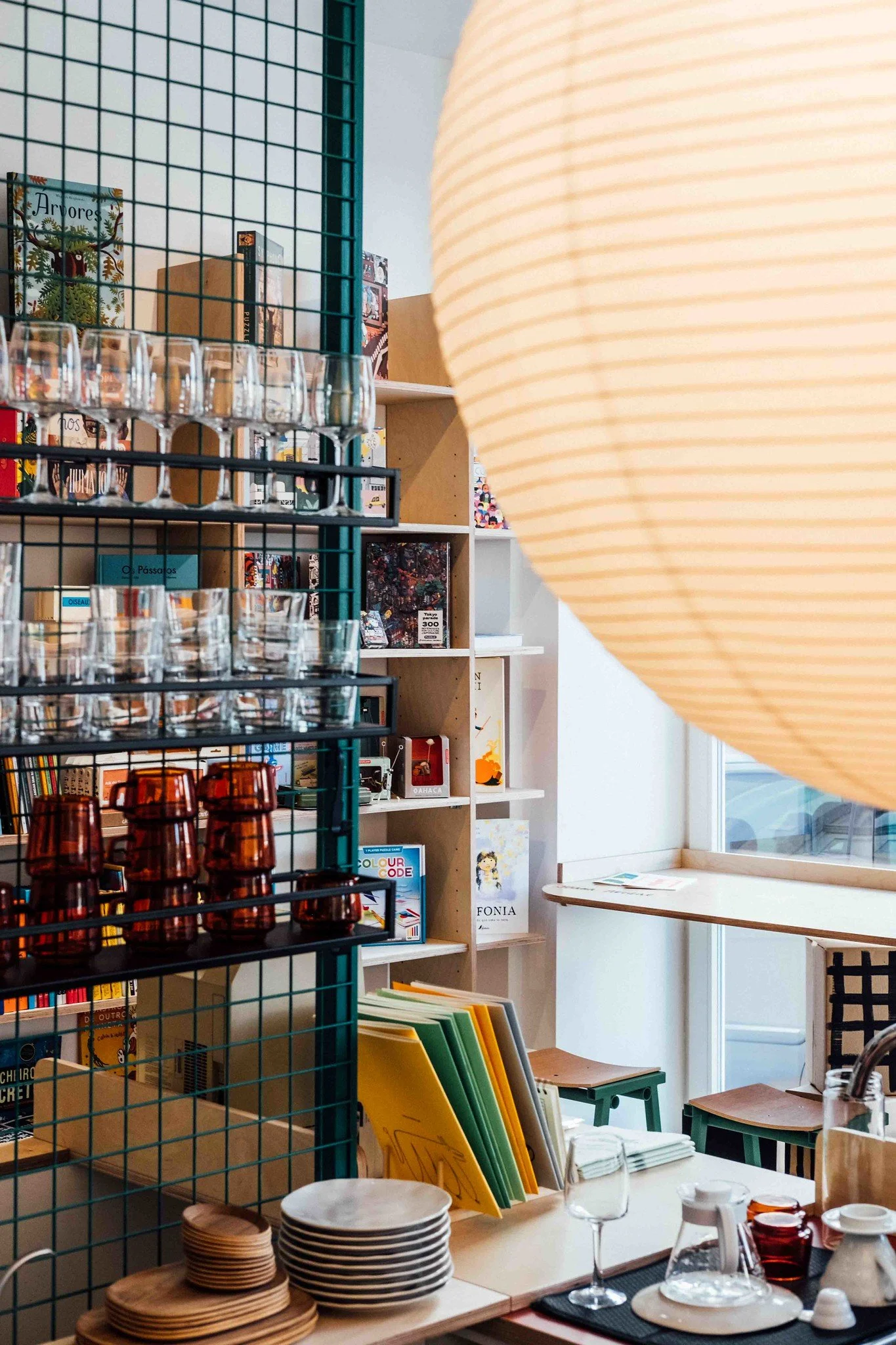
Low-cost solutions and finding the vibe for the space
After the customary initial optimism regarding finances and the necessary investment to secure the ideally located shop, we soon entered the "I don't think we have budget for this" phase, which meant more consideration when choosing furnishings and even what could be done to customise the space.
At this stage, our business strategy work was almost done, and it was time to hand the torch to the creative team at Ofício, our design studio. Which is also me, but now with the support of Helena and Cris. You can read the complete Zumbido design case study here.
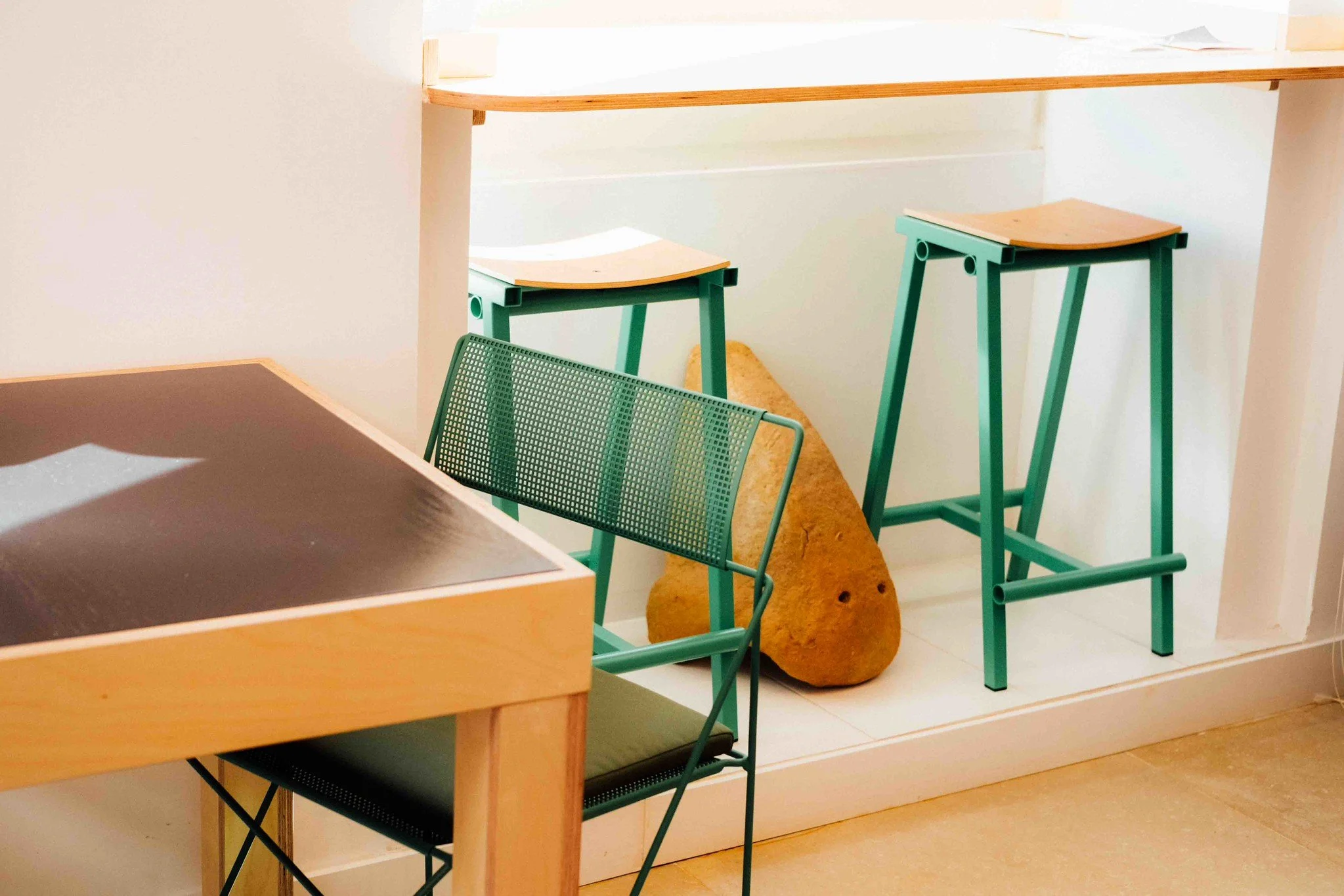
The premise was that the visual identity should reflect the defined value proposition and brand foundation as "an intergenerational place to learn and stay". It should also get inspiration from the location and the very particular light of this corner in Matosinhos. Following the cornershop deli vibe defined by Ofício, we then helped Joana with interior design decisions, from furniture and colours to layouts and technical requirements. A little bit off the usual strategic business consultancy wereabouts, but quite normal in our practice.
At this point, we are in a different stage of our collaboration, offering on-the-go mentoring and strategic support, with a greater focus on branding and communication, while also balancing all services and shop offerings to prioritise an excellent service, a diverse offering catering to multiple target groups, risk reduction, and healthy finances.
Now it's Christmas. Time to go shopping!