Words: Cristiana Braz Photos: Miguel Barbot, José Guilherme Marques , Cristiana Braz
In 2021 we started working with Joana Correia, founder of Nova Type Foundry, on the challenge of communicating a highly specialised field: type design. What began with social media strategy and content development quickly grew into a long-term collaboration across different areas of communication, from research and copywriting to editorial projects, visual identities and printed materials. Over the years, we have worked together to find new ways of sharing the knowledge, process and details behind each of the foundry’s typefaces, creating tools like the Type Glossary and the Nova Type Foundry Quiz, developing visuals for platforms such as MyFonts, and supporting the foundry’s presence online and across events, publications and digital channels.
Typography has always been a subject close to our work at Ofício. The details behind letters (like kerning, alternate glyphs, punctuation, alignment, baseline grids and optical sizes) are the kind of things that fascinate us as designers. So when Joana Correia, founder of Nova Type Foundry, asked us to help shape the foundry’s communication, it felt like a natural meeting point: bringing together our experience in design and communication strategy with a field we already genuinely appreciated.
Since 2021, we have been working alongside Nova Type Foundry providing graphic design, social media managing and consultancy services, helping shape how the foundry communicates its work and connects with its audience, developing visual communication assets, defining the tone of voice, creating content strategies, and finding new ways to translate the complexity of type design into accessible stories.
What started with the development of a social media strategy and visual language gradually evolved into a bigger collaboration, involving editorial projects, educational content, interviews, type showcases, event materials, and brand development. Over the years, our role has always been to find the balance between the two sides of respecting the technical depth and craft behind type design while creating communication that feels engaging and relevant for the wider design community.
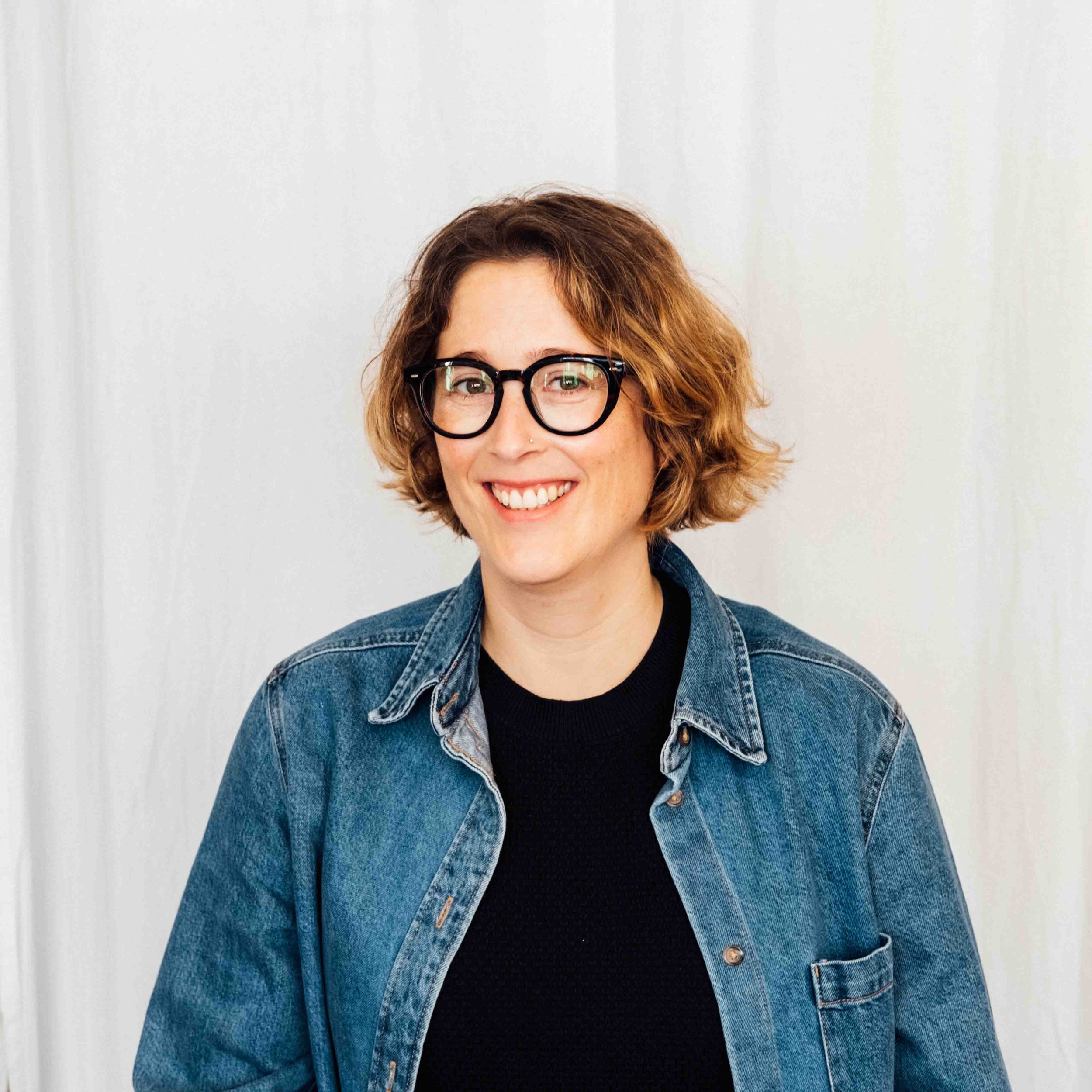
Joana Correia, founder of Nova Type Foundry, photographed by Miguel Barbot at Estúdio Ofício.
When we first started working with Nova Type Foundry, the challenge was not only creating interesting visuals for social media, but also understanding how to communicate a highly specialised craft to a wider (mainly online) audience.
Type design is a field filled with technical knowledge, historical references and very specific terminology. Our role was to help organise that knowledge into a communication system. Together with Joana, we worked on defining the foundry’s tone of voice, content approach and visual direction, creating a more consistent communication system across its platforms. This meant thinking about content planning, recurring formats, campaigns and communication moments throughout the year, as well as adapting the tone and approach depending on the project or audience we wanted to reach.
A big part of this process happens behind the scenes with organising ideas, writing and editing copy, planning posts and stories, discussing priorities with Joana and finding the best way to present each piece of work. The visual output is only one part of the process, and understanding what needs to be communicated and why is what gives each piece a purpose.
Although back in 2021 social media was not traditionally at the core of Ofício’s practice, this project became an opportunity to explore another side of design and thinking strategically about how a brand speaks, what it shares, and how it builds relationships with its audience, bringing together many areas we value as designers, like research, strategy, writing, art direction and of course graphic design.



Some social media visuals our team created back in 2021/2022.
So after a few years at the helm of Nova Type Foundry’s social media platforms, designing visuals, writing captions and content, publishing and managing posts and calendars, one of the first “parallel” projects that grew from this collaboration was the Nova Type Foundry Type Glossary.
Created in 2022 and expanded in 2023 with its second edition, the glossary brought together a series of posts exploring typography terminology, from type classifications and glyph anatomy to legibility rules, design features, technical terms and drawing principles. This project challenged us in a new way because it meant putting on different hats and juggling many kinds of information. We had to research, consolidate and translate specialised language into content that could be understood by the general public and by designers with different levels of experience. It was also an opportunity to put our own typographic knowledge to the test. As a studio, we have always valued the ability to move between different areas of design: we are designers, but also researchers, copywriters, editors and production managers.
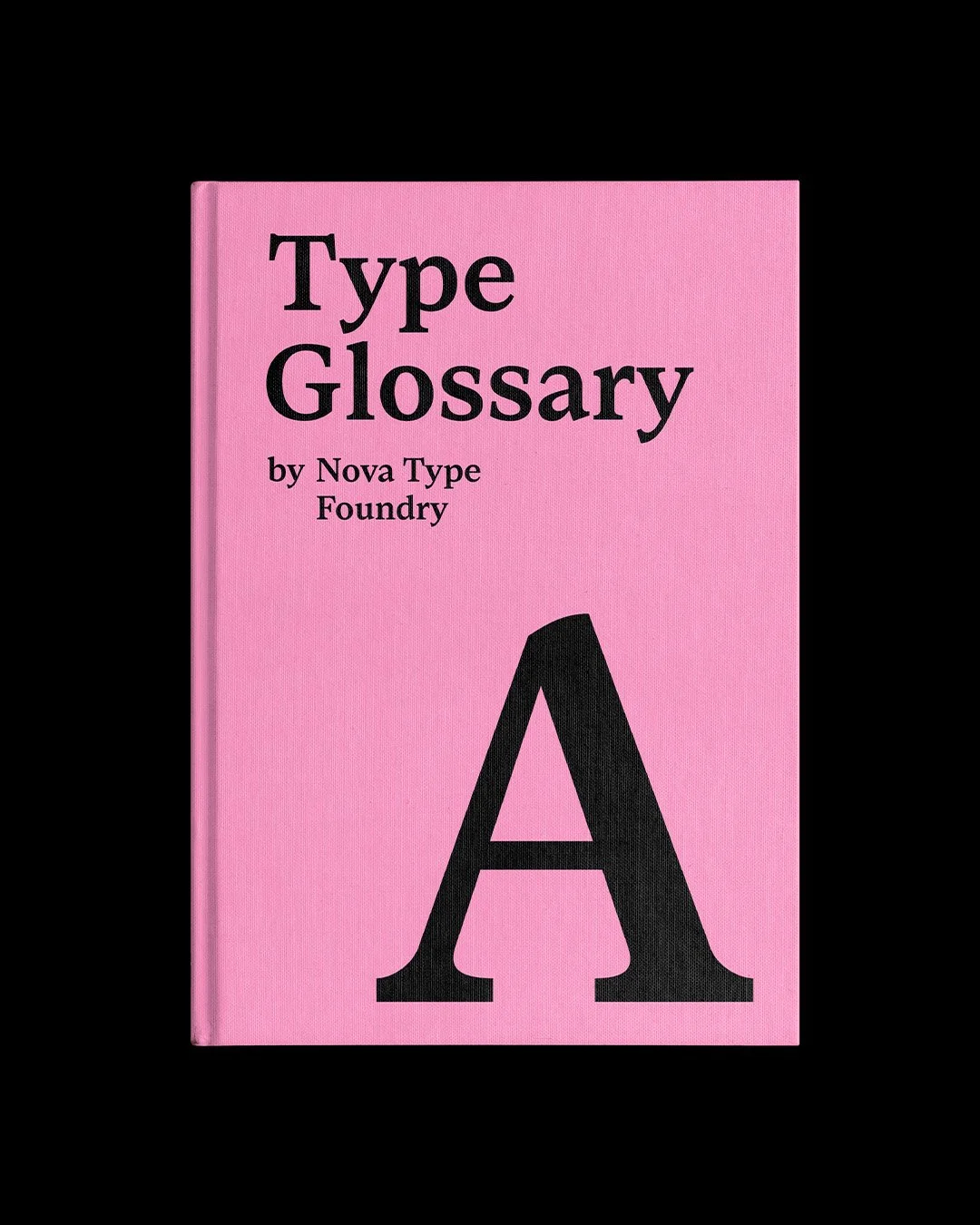
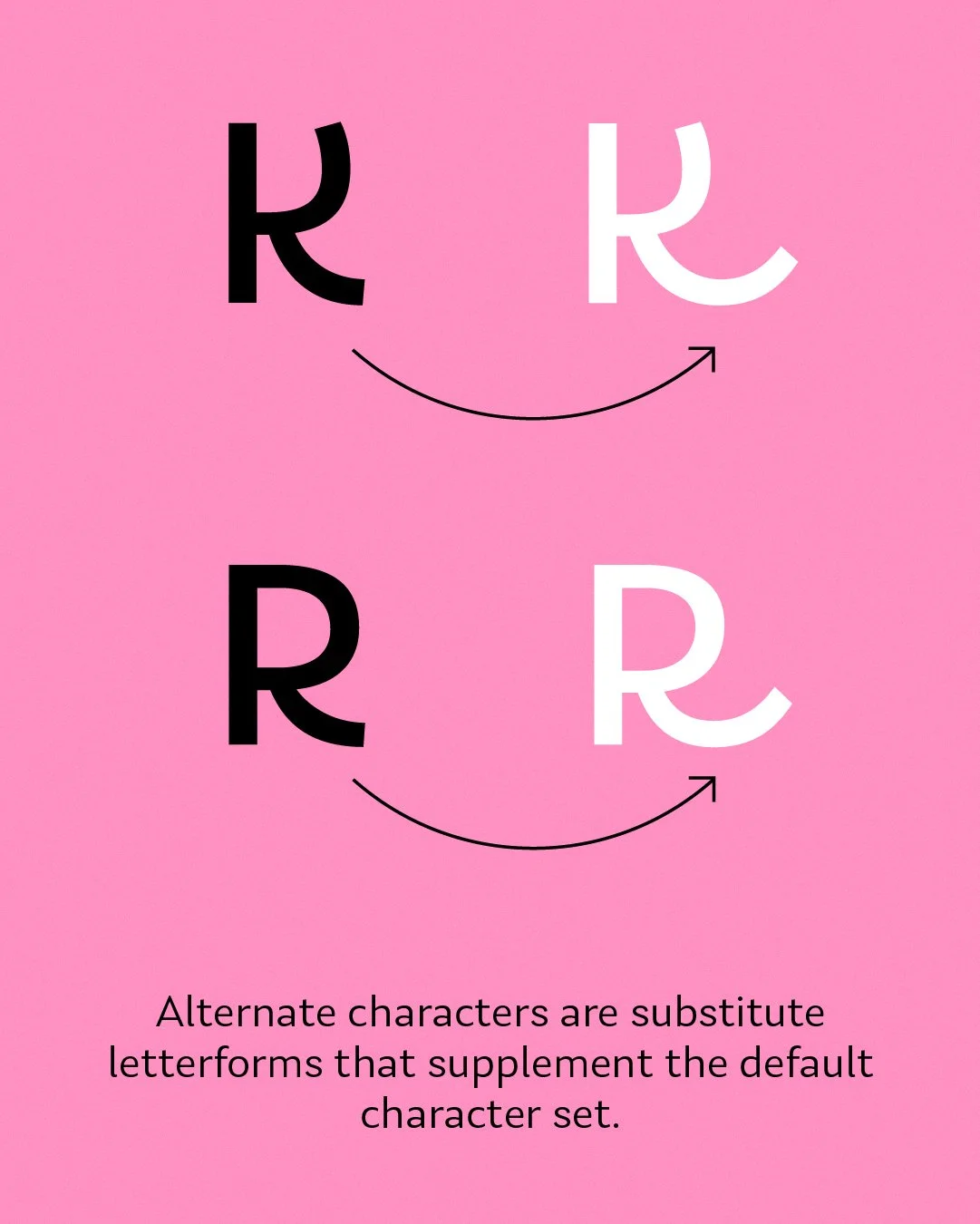
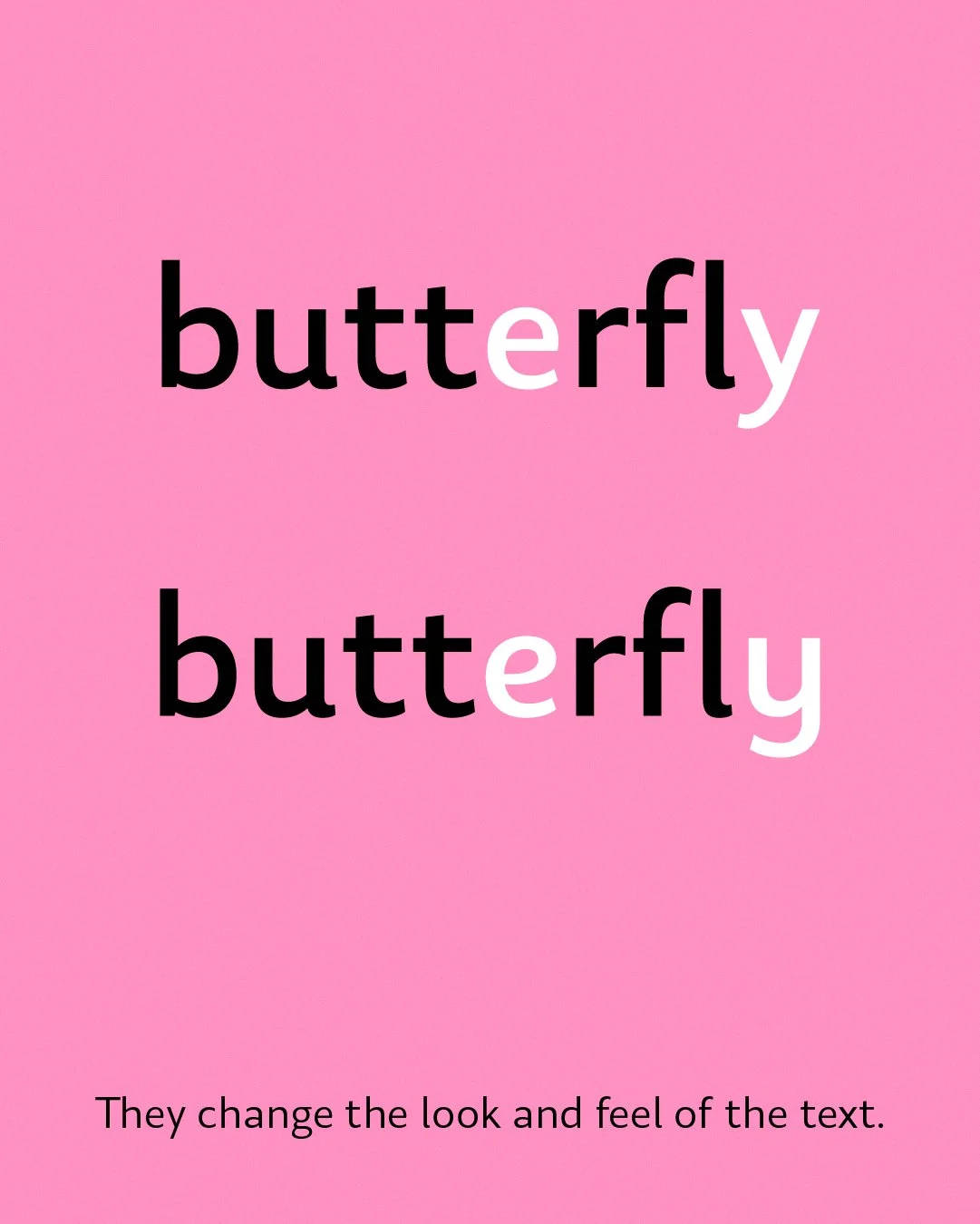
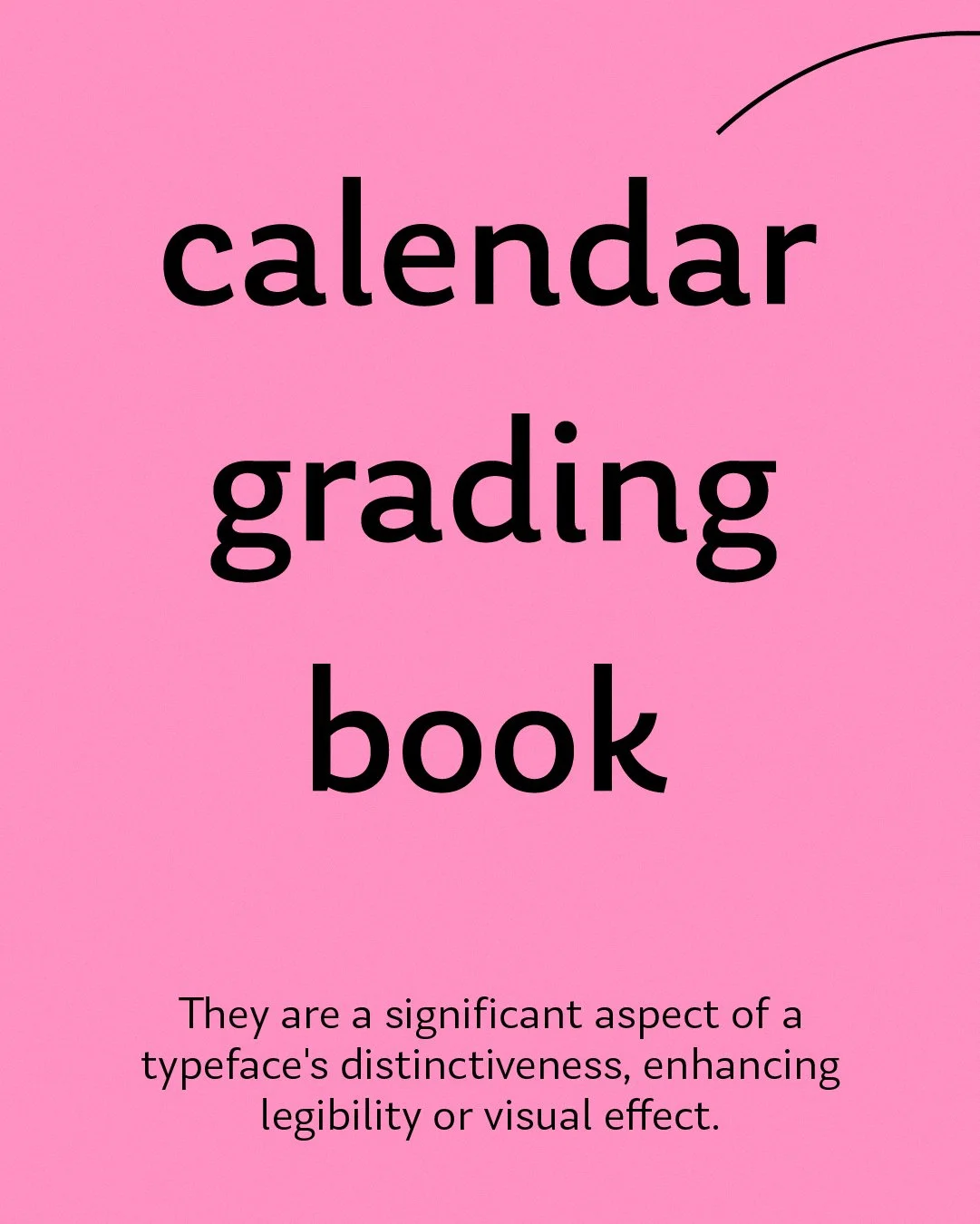
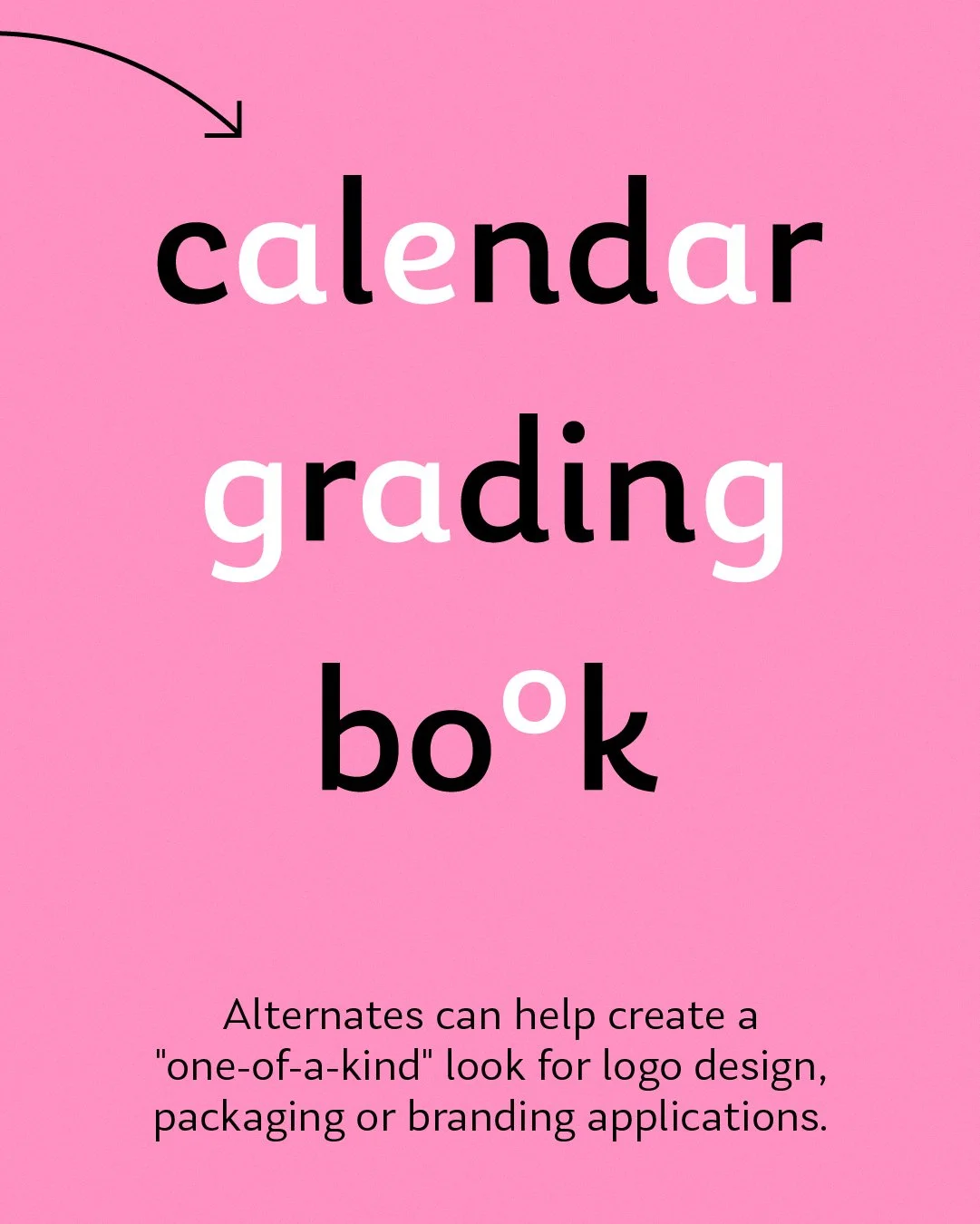
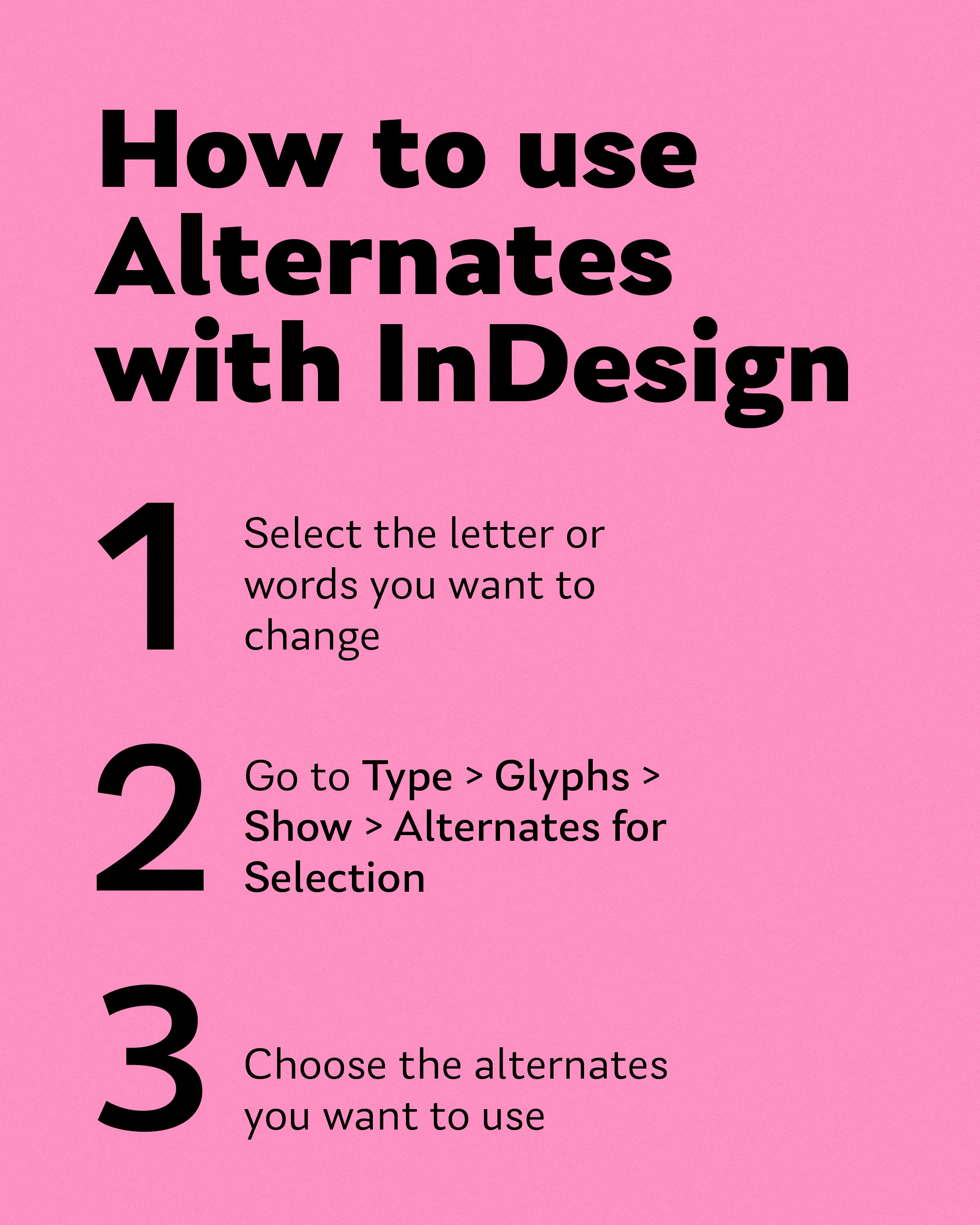
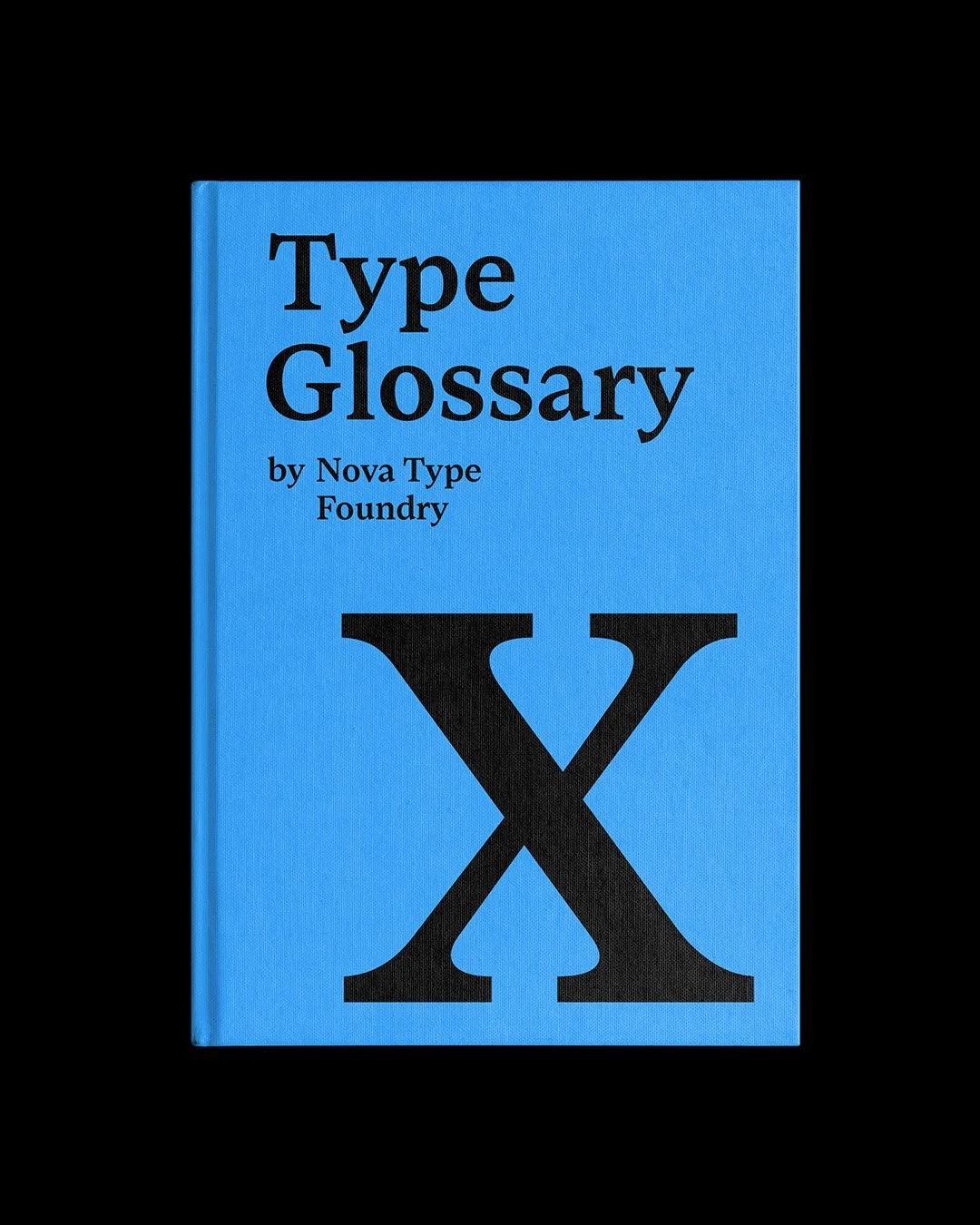
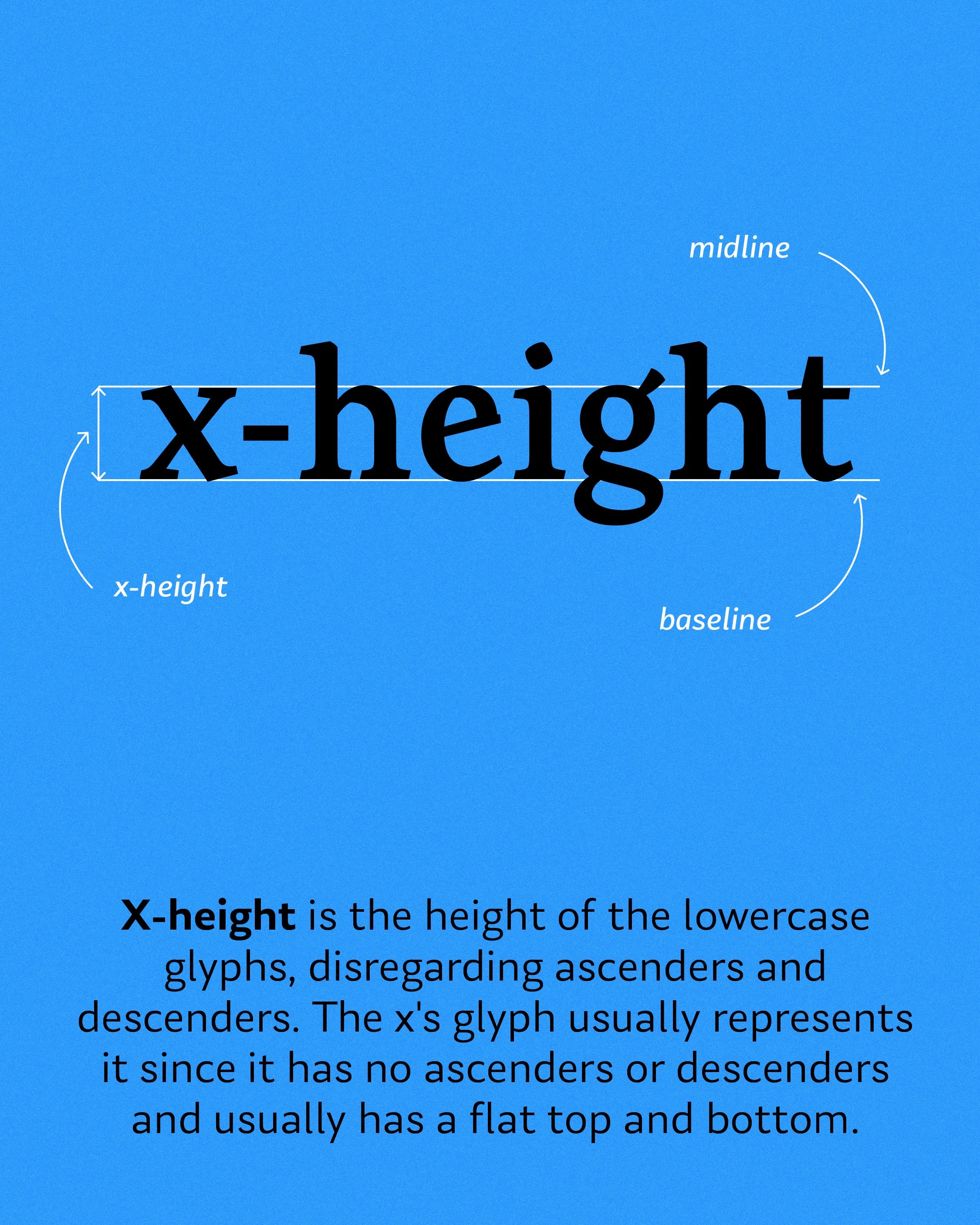
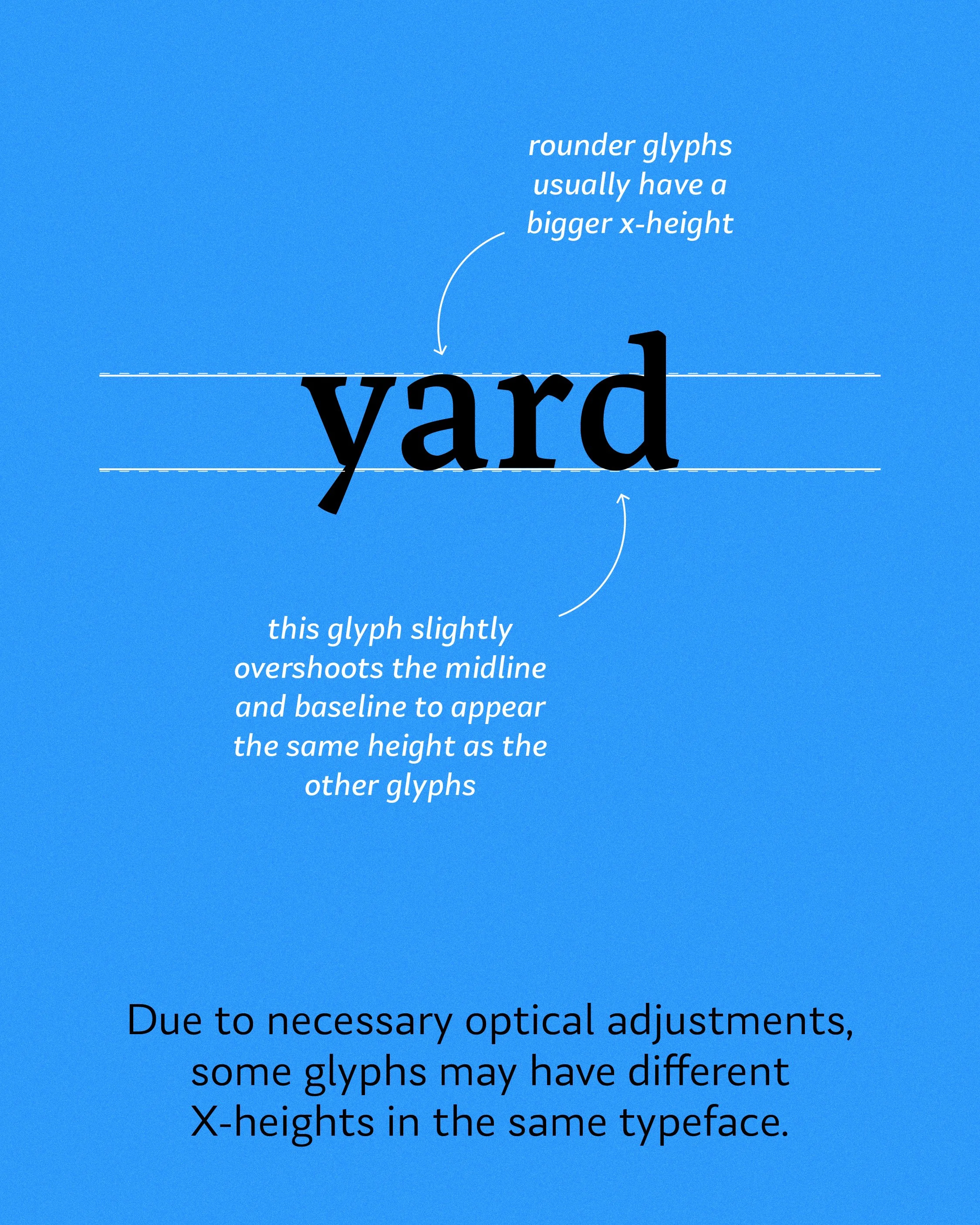
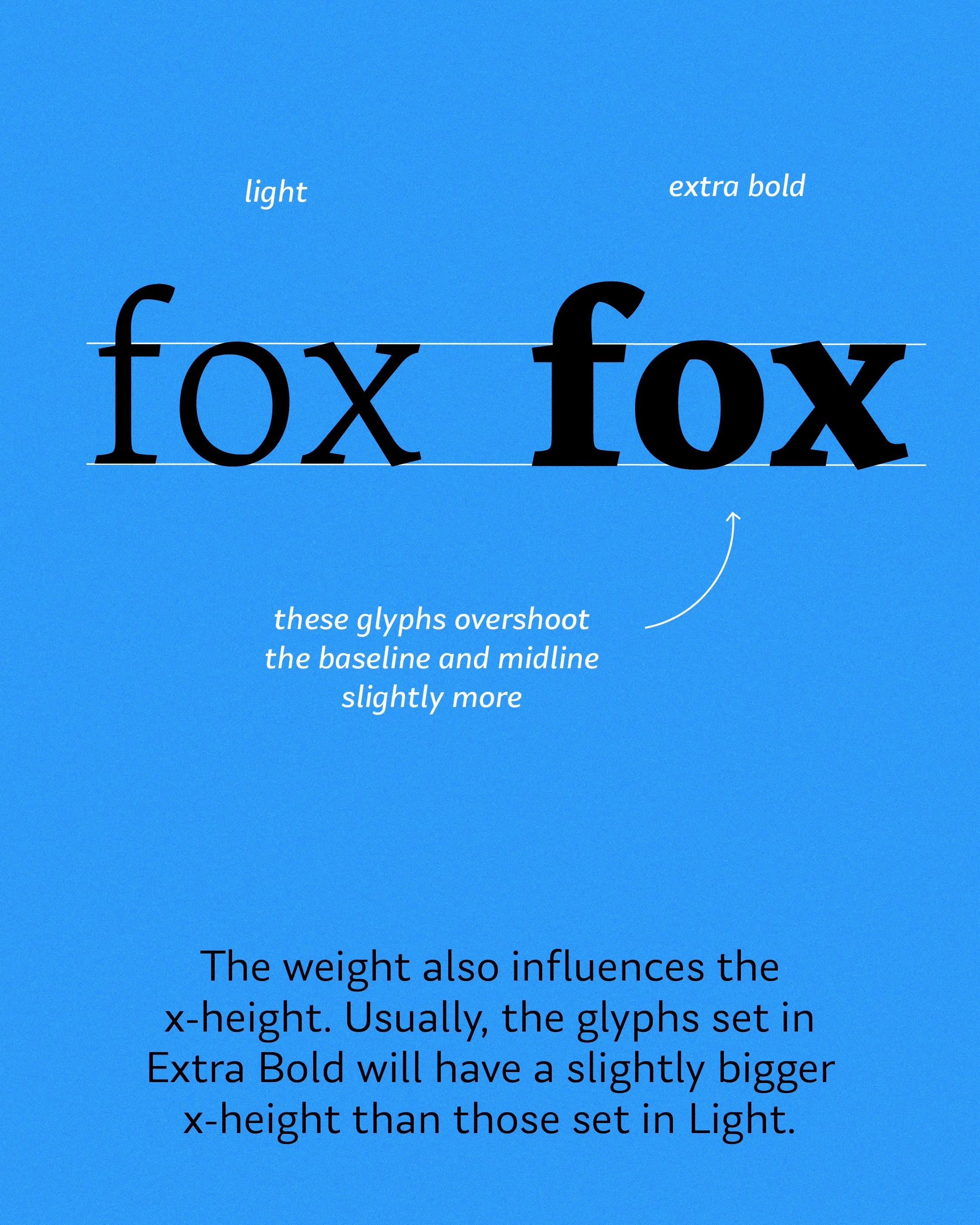
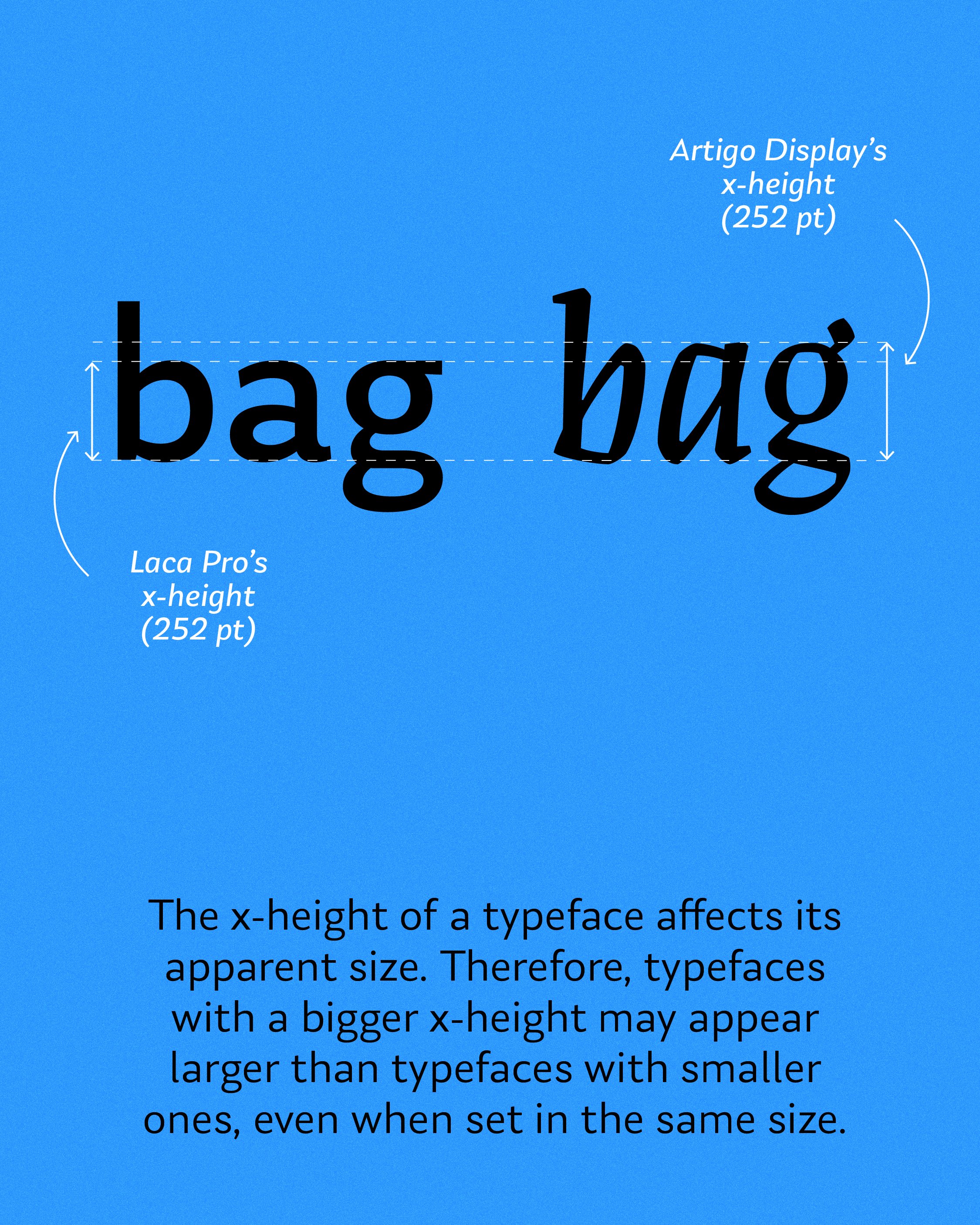
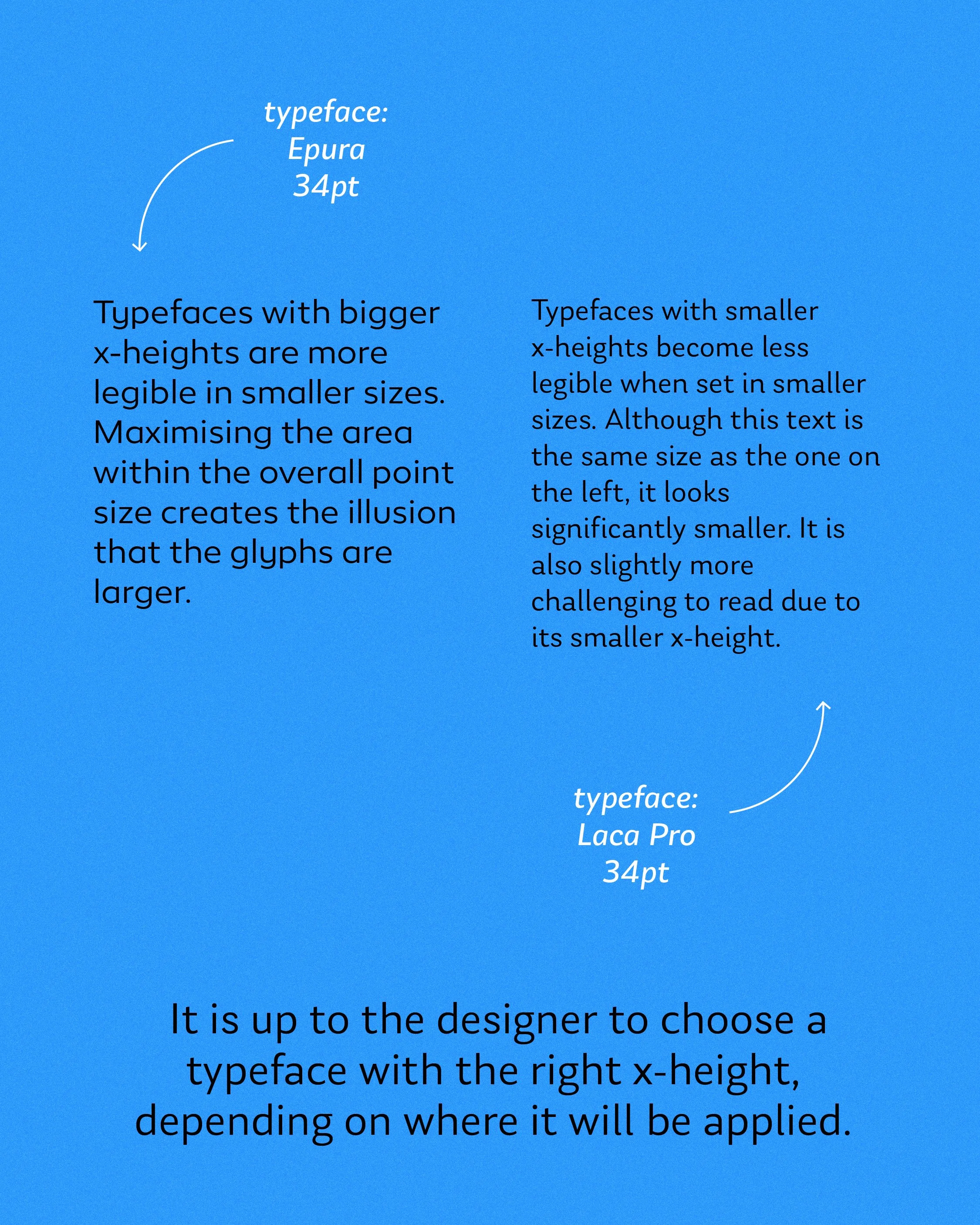
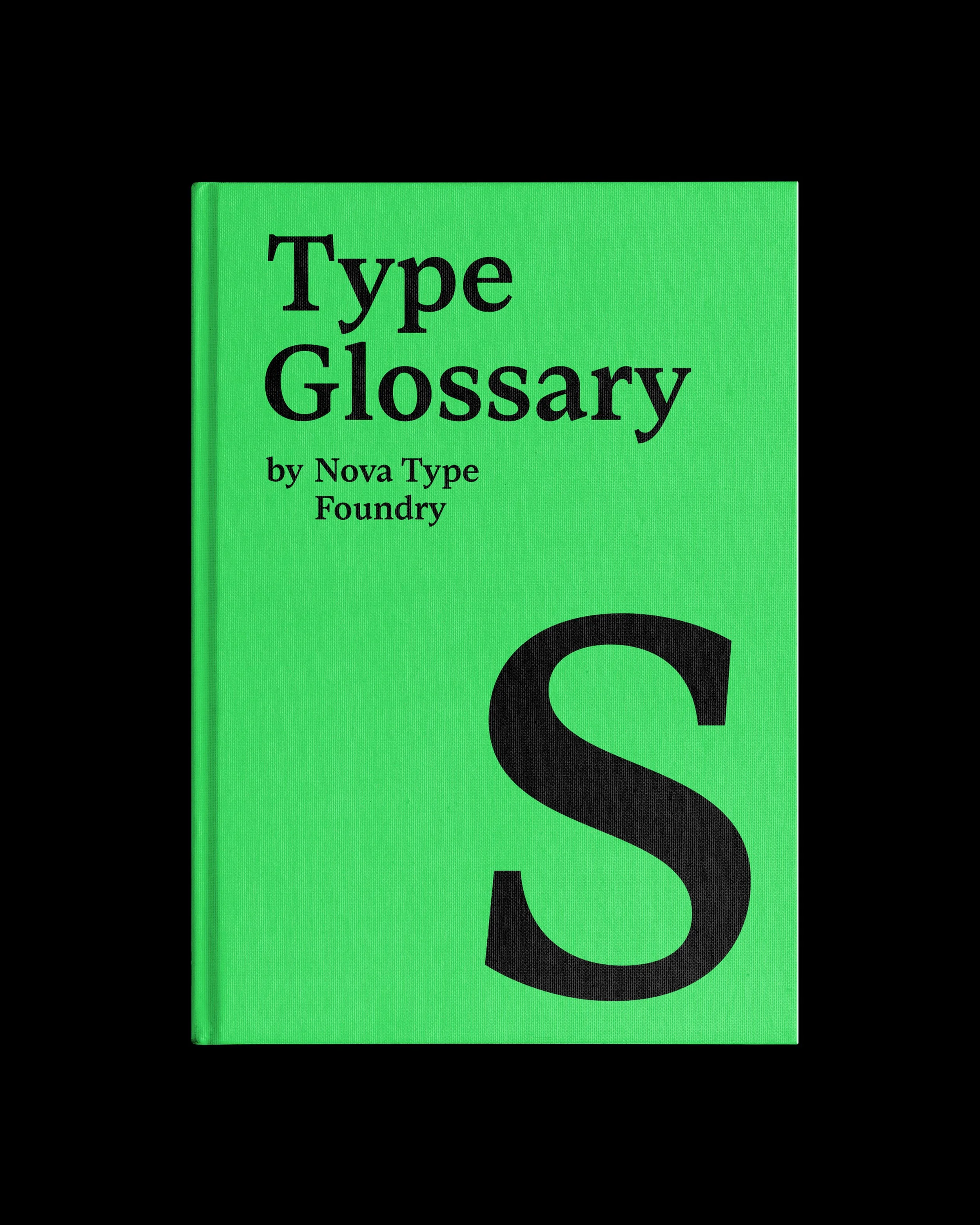
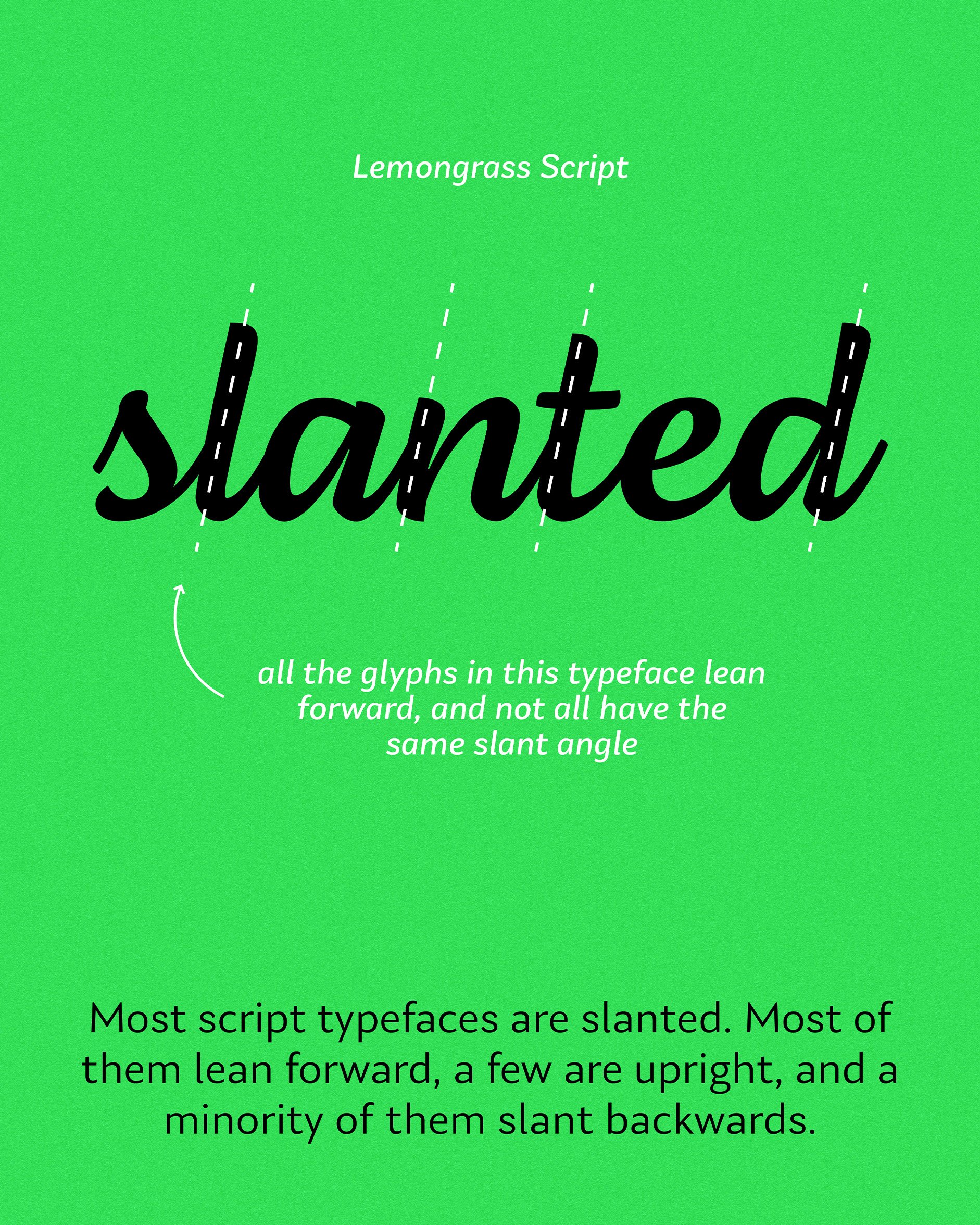
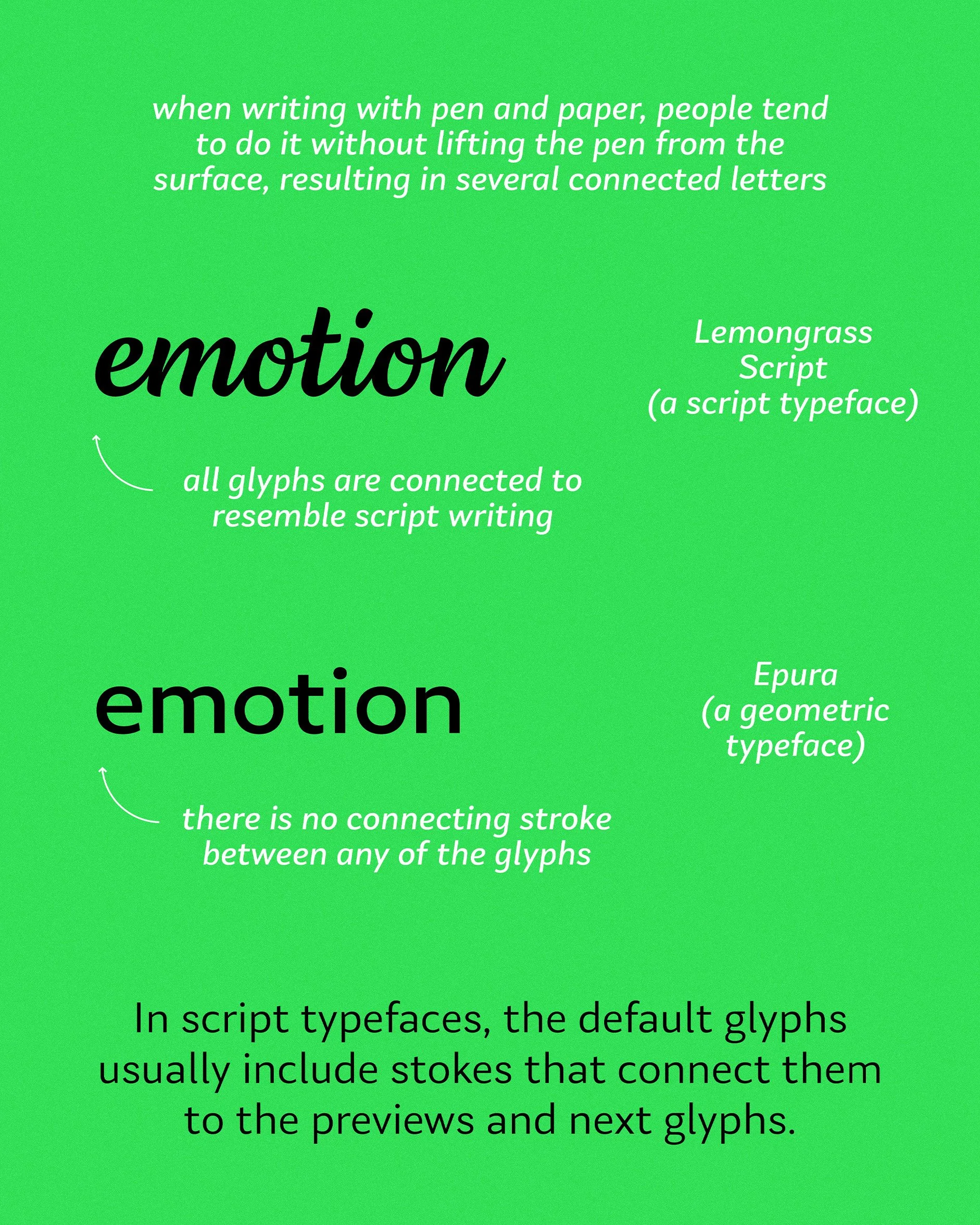
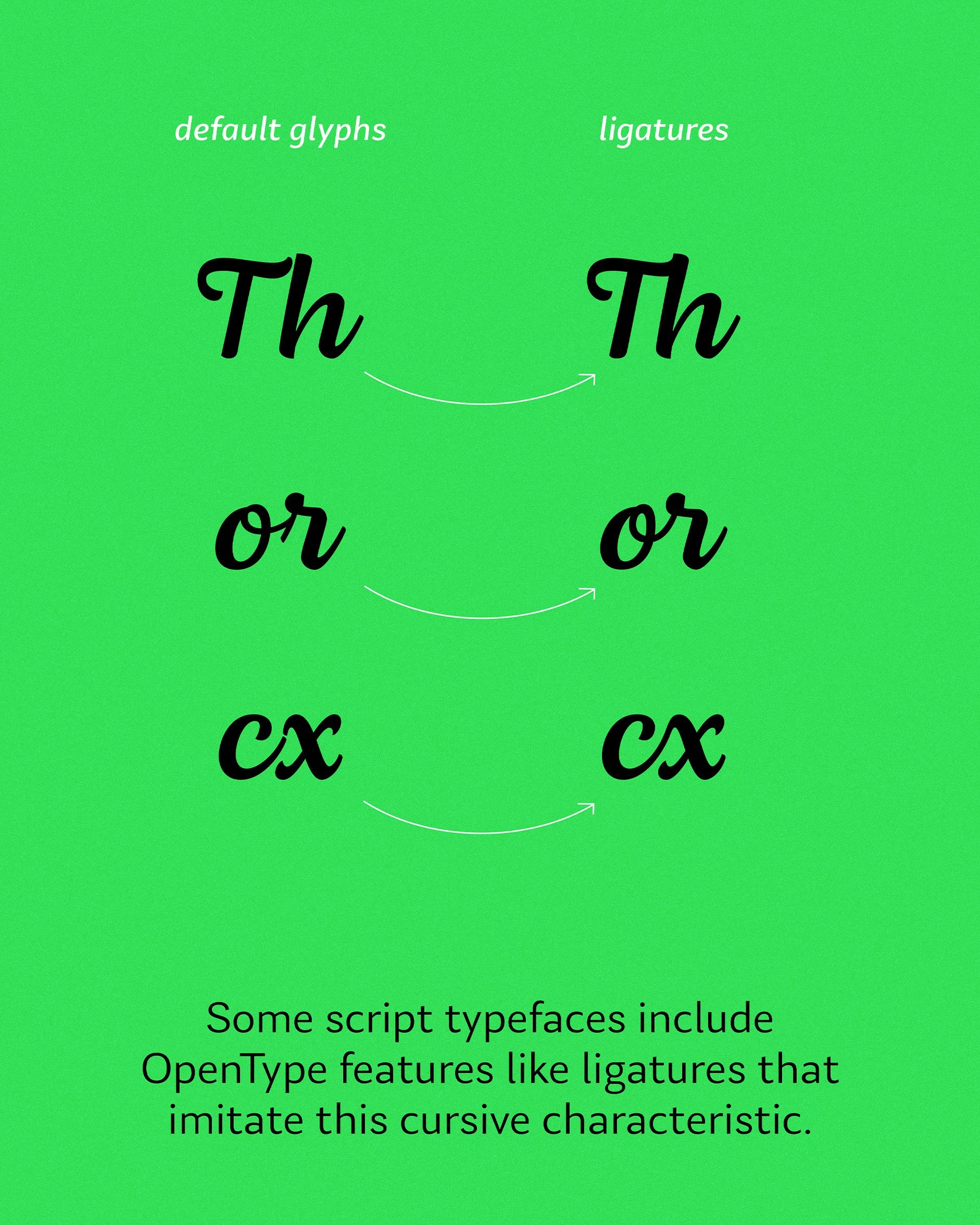
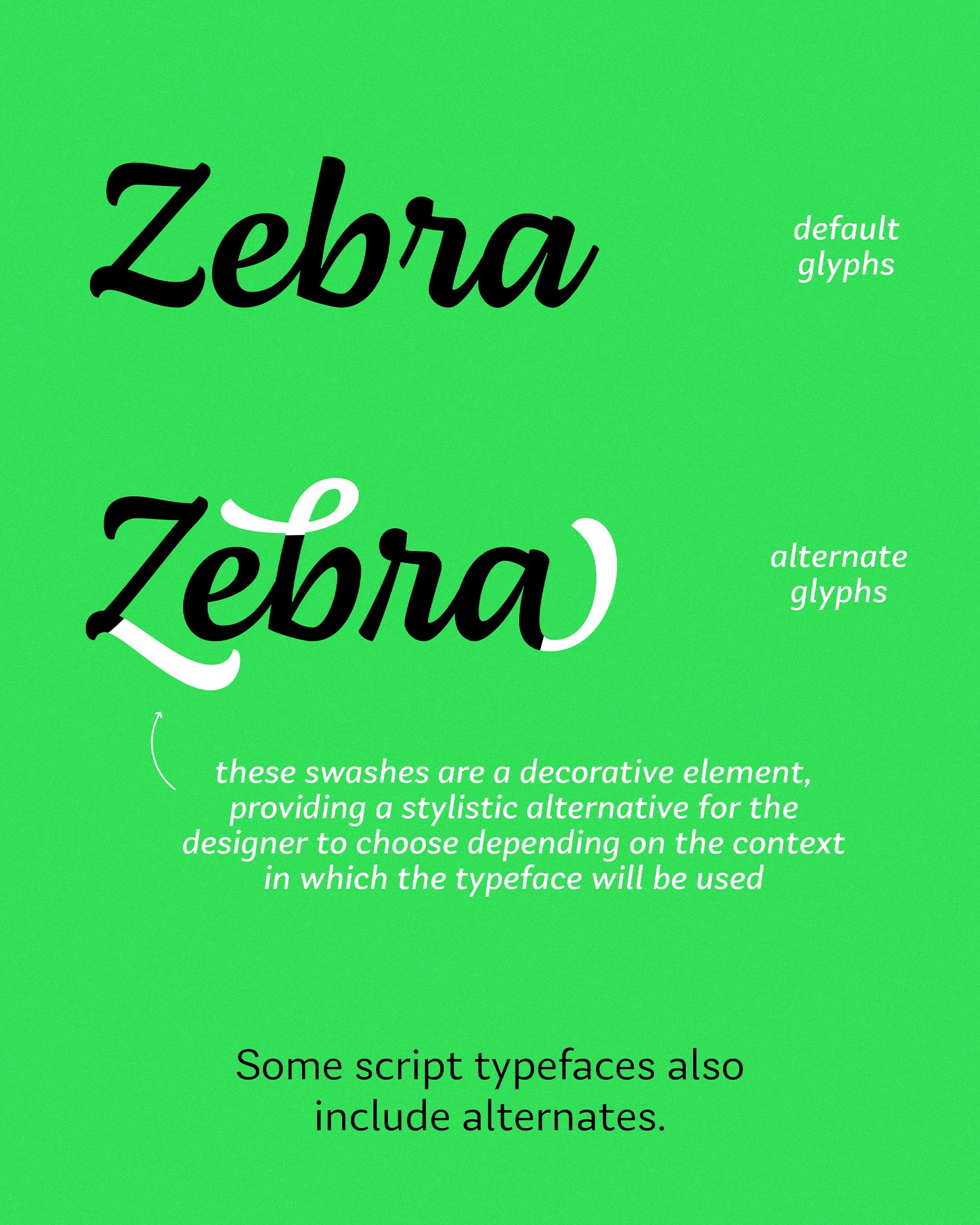
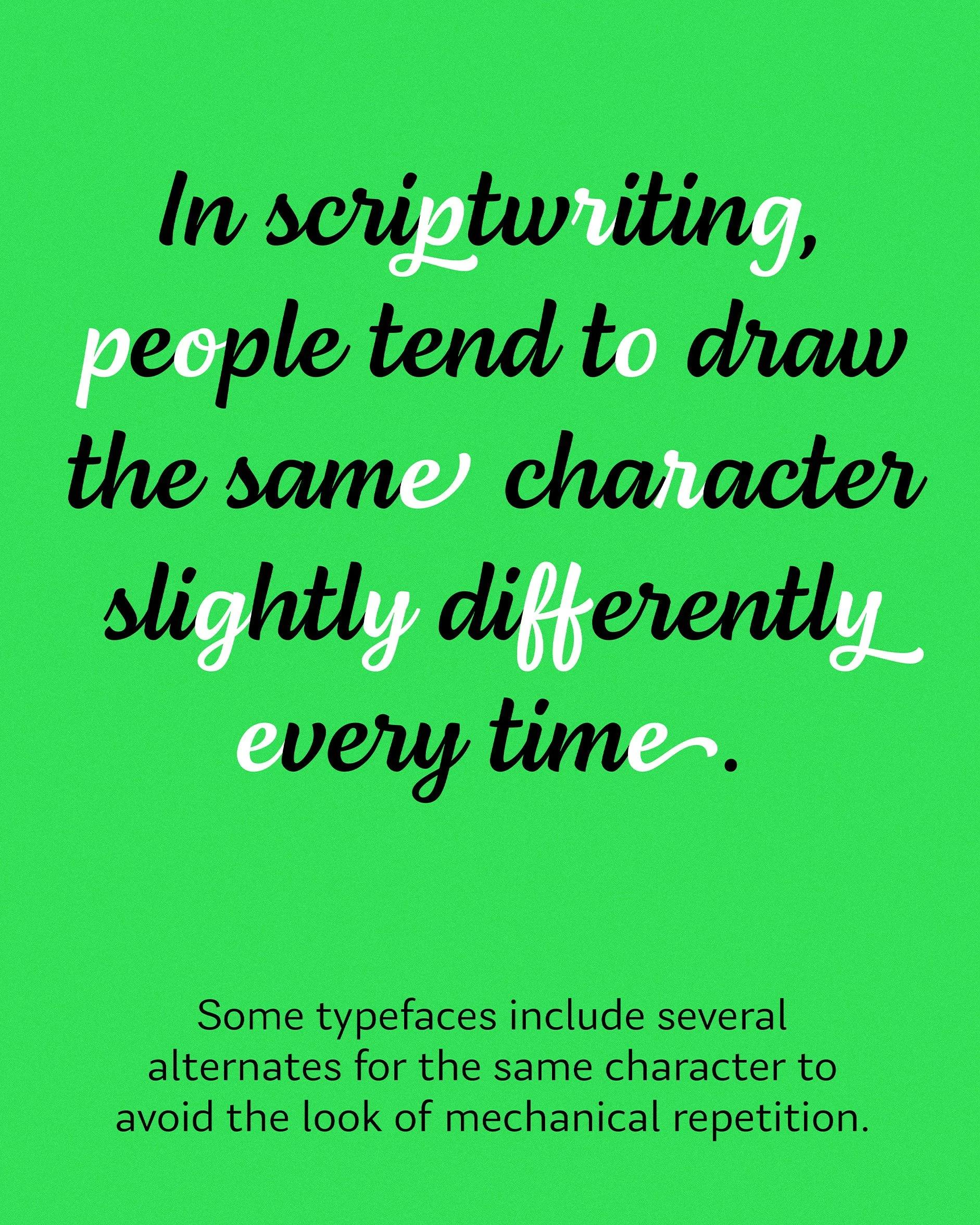
Some of the covers and images of the first and second editions of the Type Glossary.
This idea later evolved into the Nova Type Foundry Quiz: a series of questions and explanations about type design and typography derived from the research conducted for the Glossary, designed to engage with the type community. Seeing people participate, answer the questions and start conversations was one of the most rewarding parts of the project.
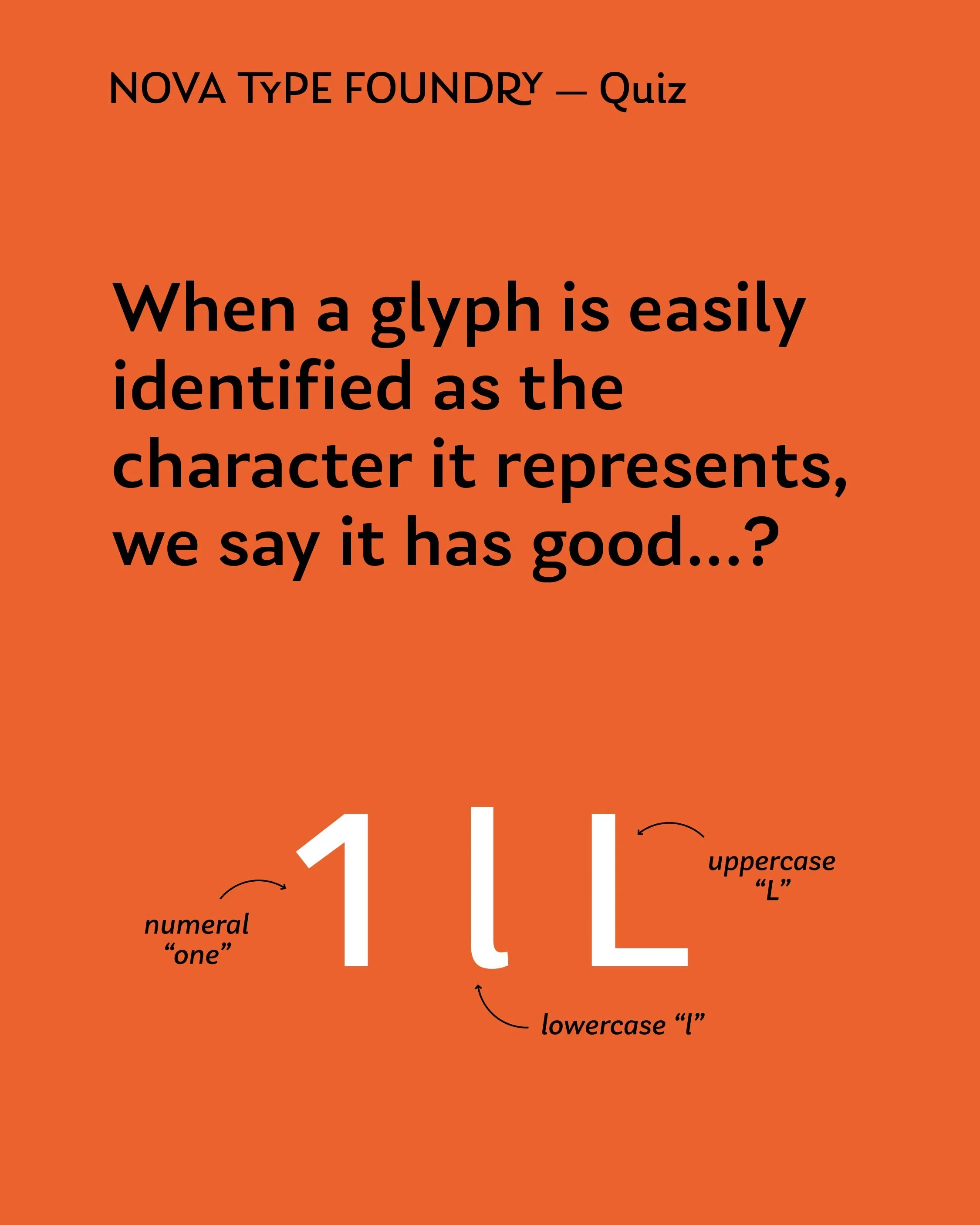
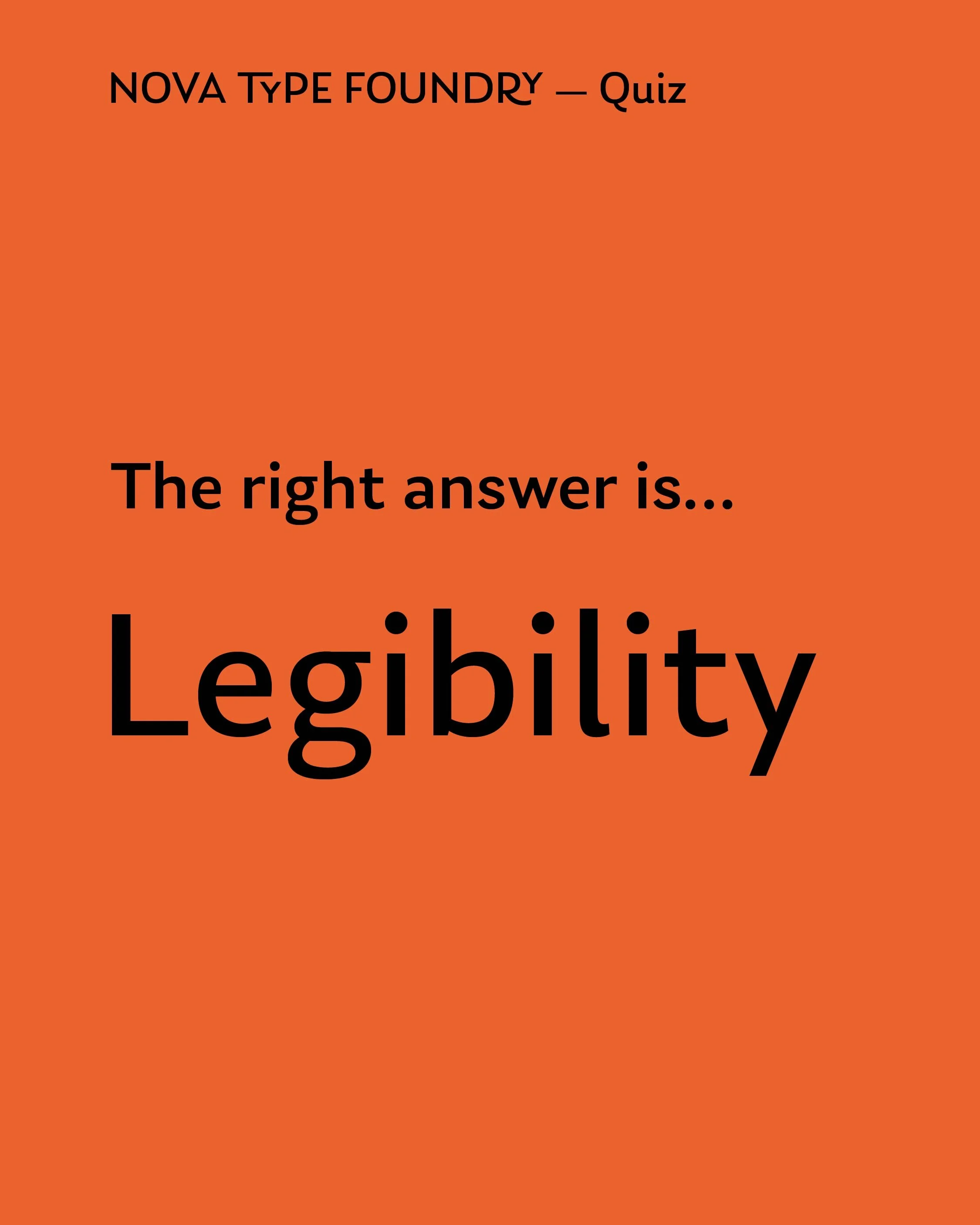
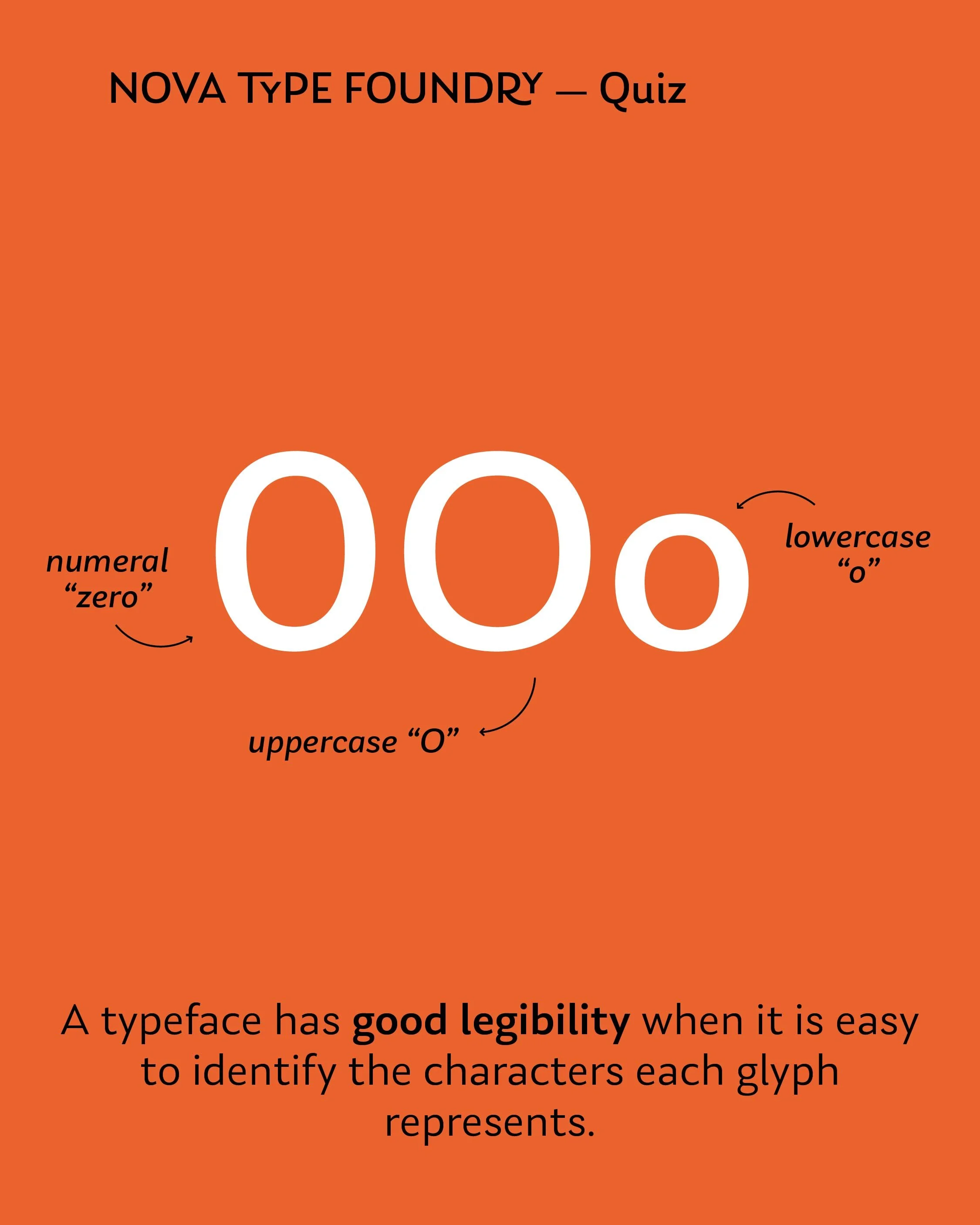
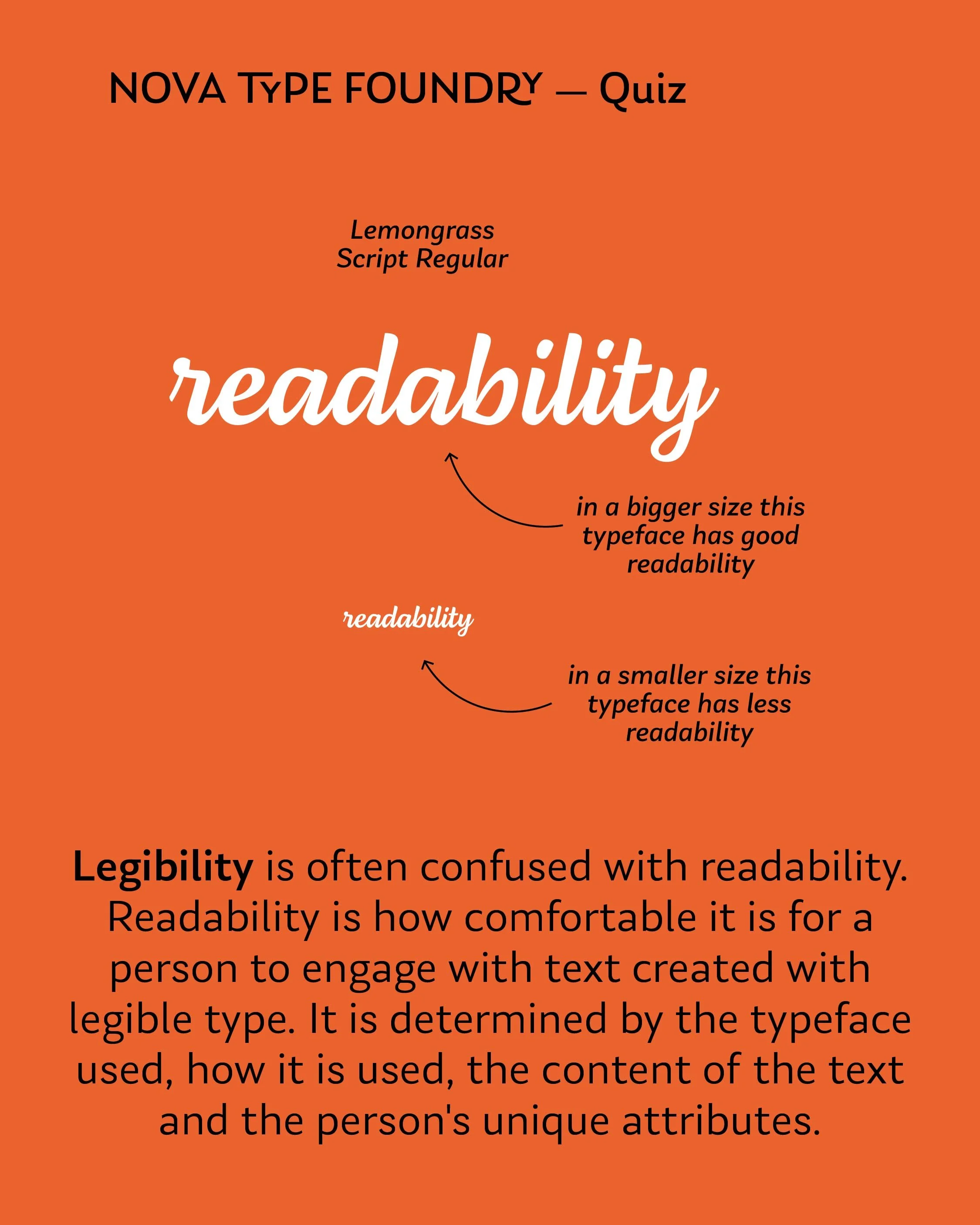
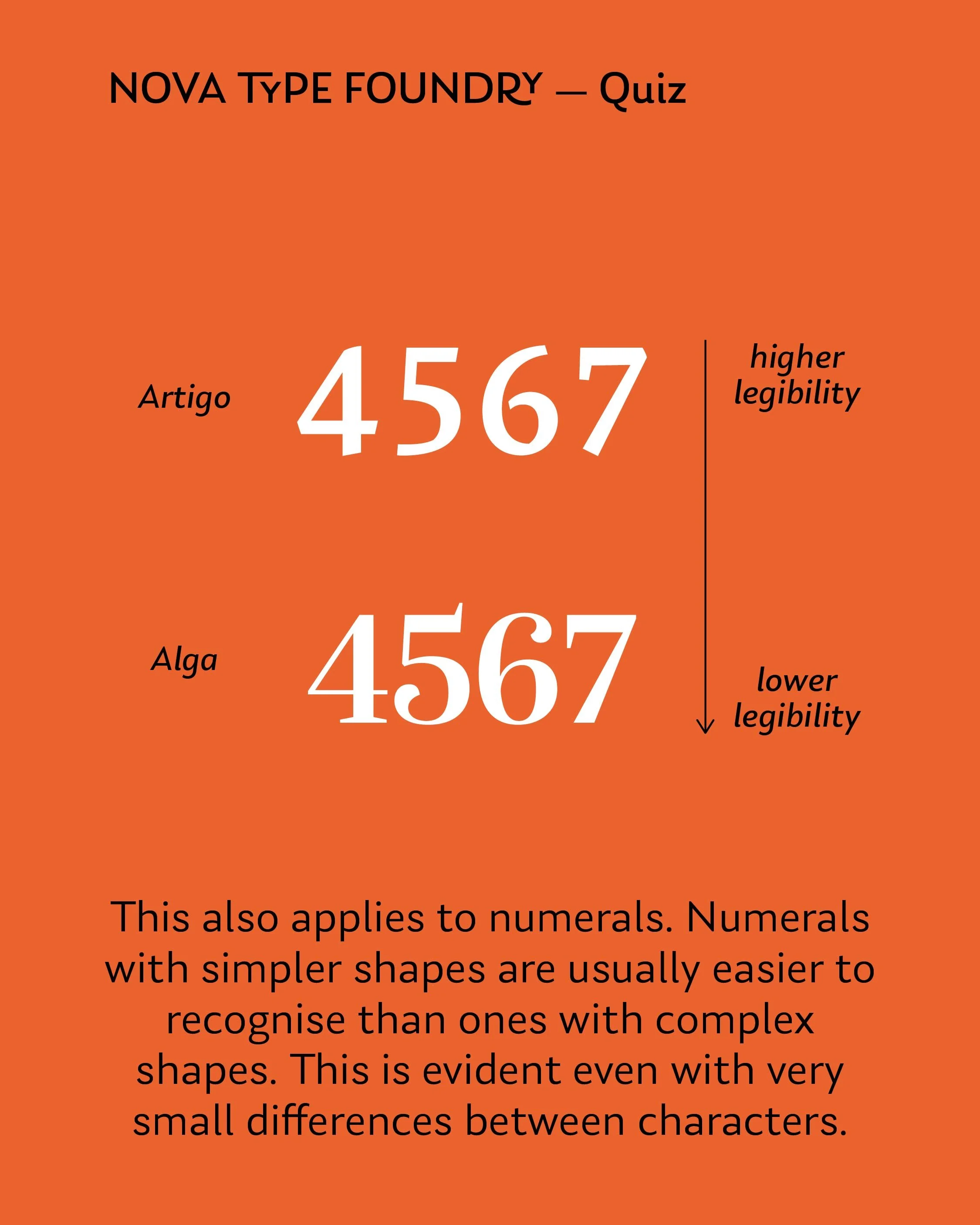
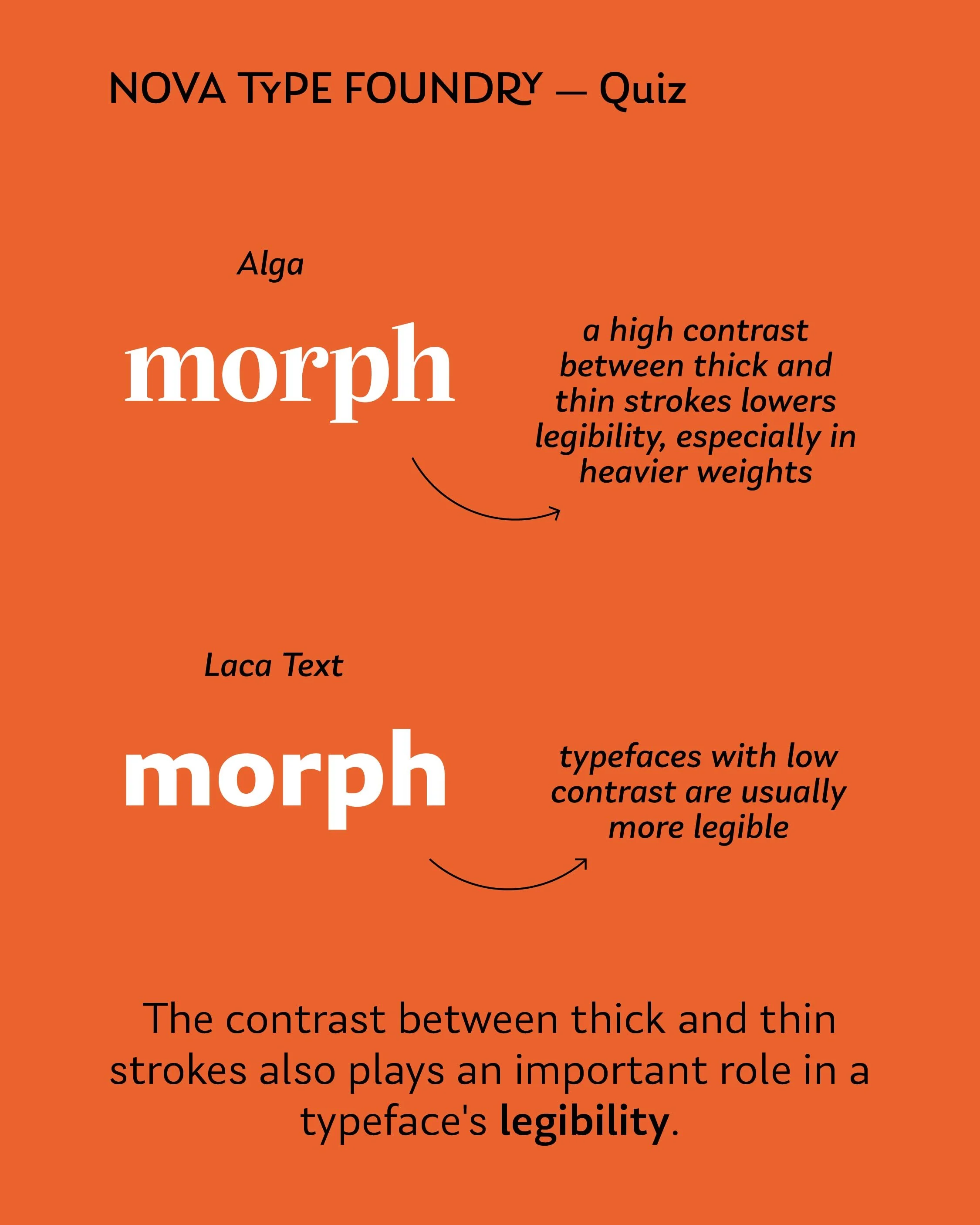
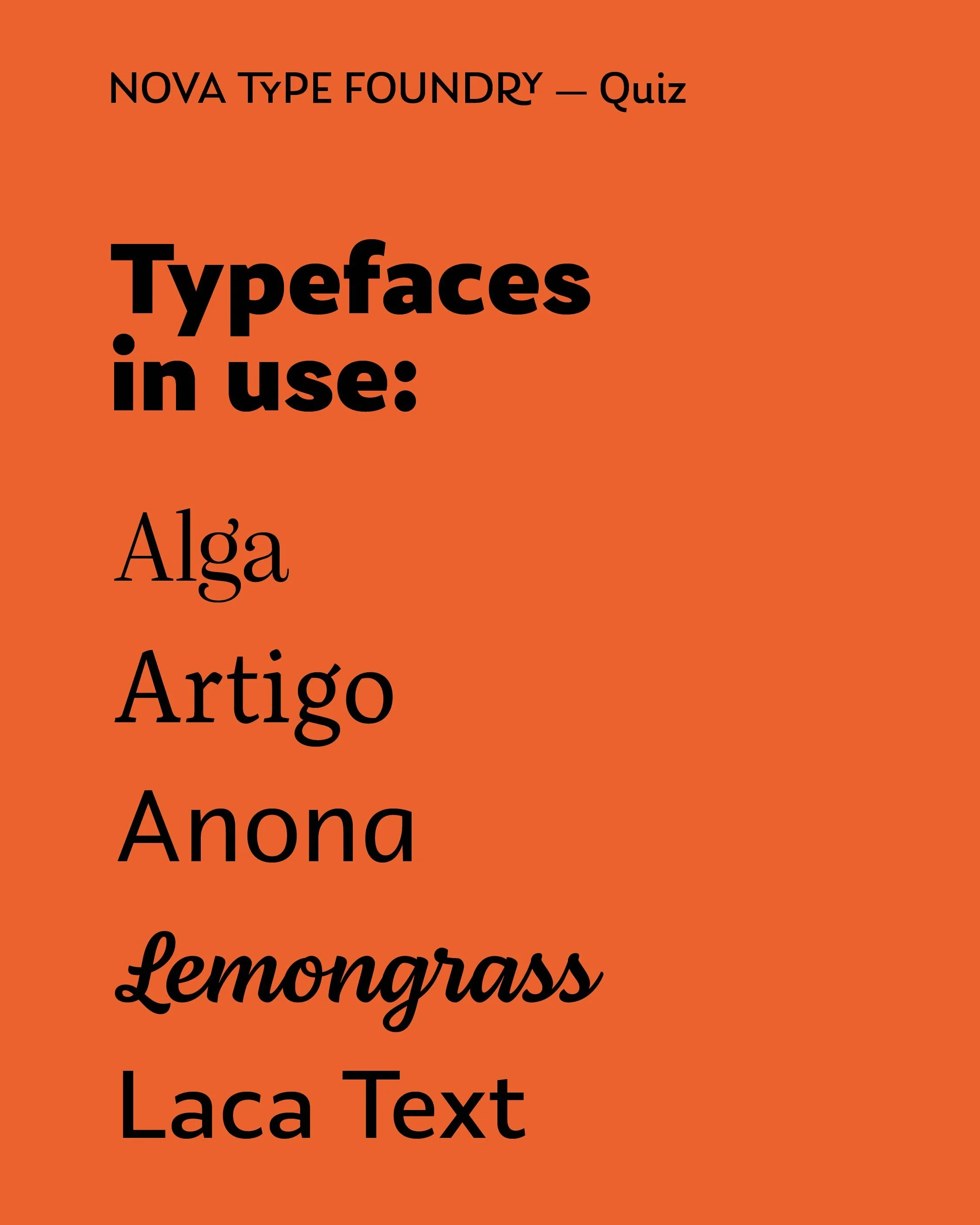
Some images from the Nova Type Foundry Quiz.
At this point, and after working closely together for a while, it felt natural to go beyond the communication work itself and share more about the person behind the foundry. We wanted to give more context to Nova Type Foundry’s story, the journey that led Joana to type design, and the ideas behind the work we were helping communicate. We did this through a pair of interviews in 2023 and 2024, where we talked with Joana about her path into type design, the creative process behind developing a typeface, and the challenges and realities of running an independent type foundry.
These interviews also reflected what makes this collaboration special, such as the constant exchange of knowledge. While we help communicate Nova Type Foundry’s work, we also continue learning from Joana’s expertise and the world of type design. (If you are interested in typography and the process behind creating typefaces, we recommend reading both interviews, for which we have dedicated blog posts. You can access our Nova Type Foundry posts and cases collection here.)

Joana working in her studio. Photo by José Guilherme Marques.
Later in 2024, Nova Type Foundry became a sponsor of the Typographics Festival in New York, one of the most relevant gatherings for the international type community. So Joana asked us to create a poster presenting Nova Type Foundry and its typeface catalogue.
We used elements from the Type Glossary, highlighting technical details, terminology and the characteristics that make each typeface unique. The result was a piece that worked both as a visual showcase and as an extension of the educational work we had already developed. To accompany the poster, we collaborated with José Alexandre Simões, who created a short video presenting Nova Type Foundry as part of the event. This project brought together many aspects of our practice, including concept development, information design, art direction, and production (speaking of production, we also used the Type Glossary’s visuals and info to create a set of postcards and stickers with the foundry branding to distribute at the event)!
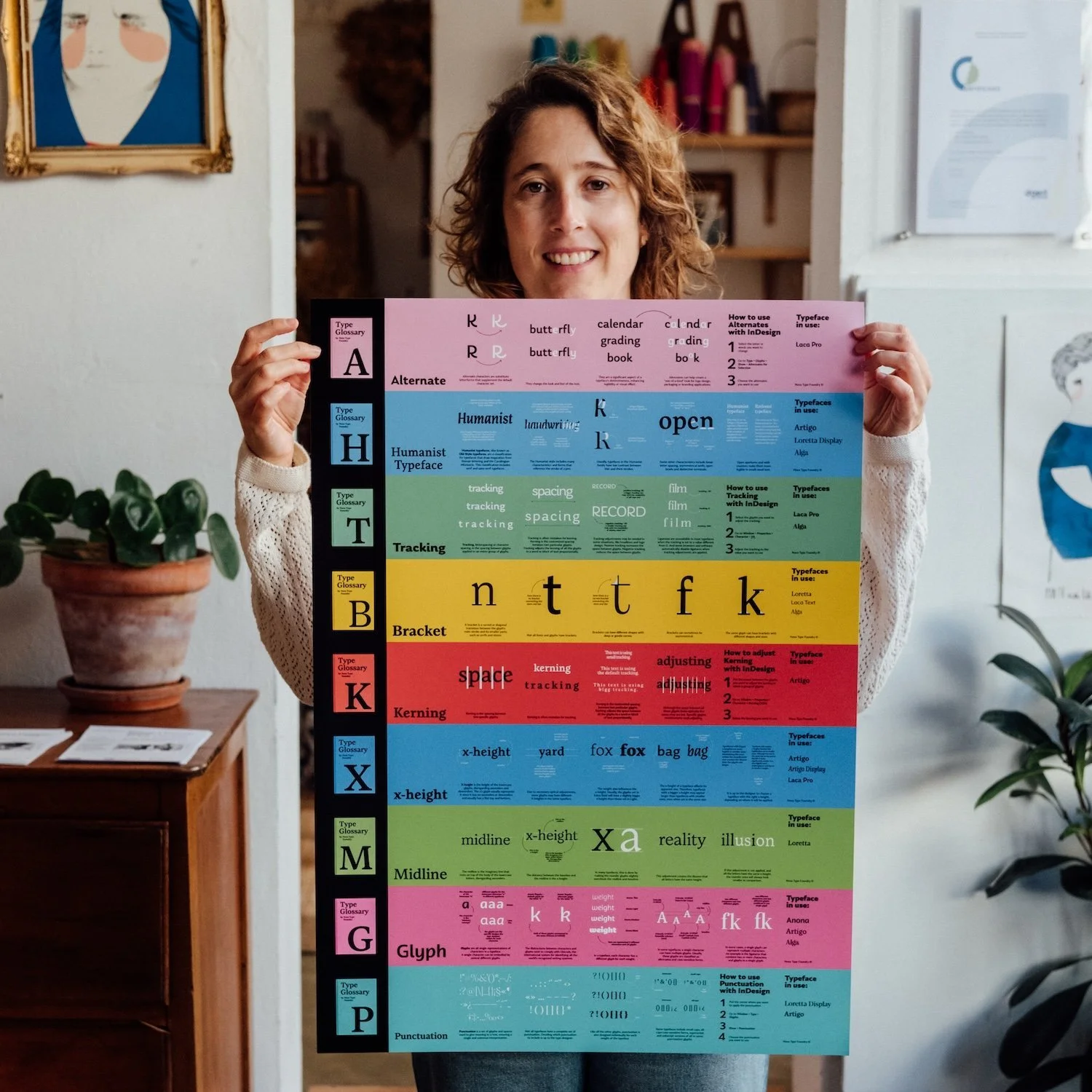
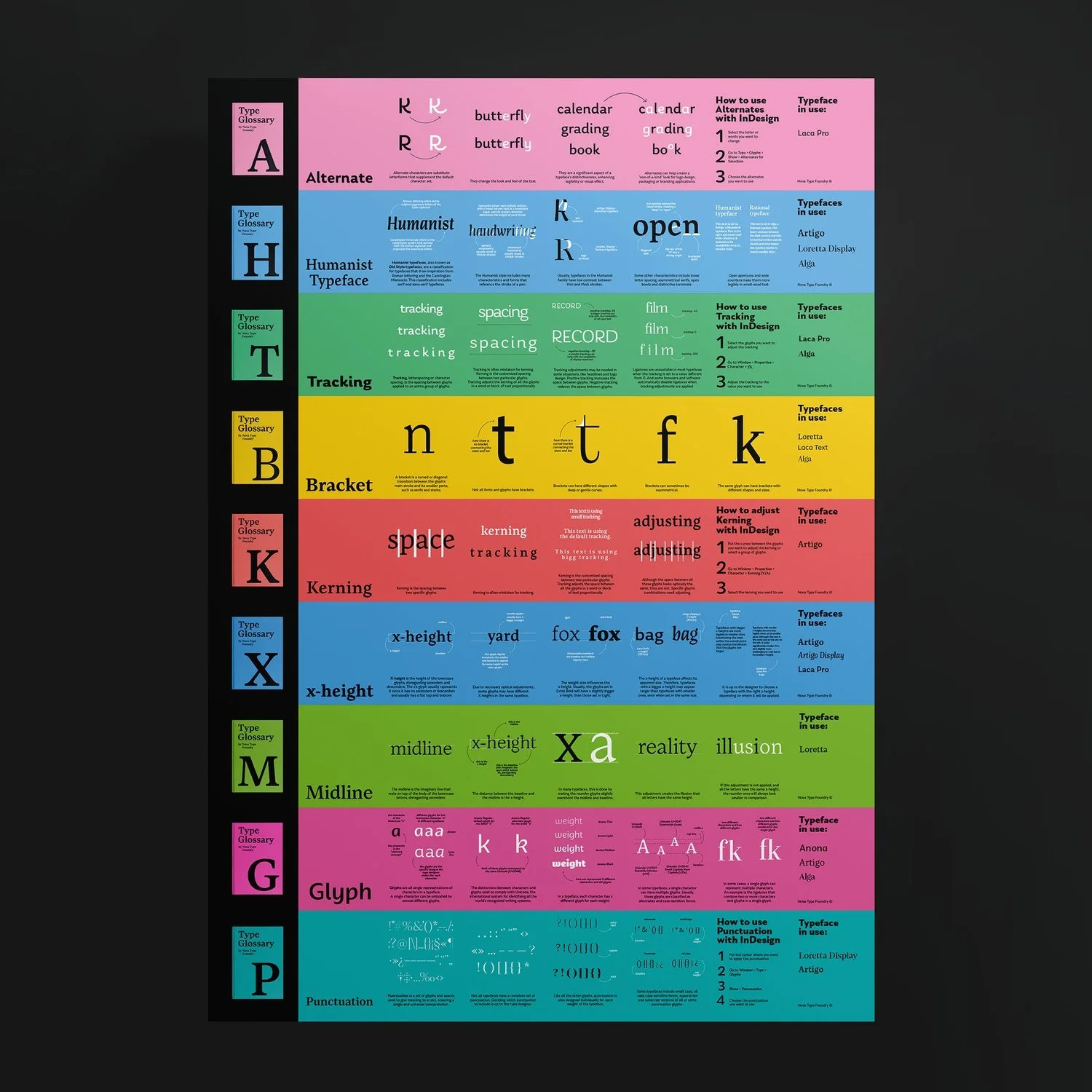
Joana with her poster, photographed by Miguel at our lovely studio in Porto + a mockup of the design with all the details.
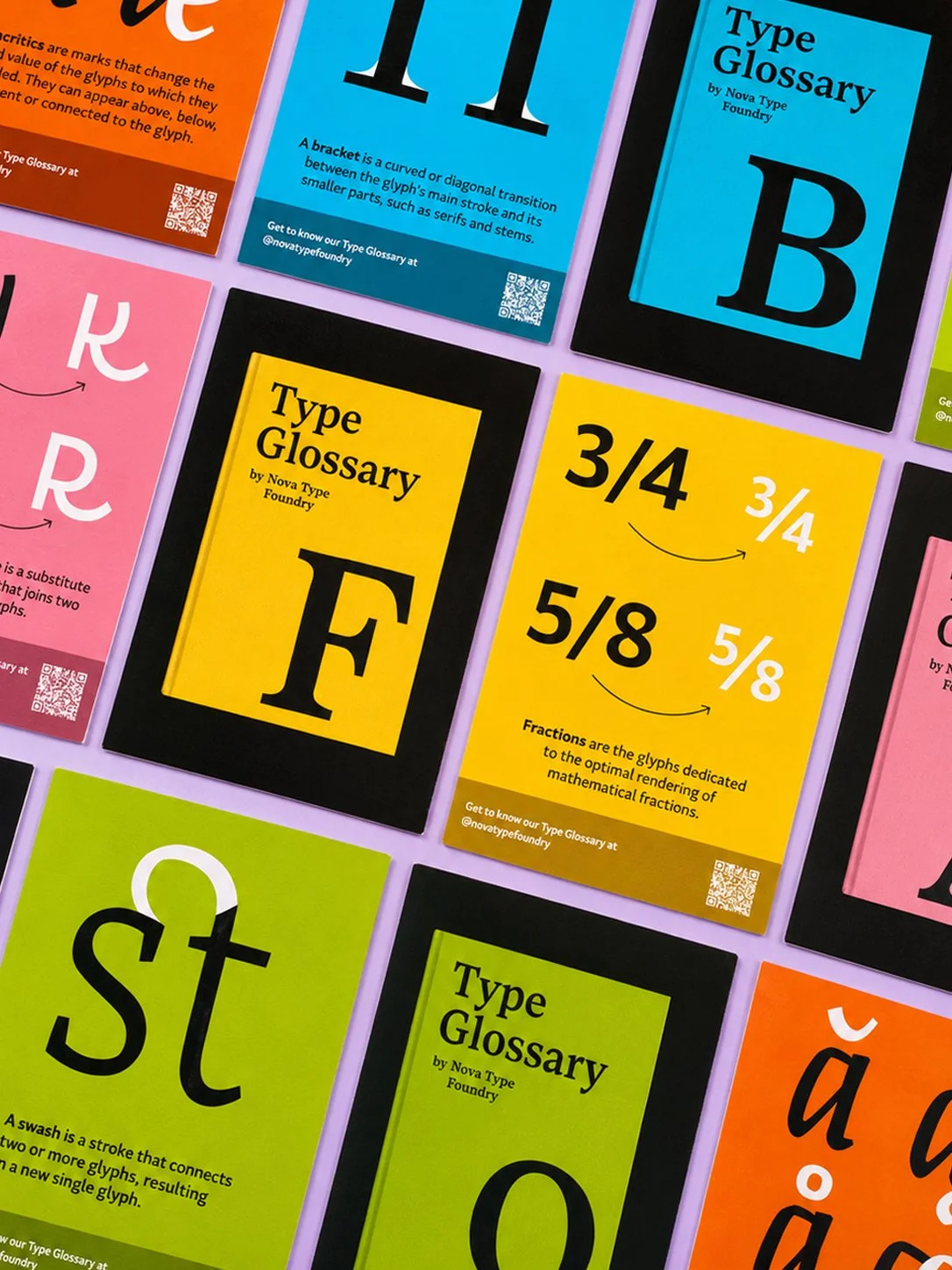
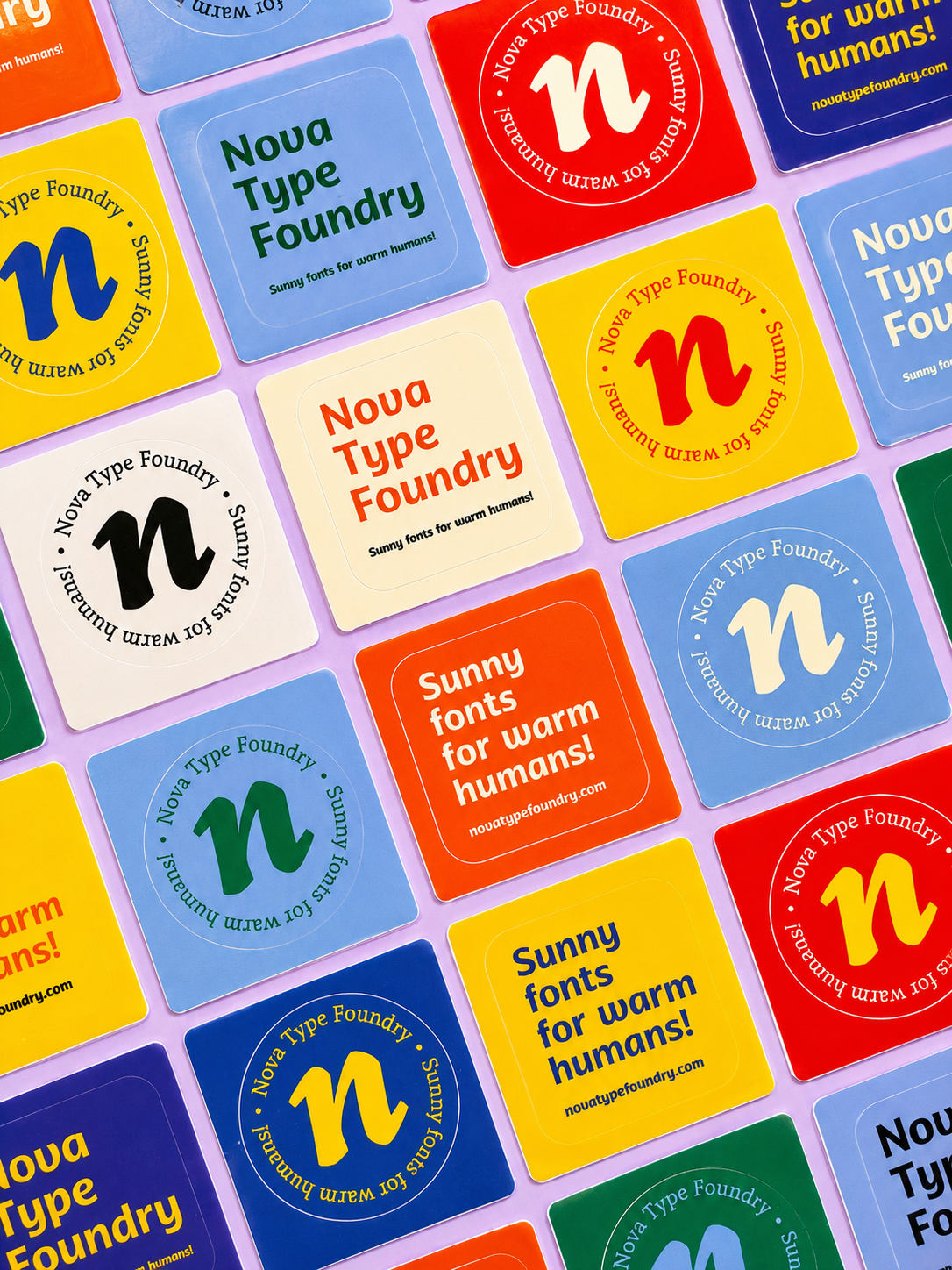
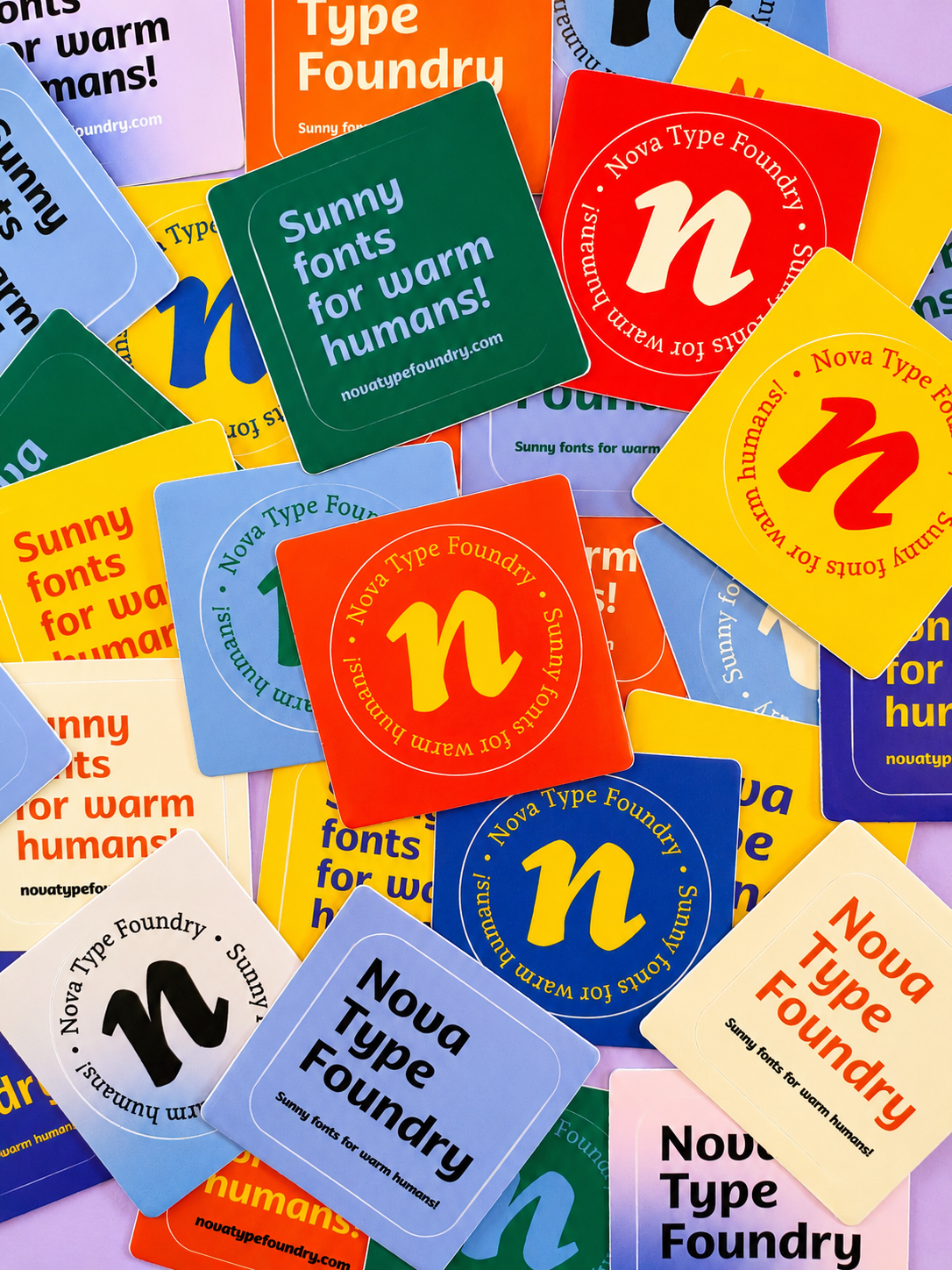
Postcards created with the Type Glossary information/design + stickers with the foundry branding. Photographs by Cristiana Braz.
Besides the obvious pleasure we take in working with the field of type design, one of the most interesting challenges of working with a type foundry is finding ways to showcase something that is, at its core, invisible. A typeface is often experienced through its use: in a poster, a book, a website, packaging or a brand identity. But before that happens, designers need to discover it, understand it and imagine what they can create with it.
So when Joana asked us to develop a new set of visuals for Nova Type Foundry’s typefaces on the MyFonts platform, we were very excited. This was an opportunity to explore art direction in depth. For each typeface, we developed a visual universe that reflected its personality, balancing technical information with storytelling.
We created images that highlighted different aspects of the fonts like weights, alternate glyphs, and other details that make each family unique. It was a project where strategy and design needed to work together, especially in understanding the audience, the product, and creating communication that helps people connect with it (again, we have a dedicated post where we break all of this down in more detail, so feel free to head on over).


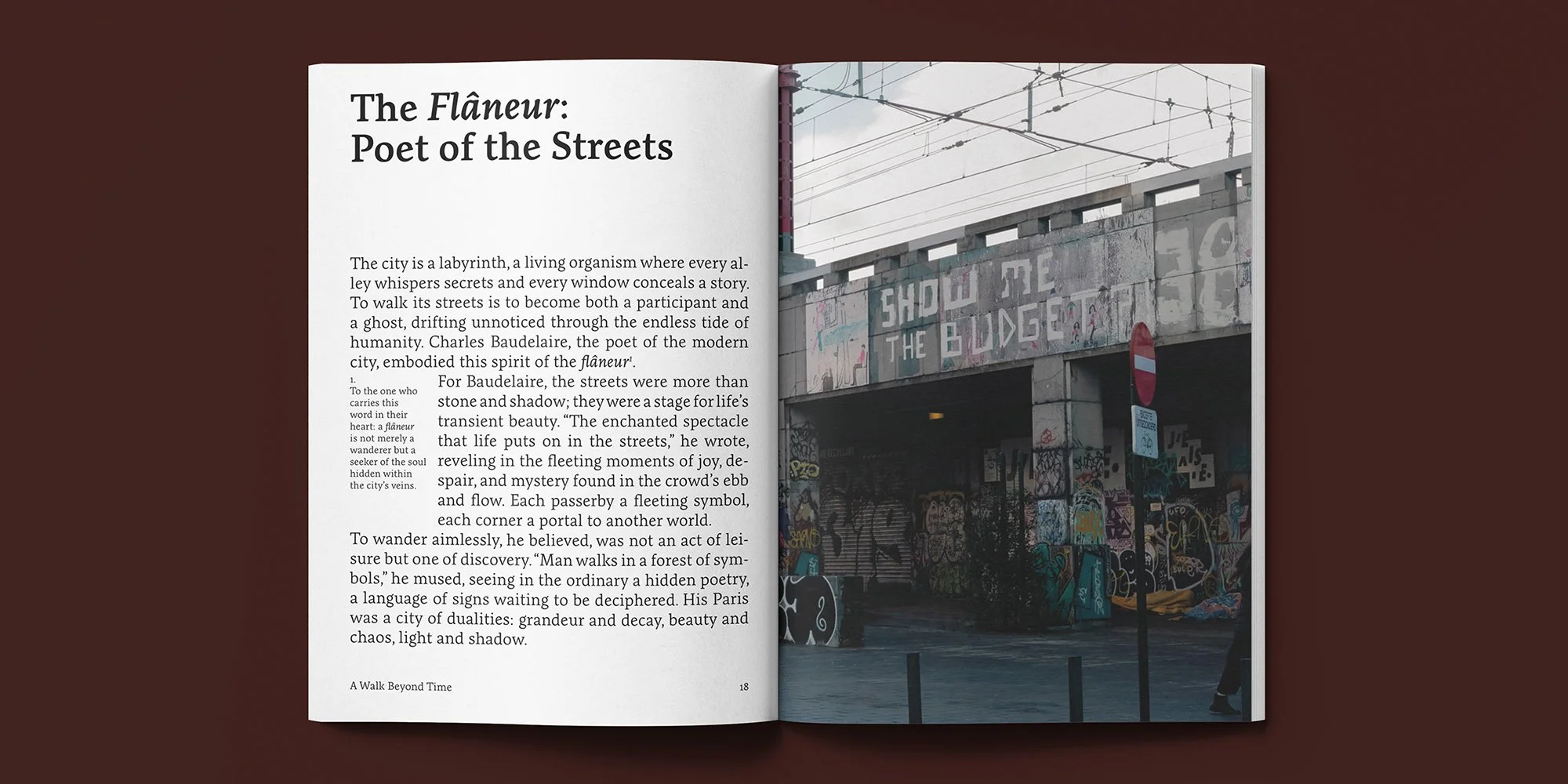


Some of the MyFonts visuals for the typefaces Artigo, Laca Pro, Baga and Loretta.
After developing the MyFonts visuals, we adapted them into Nova Type Foundry’s social media communication. At first, the focus was on presenting the typefaces and their possible applications through mockups and real-world scenarios. However, communication is never static. As social media platforms and user behaviours evolve, we must always reflect on the communication strategy and how it can better serve the brands we work with.


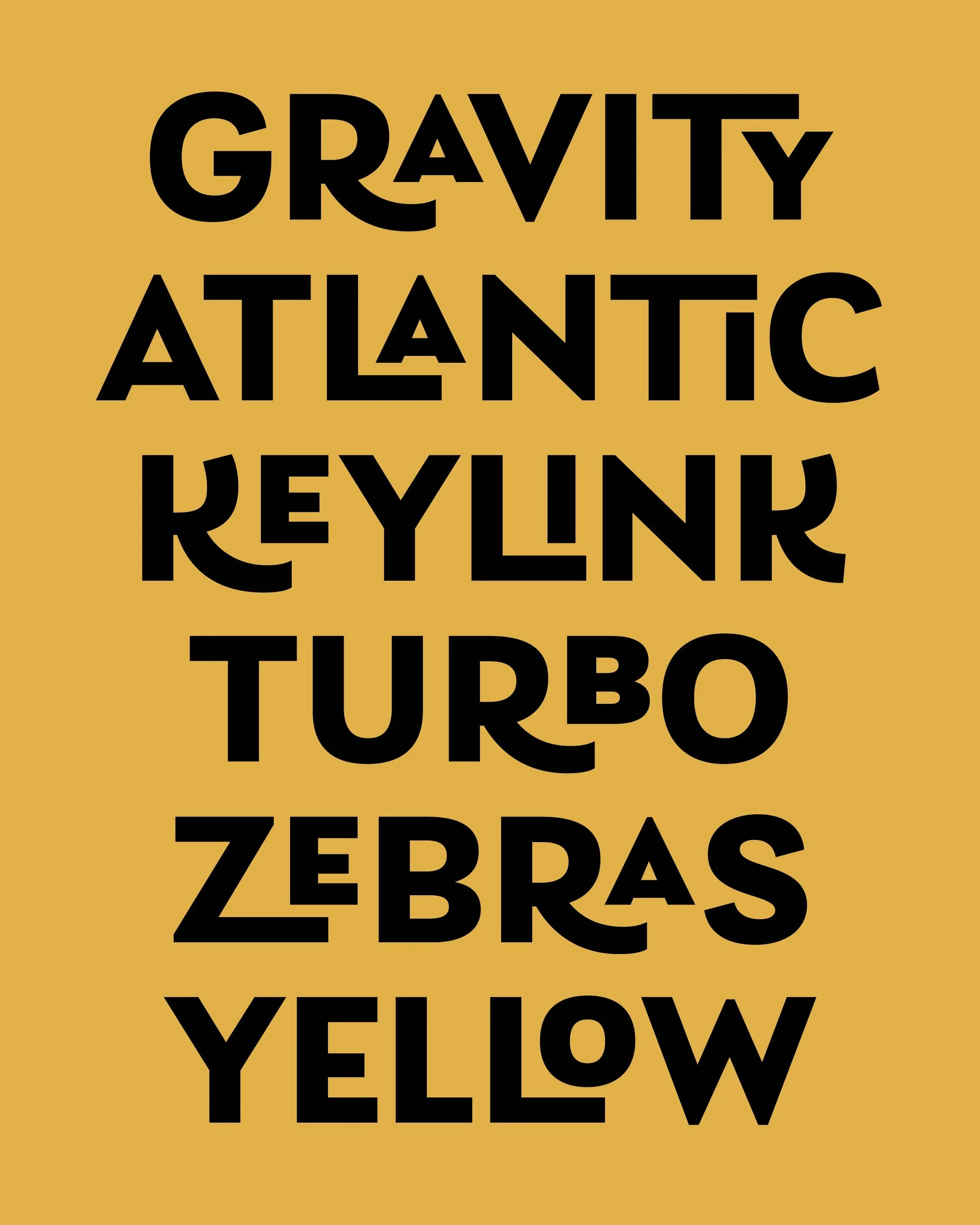


Visuals for social media inspired by the MyFonts project, focusing on the use of mockups.
For us, long-term communication projects require this continuous analysis: understanding what resonates with audiences, questioning whether the current approach is still effective and identifying new opportunities to communicate. Over time we started revisiting Nova Type Foundry’s communication strategy and looking into what type of content was creating engagement, what information designers needed and how we could create a stronger bridge between the technical world of type design and the people using these typefaces in their everyday work.
Instead of focusing on presenting typefaces as finished products, we started creating content that revealed the decisions, details and craftsmanship behind each design. Towards the end of last year, through reels, animations and more educational posts, we began highlighting specific typographic details, such as terminals, serifs, ligatures, alternate glyphs, font pairings and construction decisions, creating conversations around all these details.
For us, one of the most valuable parts of communication design is understanding that a brand’s visual presence is not a fixed system, but something that needs to evolve alongside its audience, its goals and the wider context in which it exists.
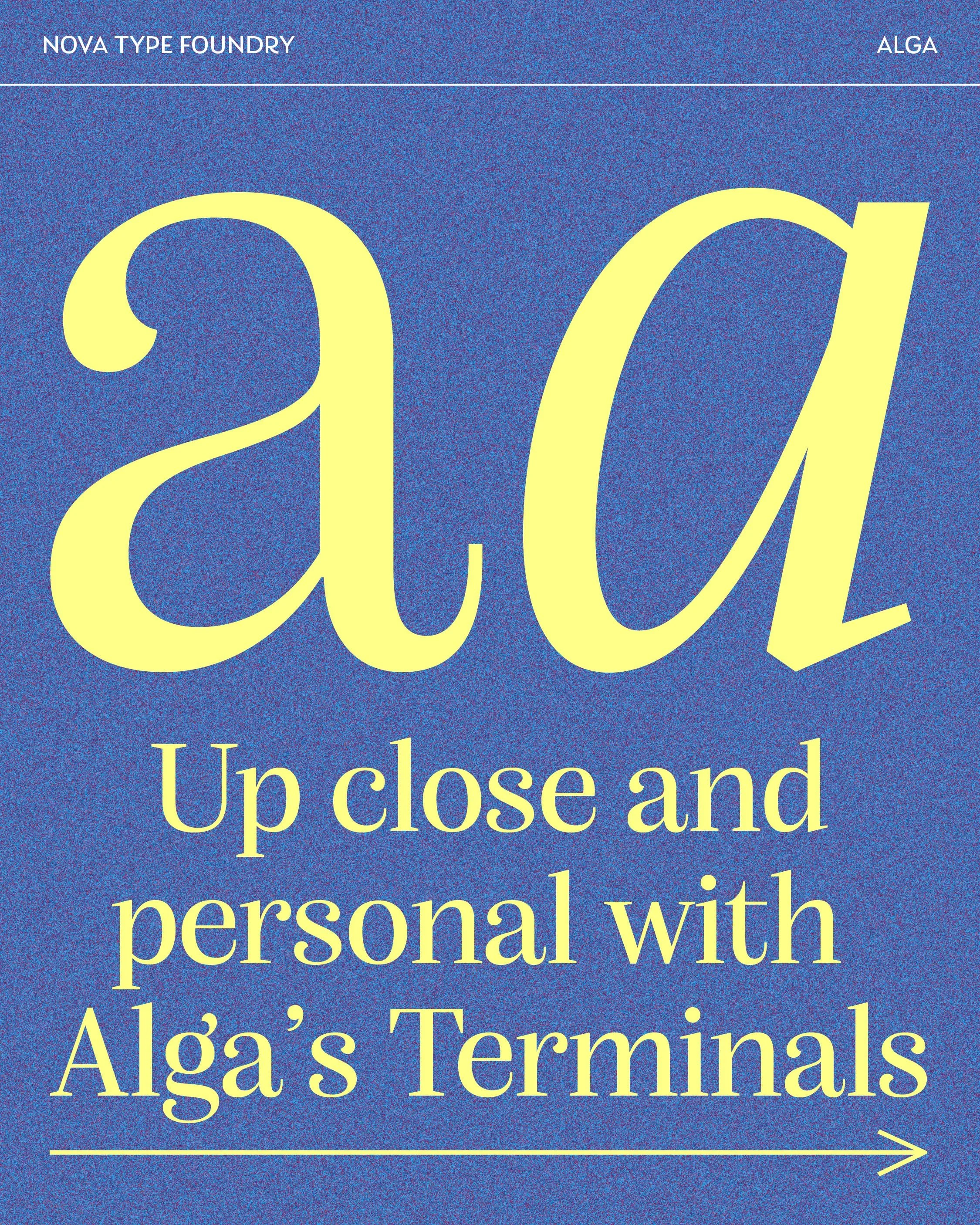
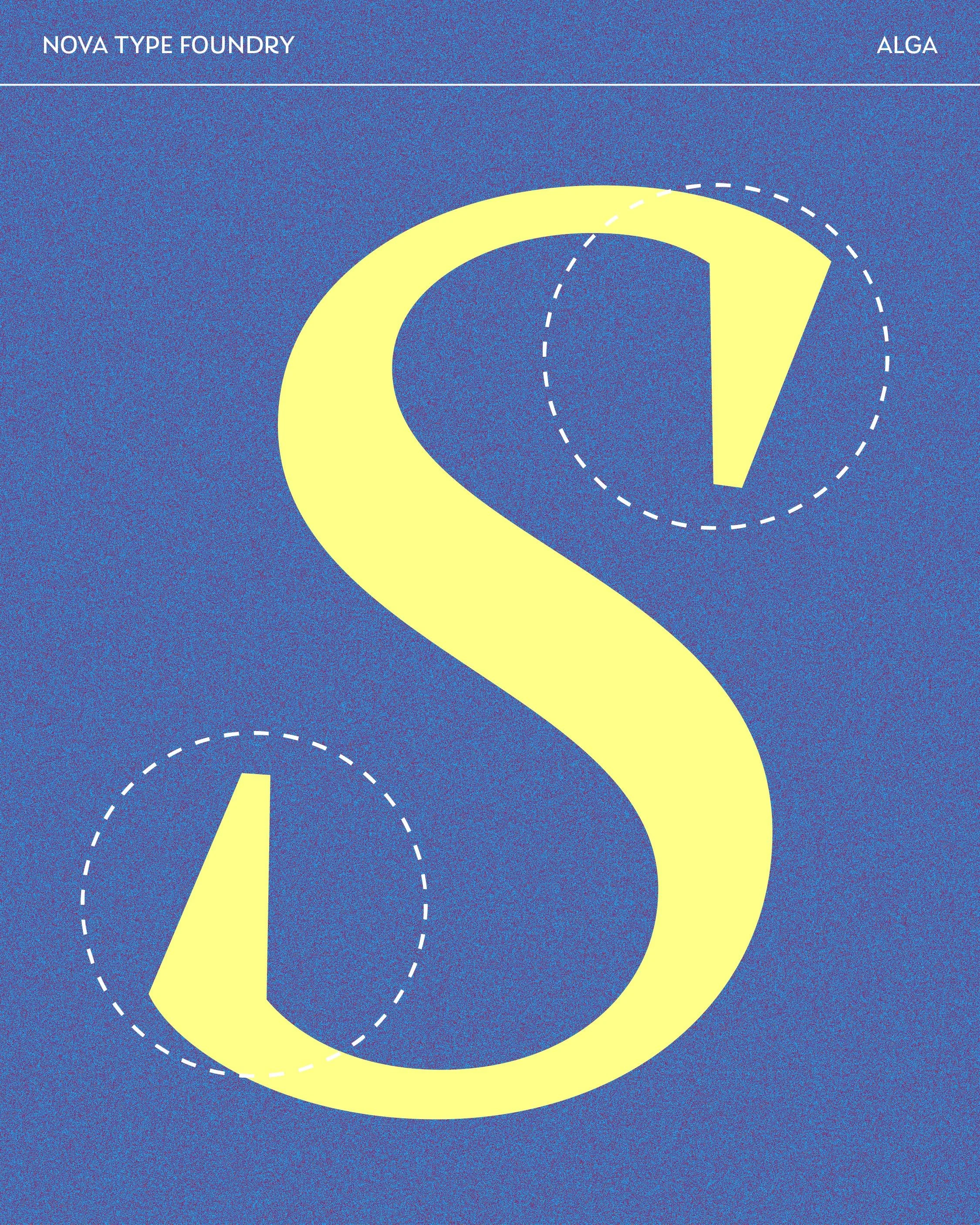
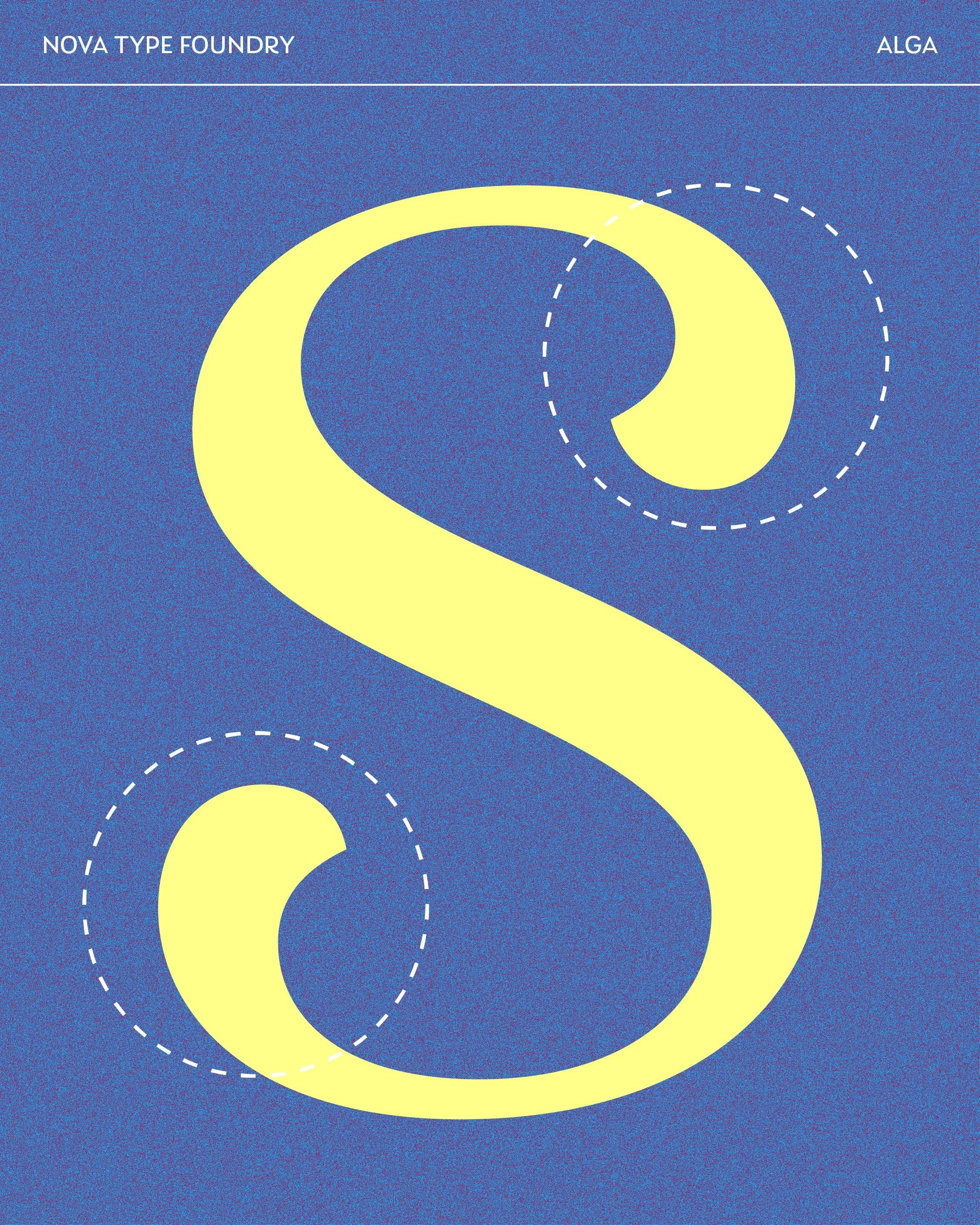
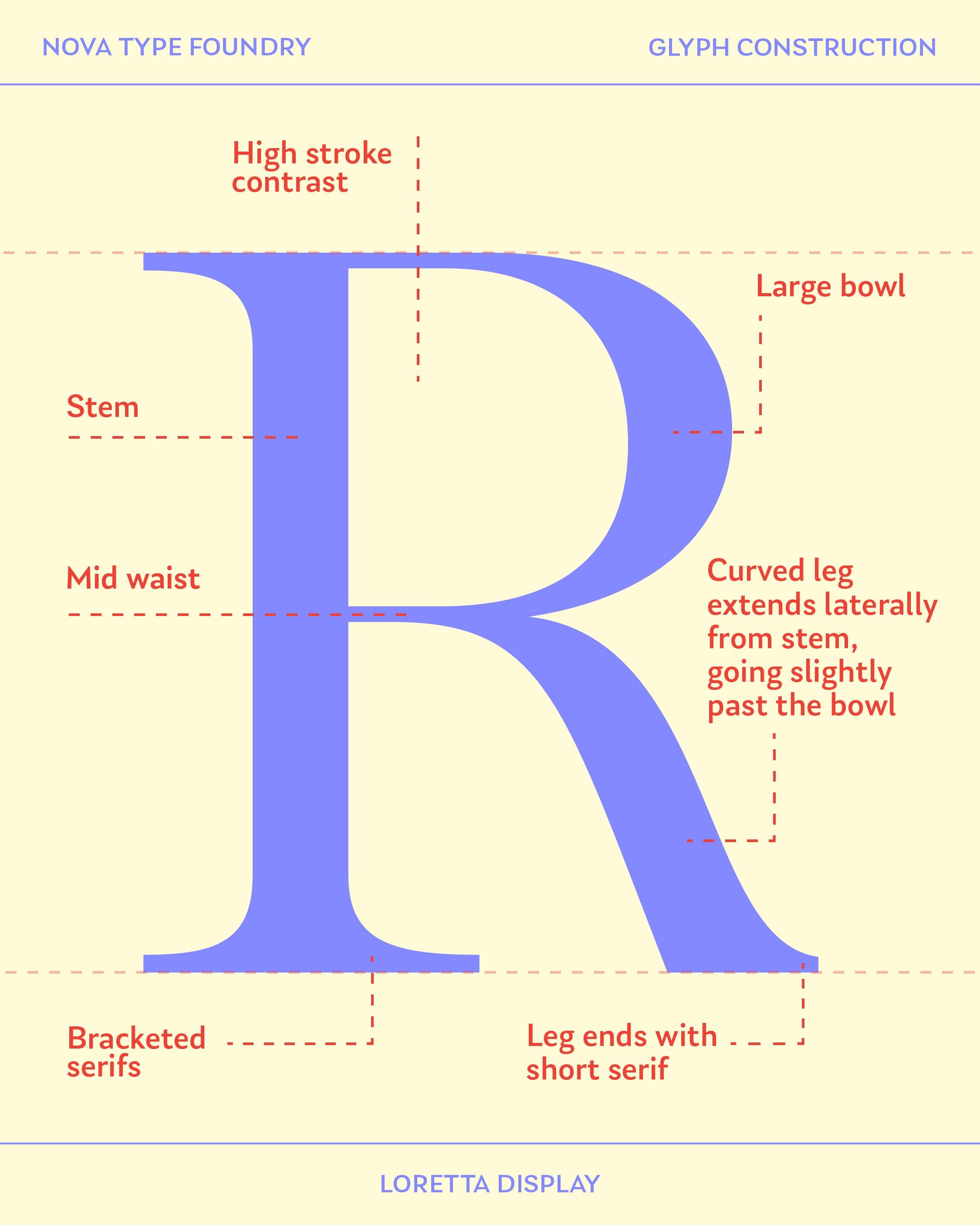
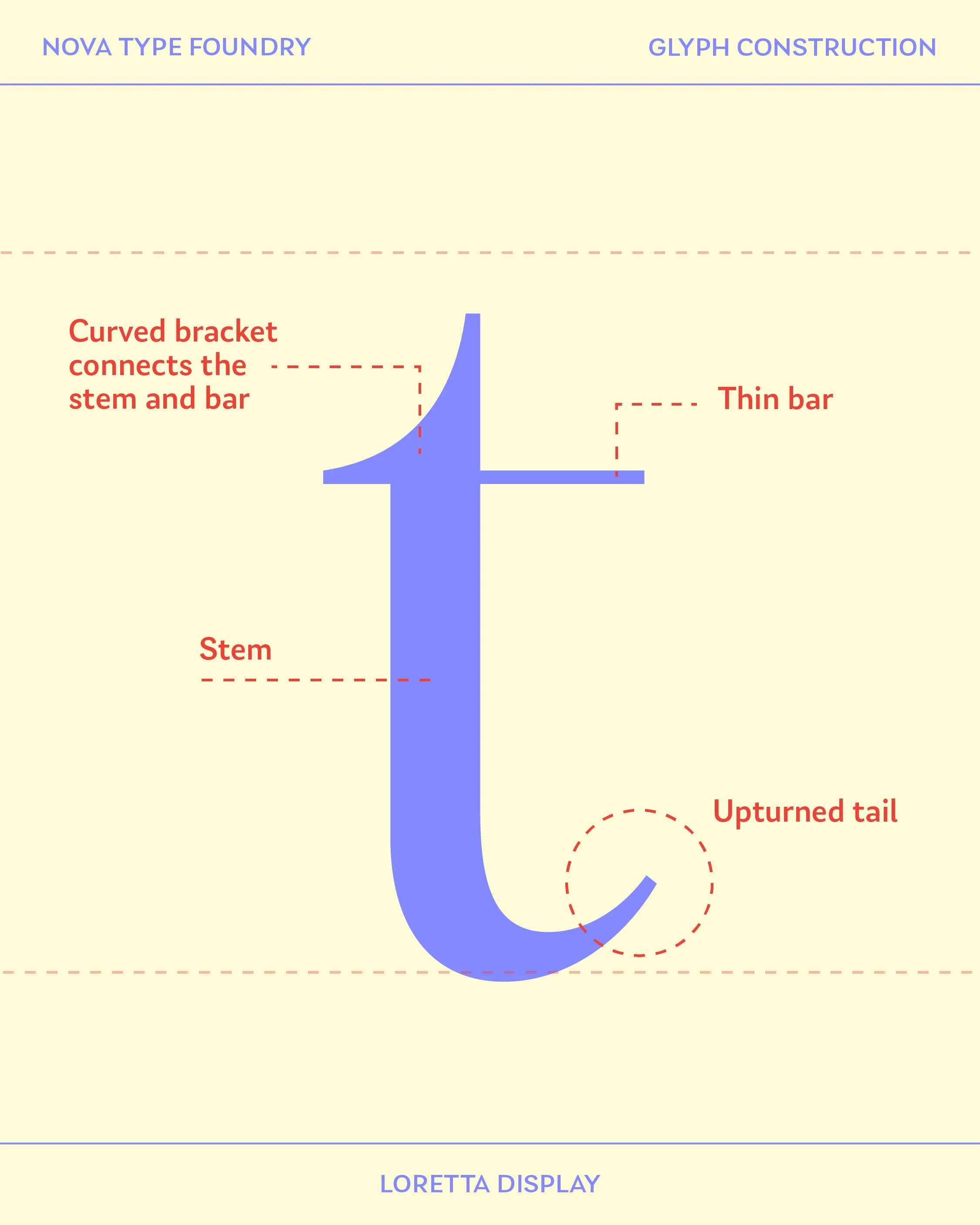
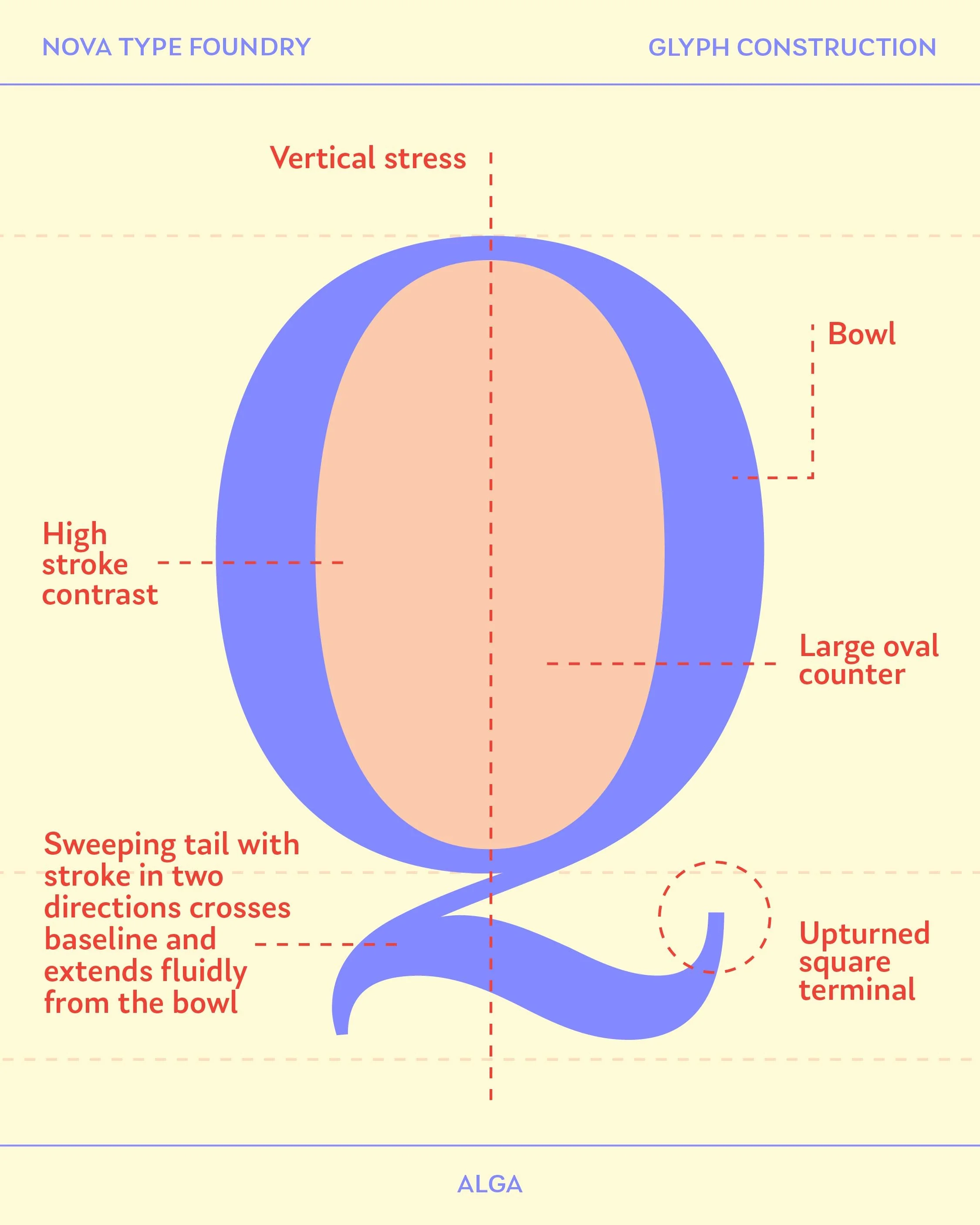
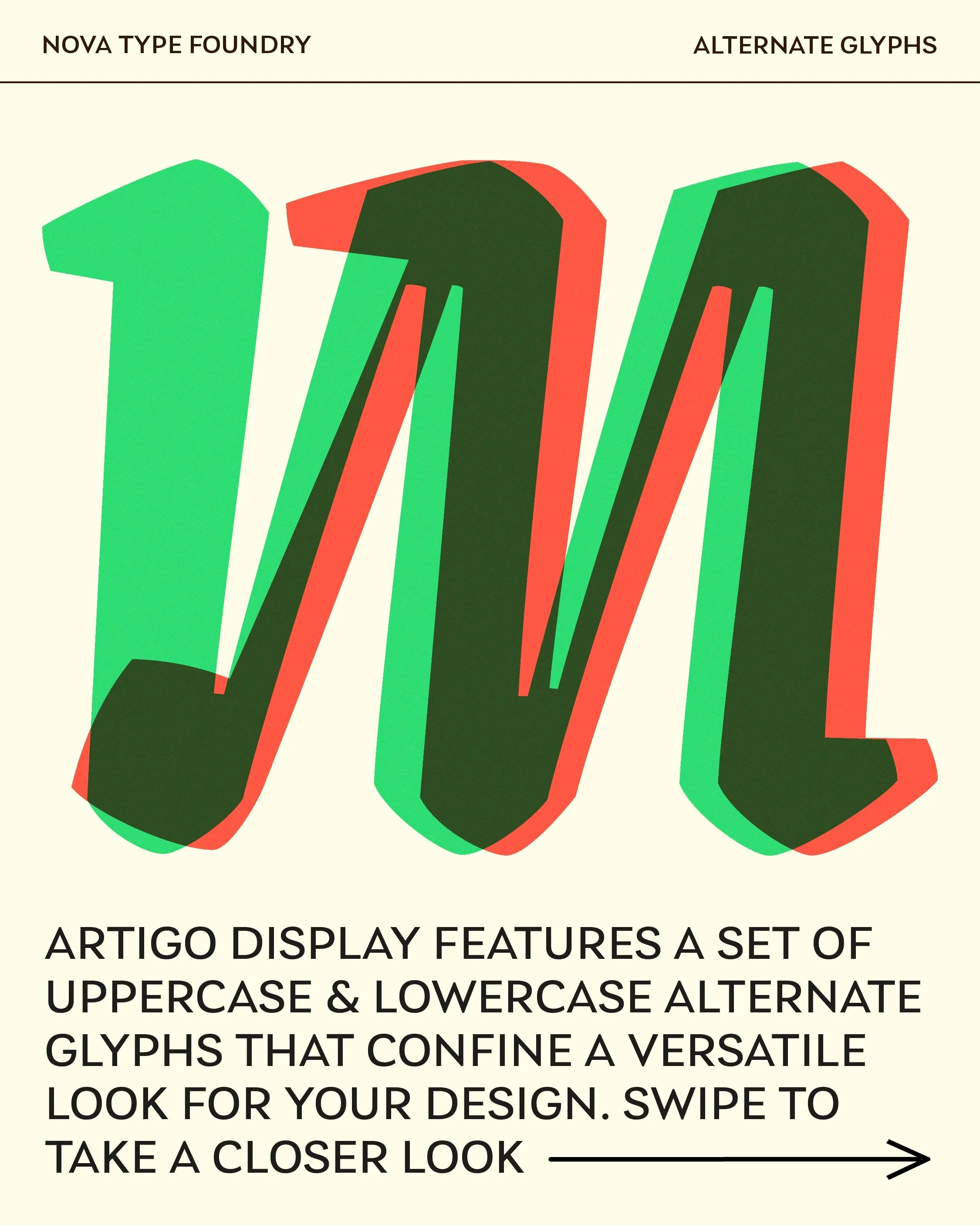
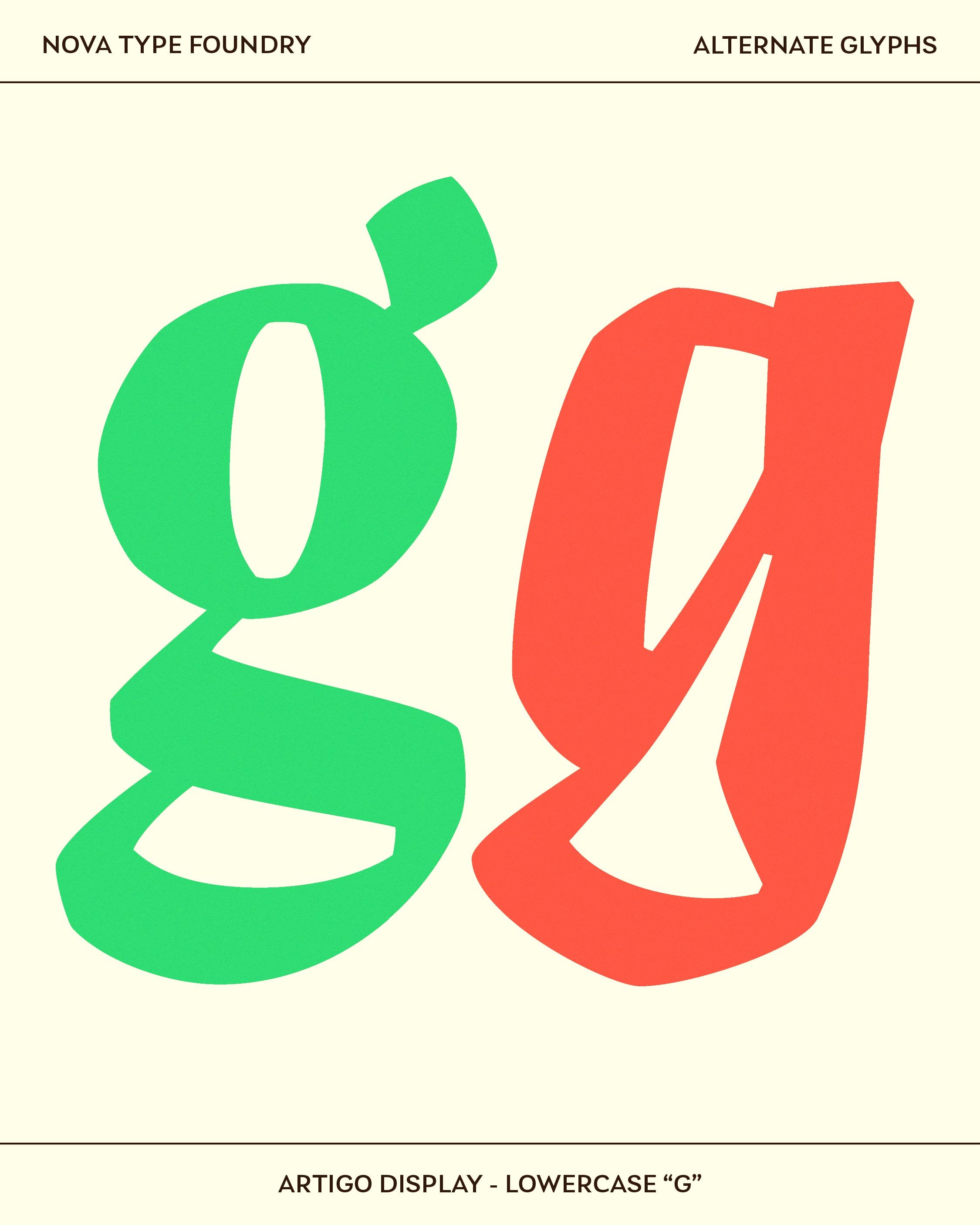
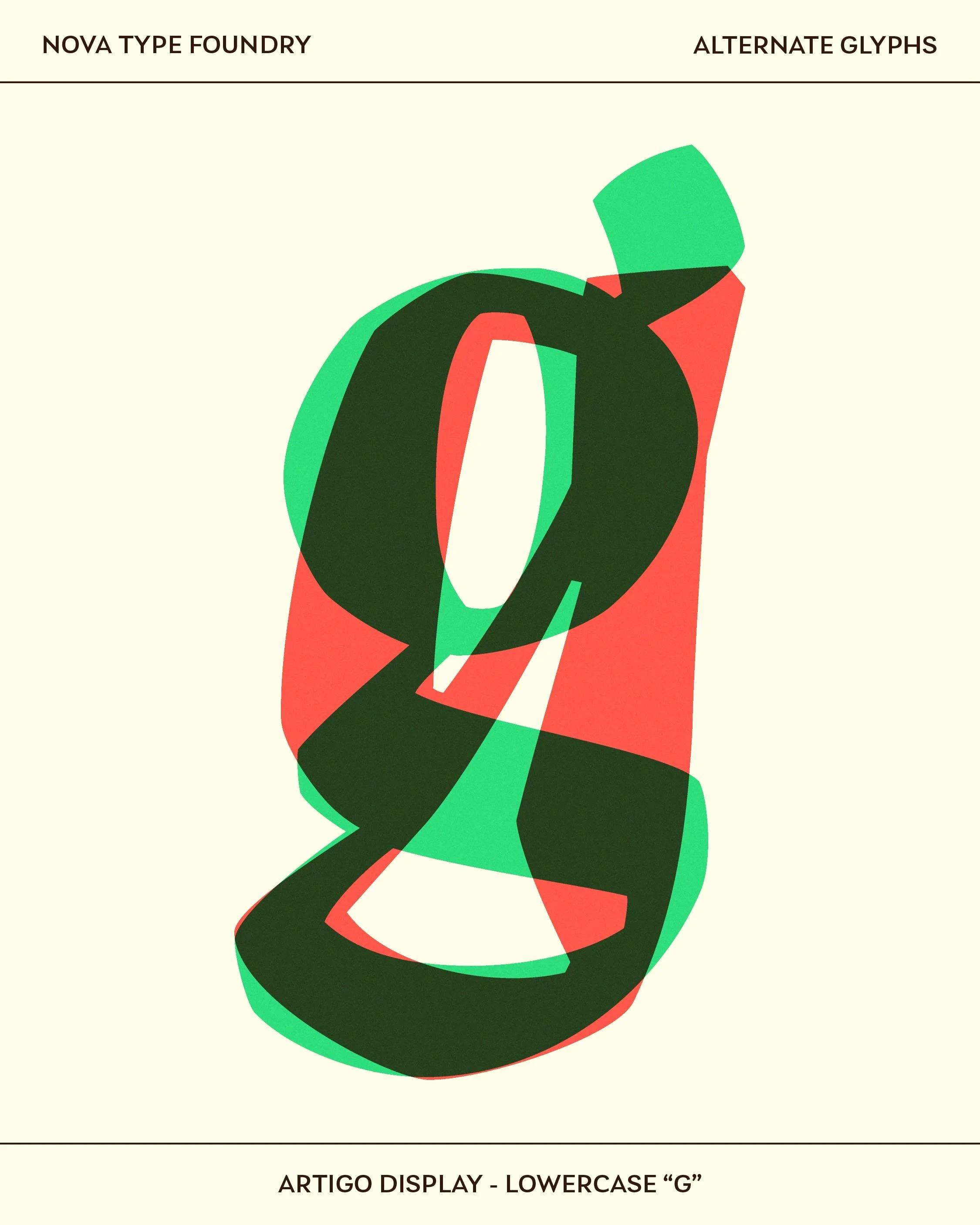
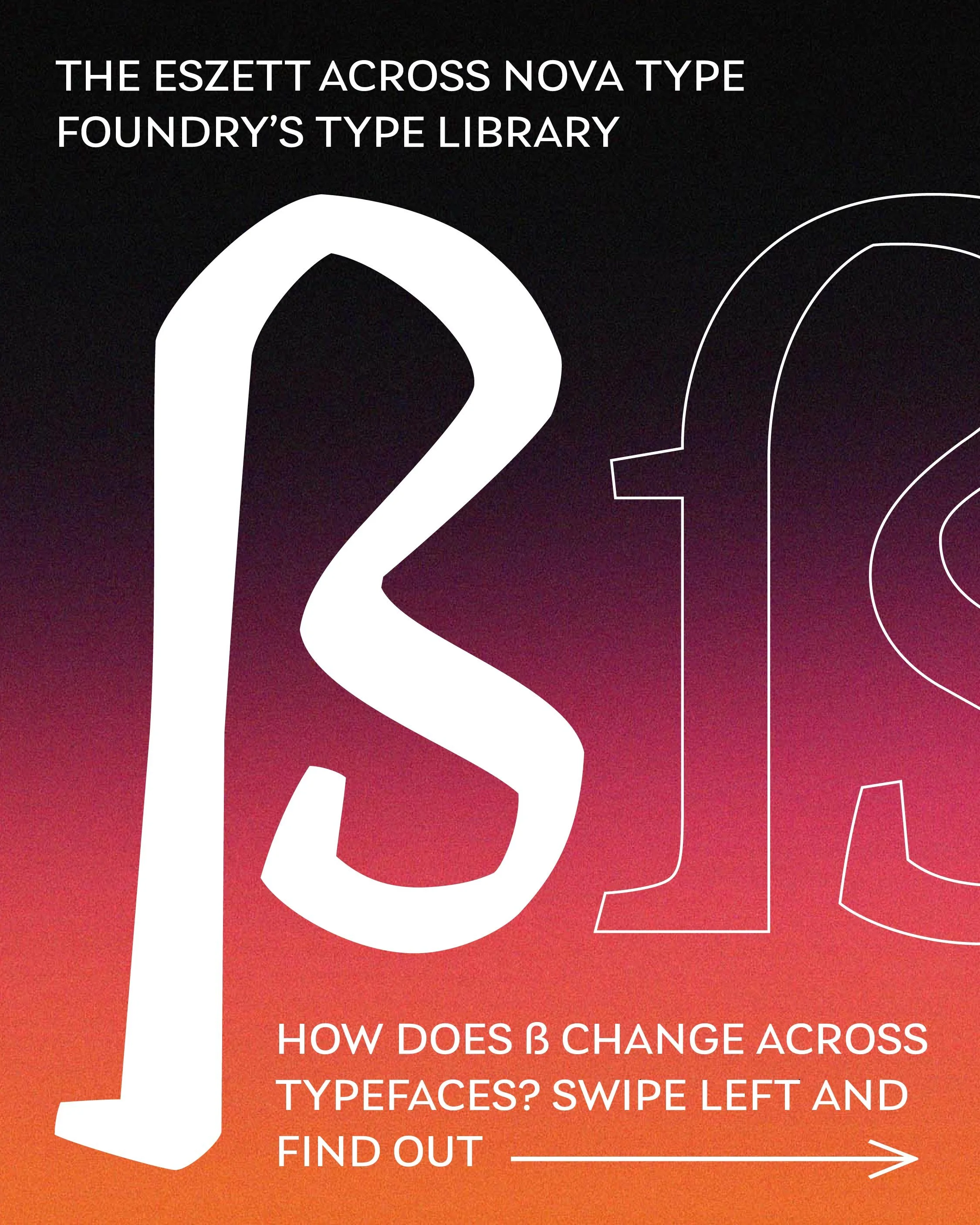
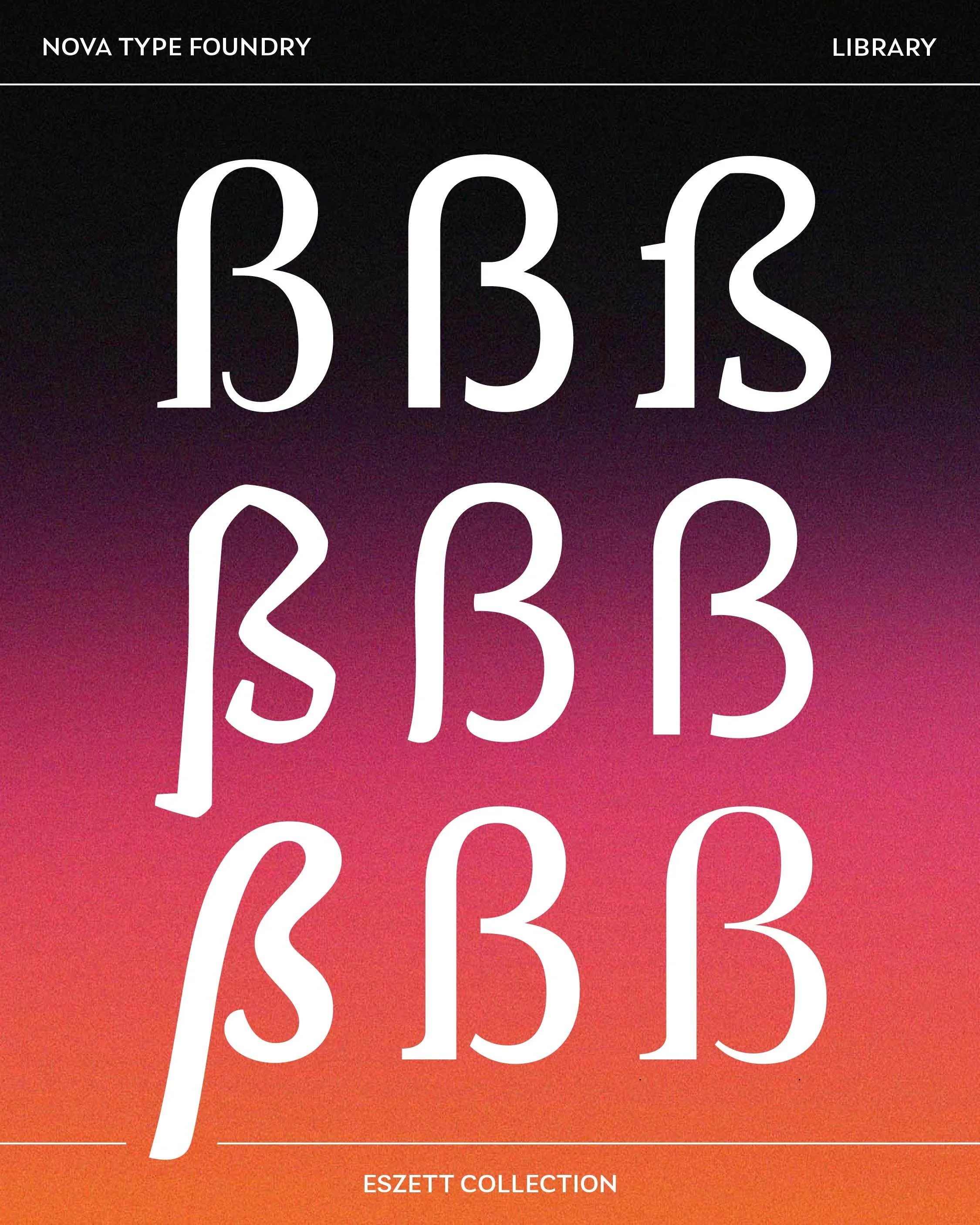
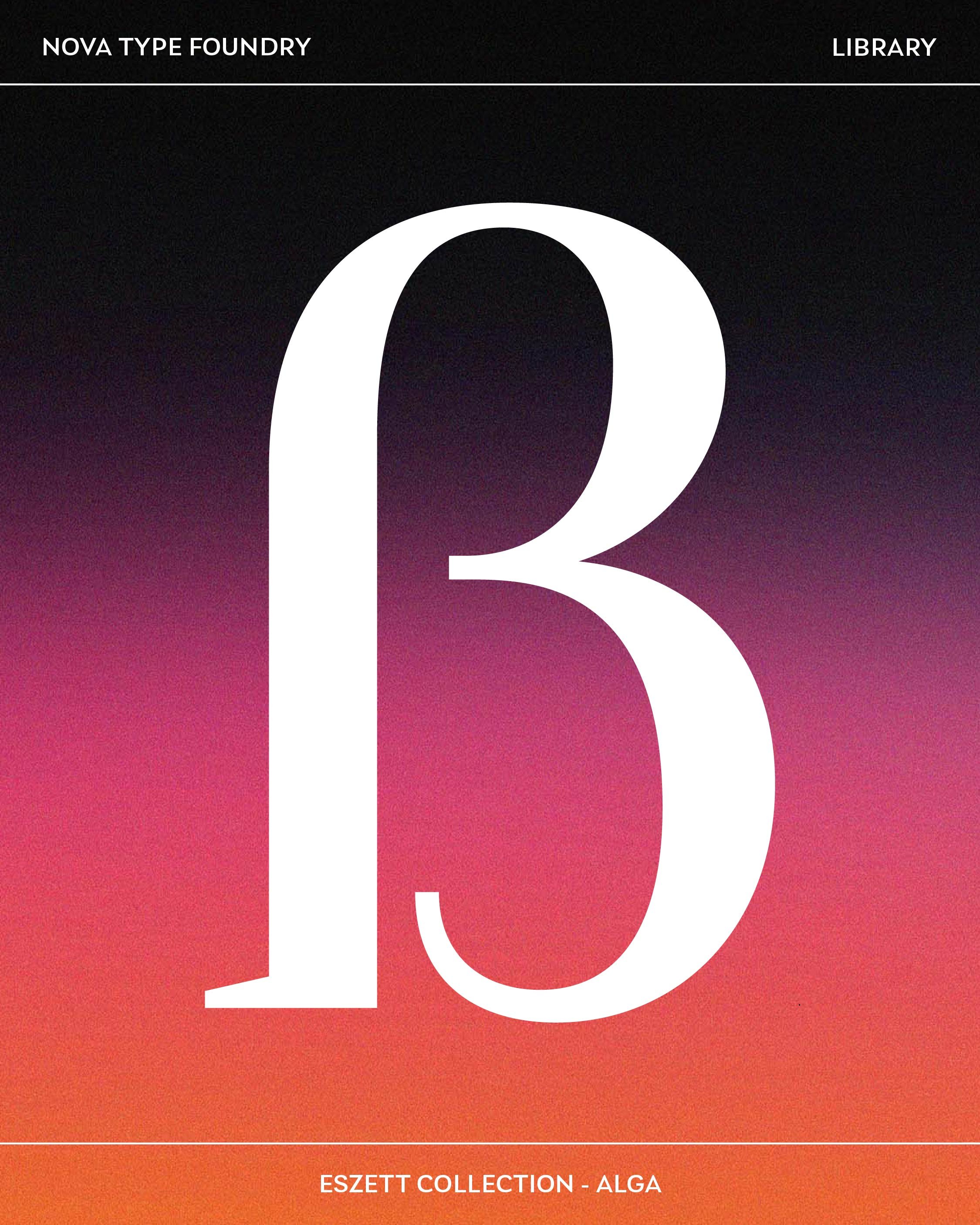
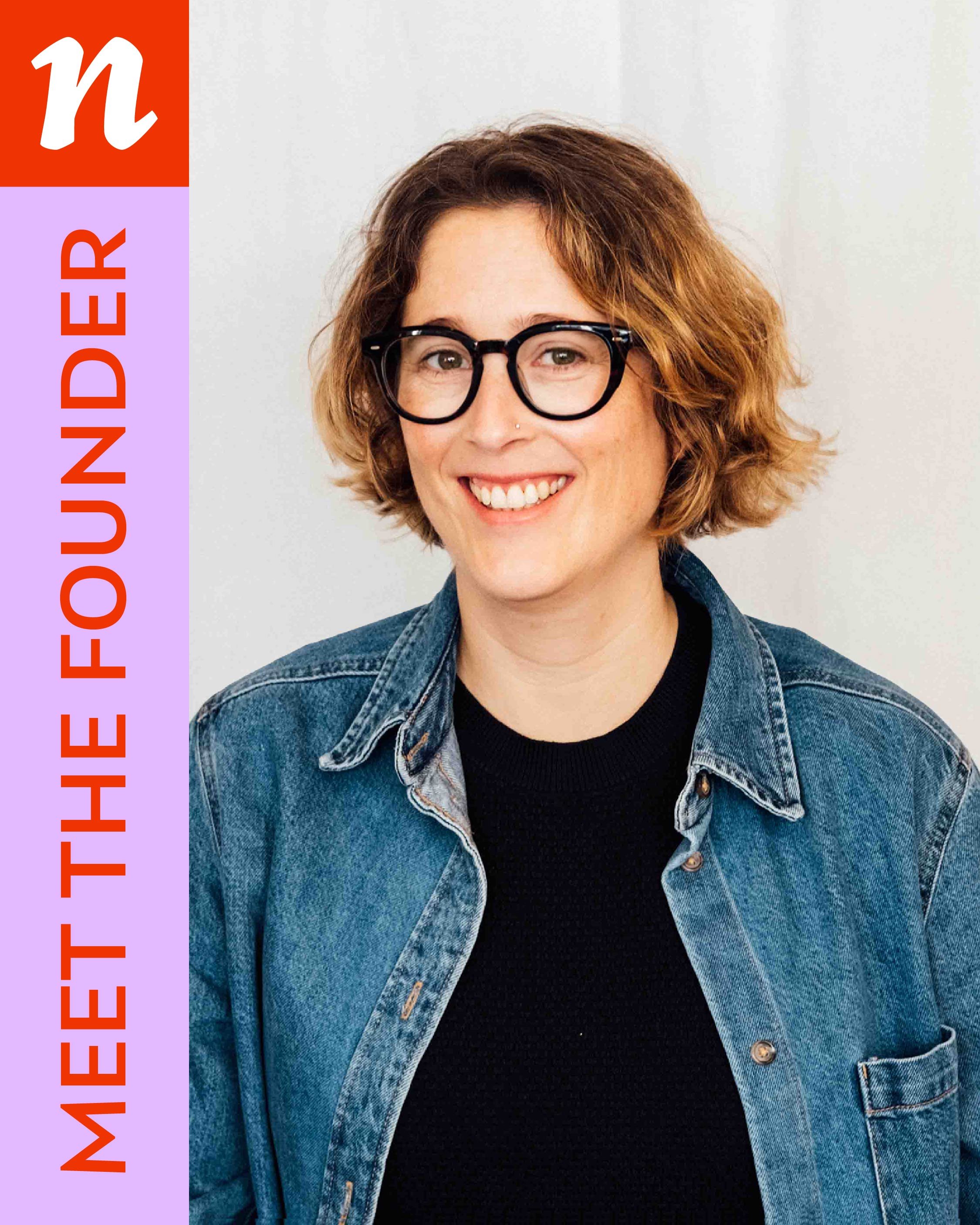
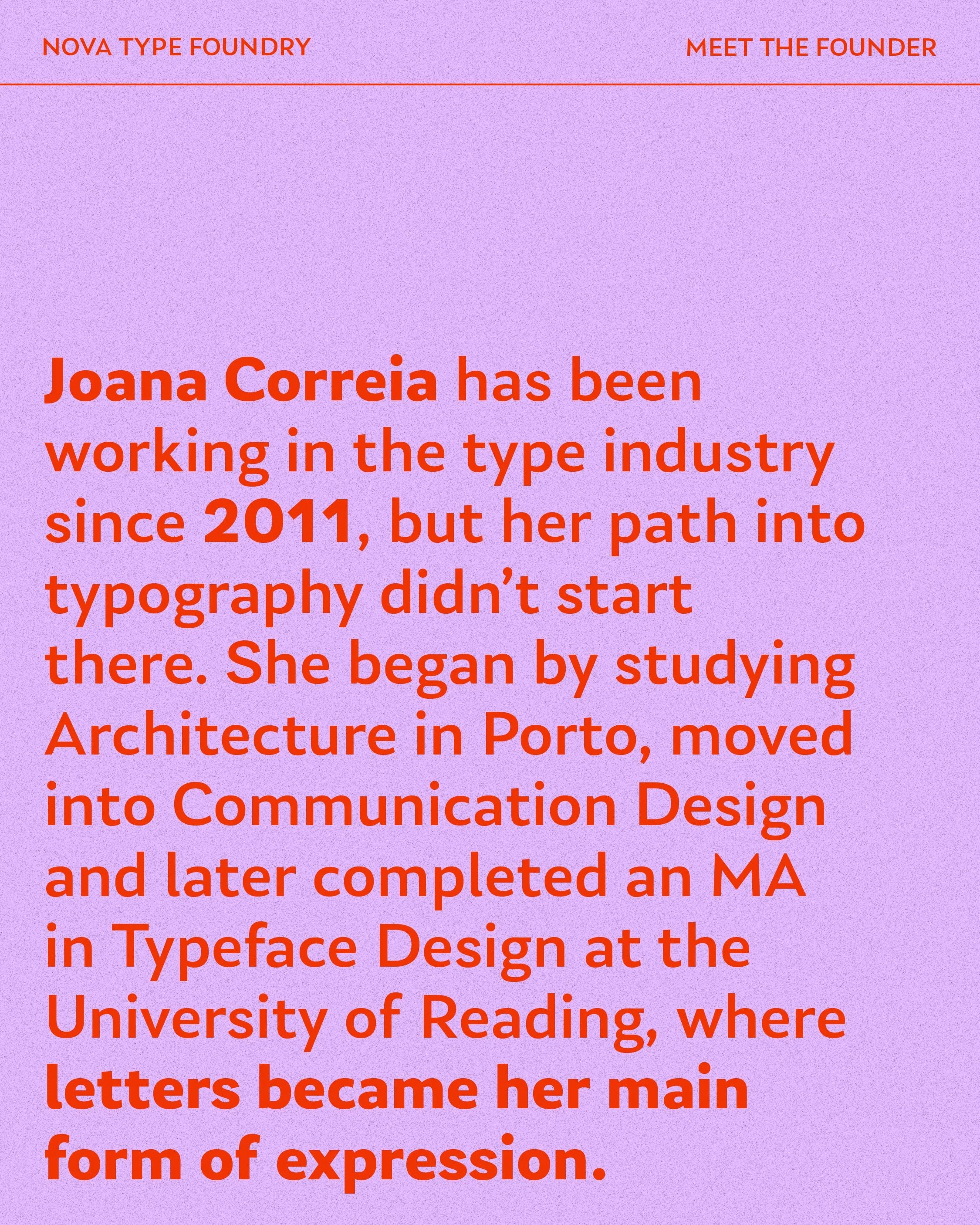
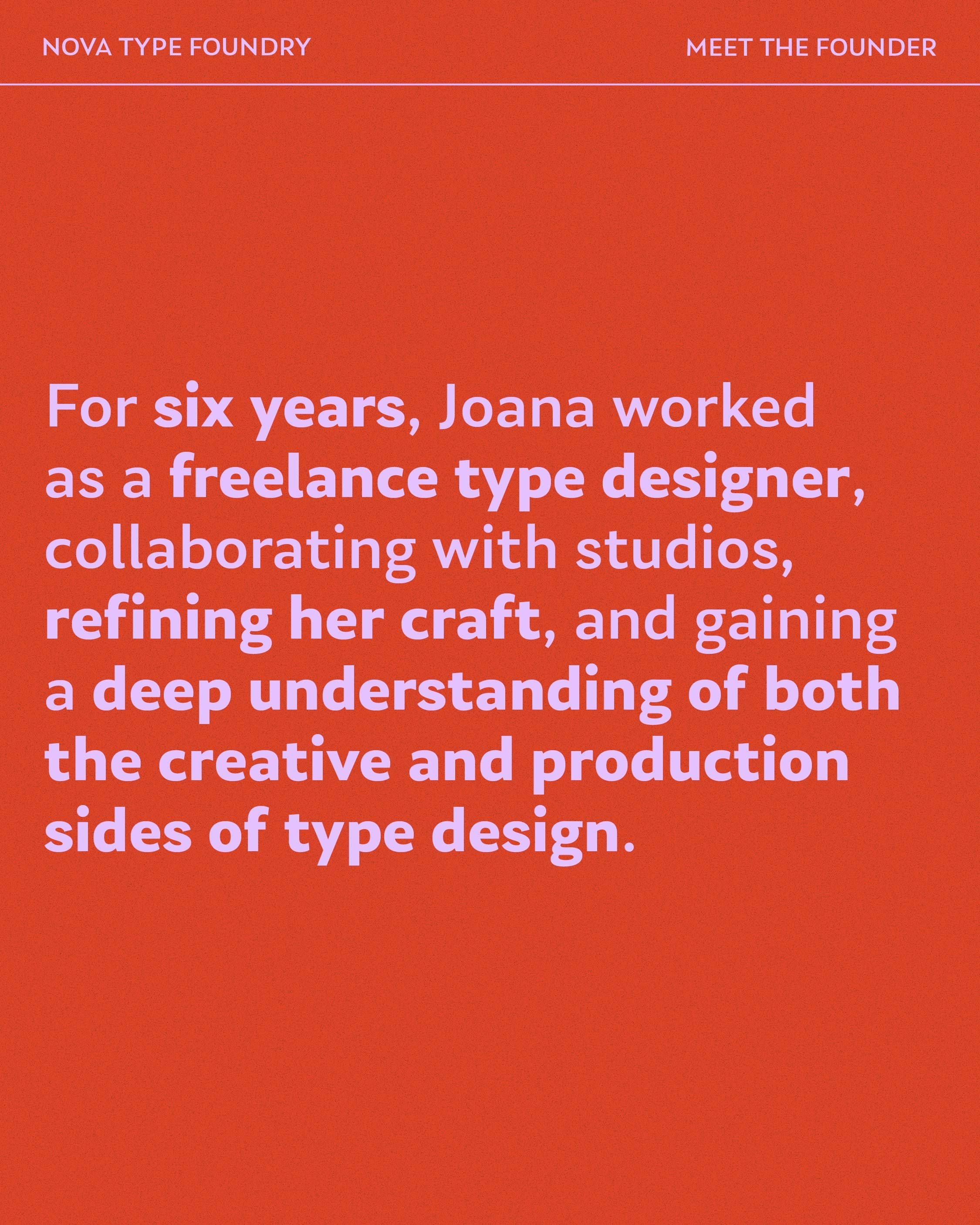
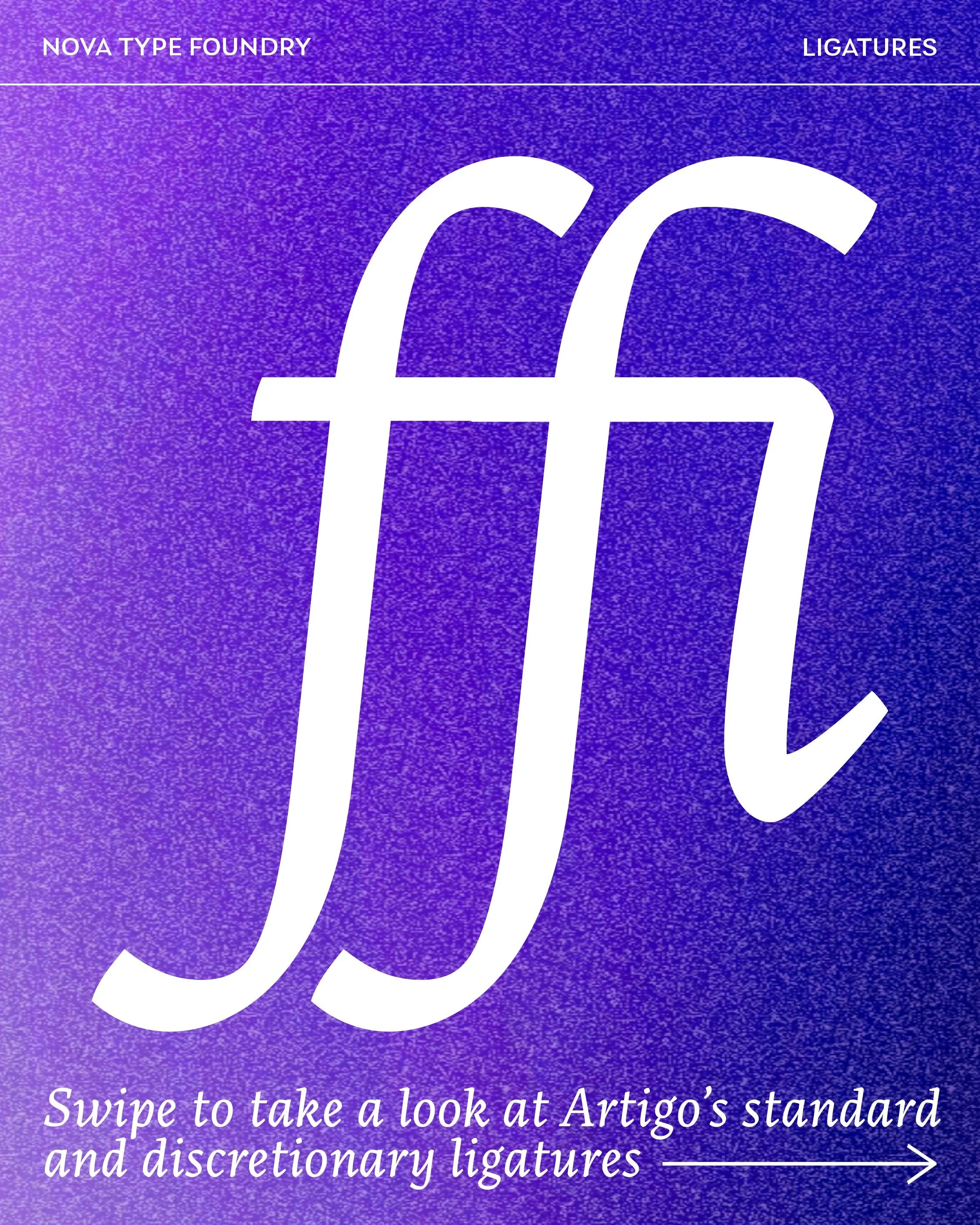
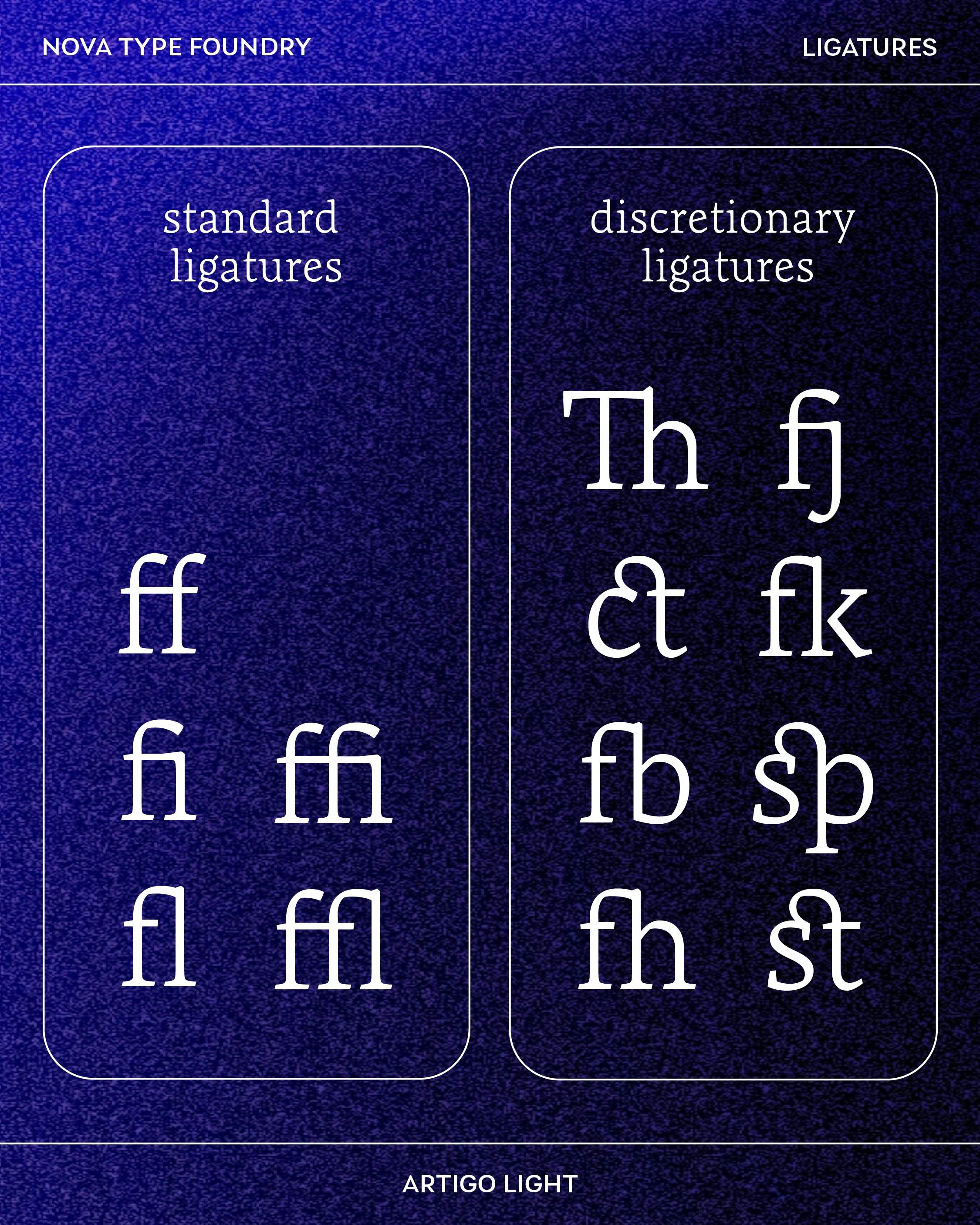
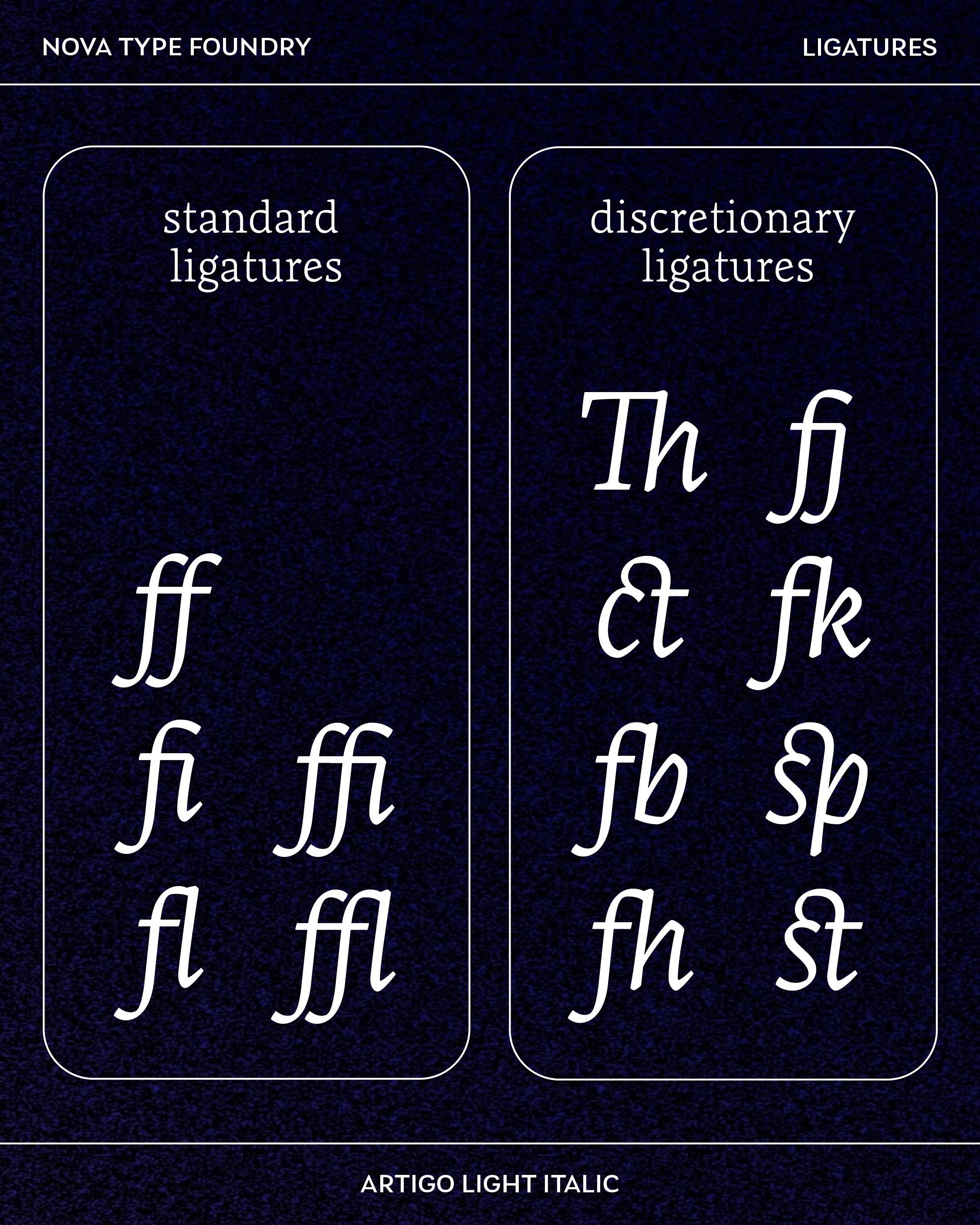
New visuals for social media, focusing on educational content and specific feature showcases.
Around that same time, Joana was also working on her own practice beyond Nova Type Foundry, named Joana Correia Studio, bringing together different aspects of her work in type design, collaborations and knowledge sharing within the type community.
We supported this new venture by creating a set of double-sided business cards, featuring the Nova Type Foundry branding on one side, and Joana Correia Studio on the other.
Since then, we have continued creating materials for Joana’s conferences and events, including postcards featuring information about Nova Type Foundry and its current typeface catalogue. We always enjoy doing these “side-quests” because they allow us to break-out of the social media design mindset (even though we do greatly enjoy it) and focus on different platforms or applications for a while. Plus, these pieces become practical tools for communication, helping introduce the foundry, share its work and create connections with potential partners, clients and the wider design community.
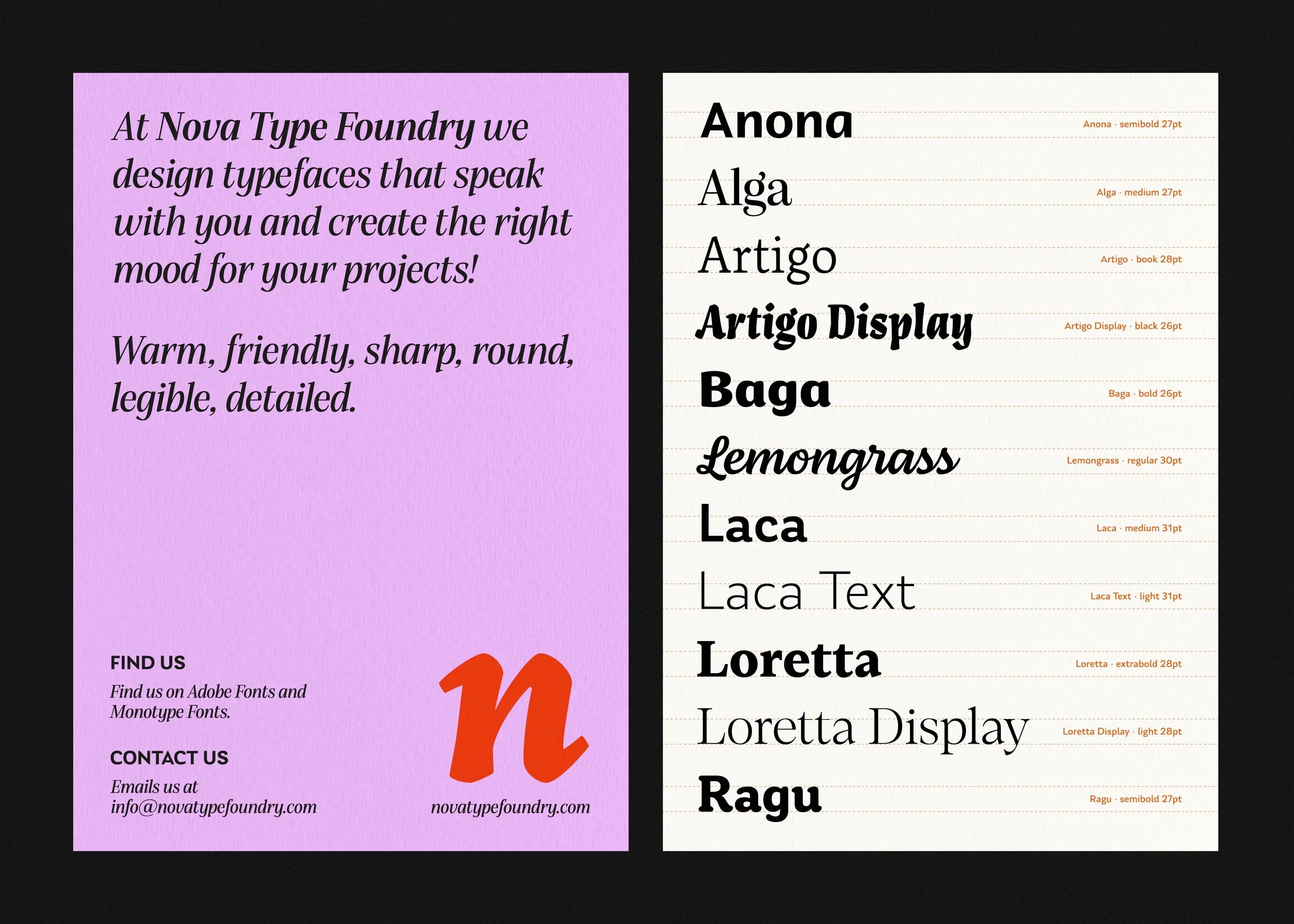
2 in 1 postcard / typeface specimen designed to showcase Nova Type Foundry’s catalogue and provide information about the foundry.
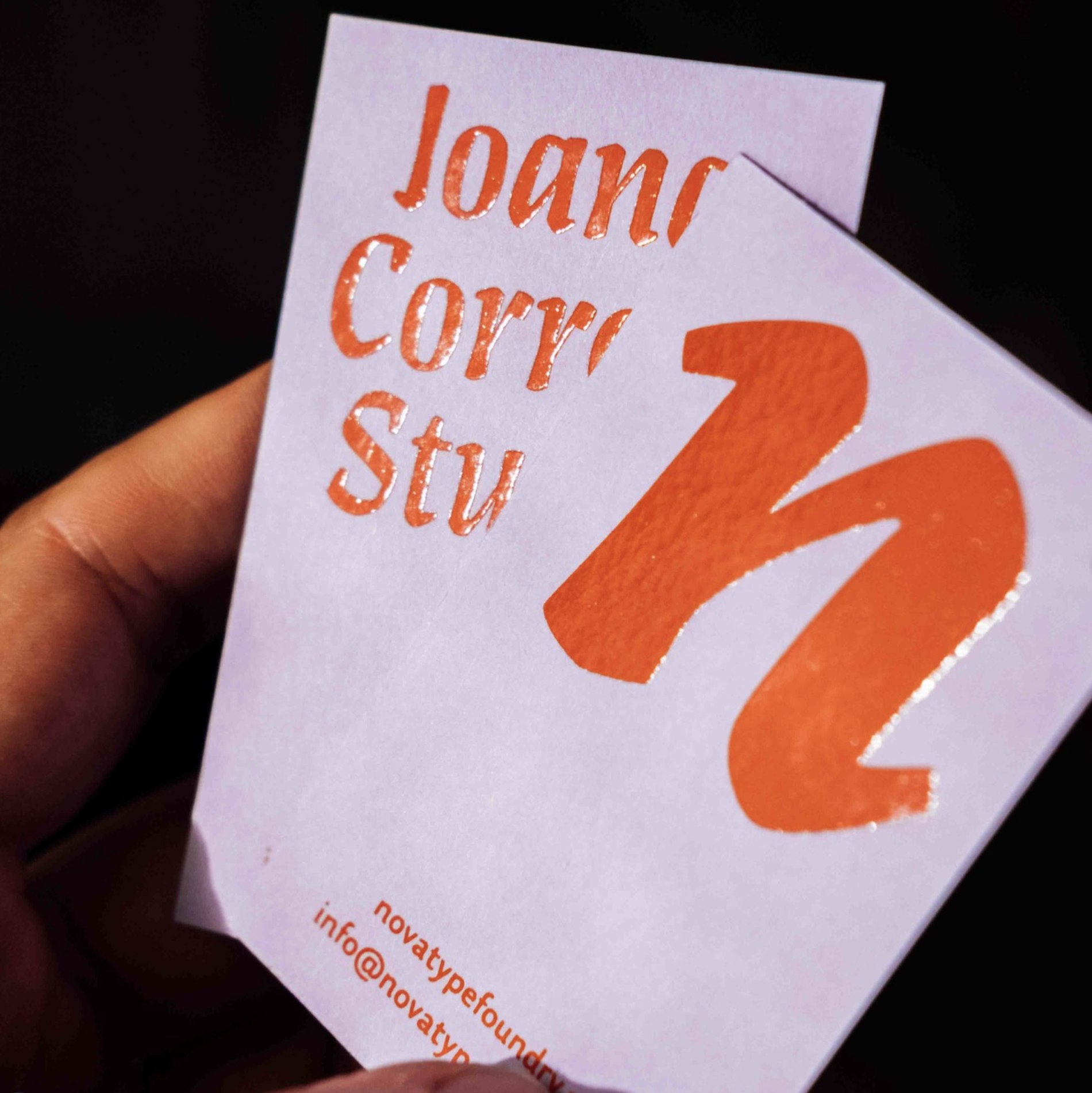
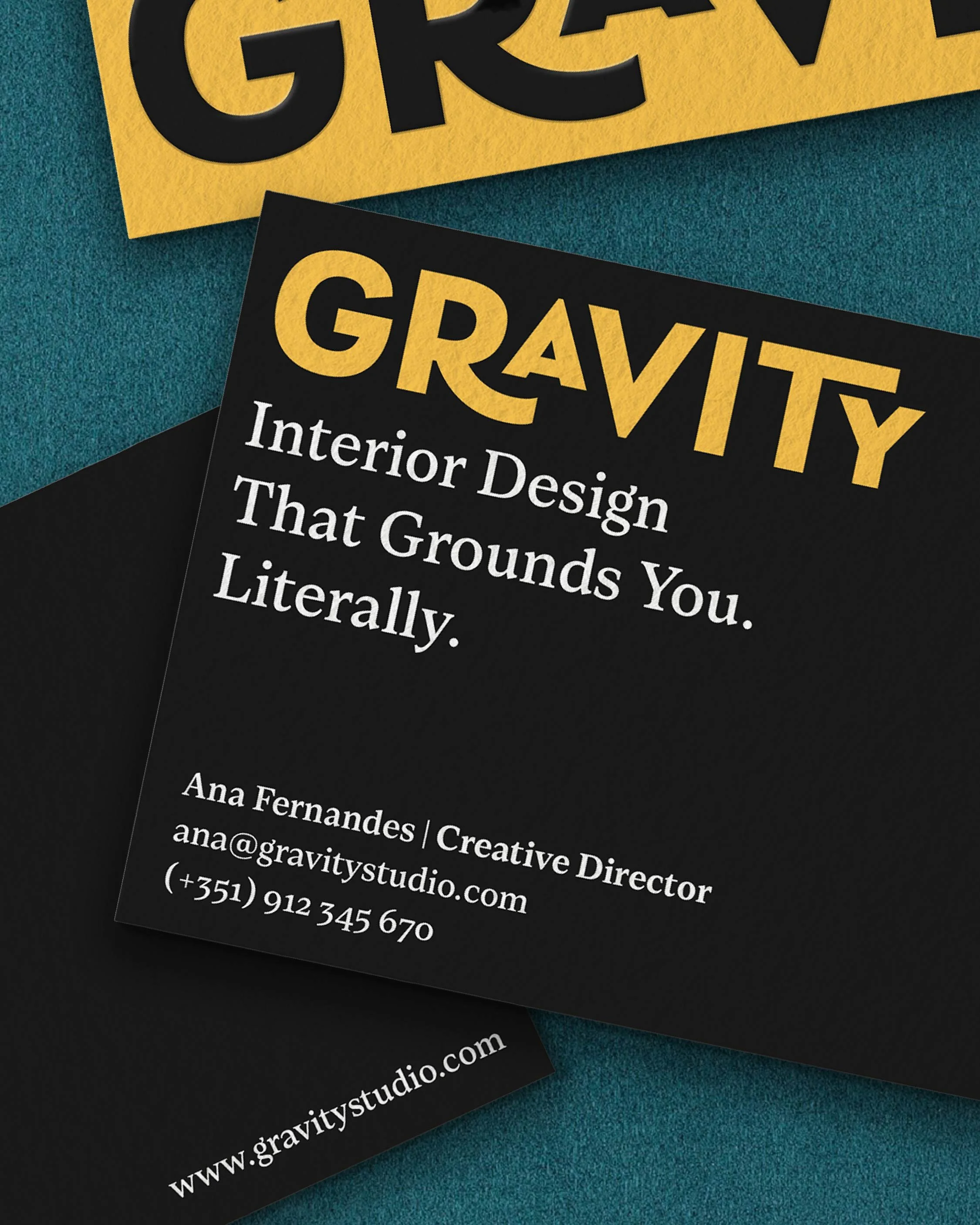
Nova Type Foundry / Joana Correia Studio double-sided business cards (with a UV Coating finish on the logos). Photograph by Miguel Barbot.
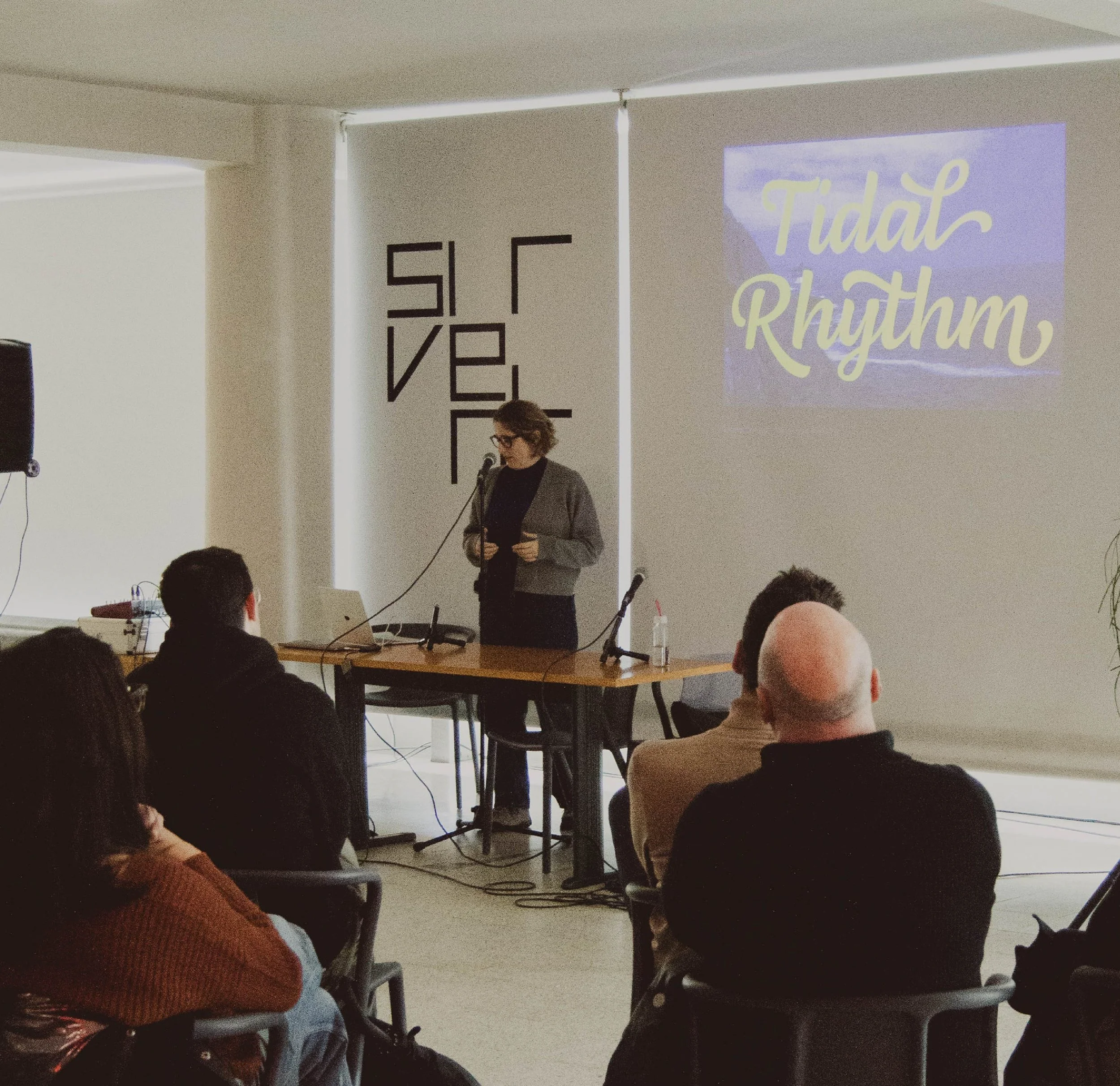
Joana presenting at the Cañas y Tipos 2026 conference, for which we helped with the presentation visuals. Photograph by Carla Bautís.
Looking back at these five years, what started as a project focused on social media communication has truly grown into a much broader collaboration. Over time, our role with Nova Type Foundry has naturally expanded and adapted to what the foundry needed at each stage. Sometimes that meant defining communication strategies, analysing audiences and discussing future directions. Other times, it meant designing a poster, preparing a social media campaign, writing copy, creating visuals or making sure every small detail was aligned.
A big part of our work has been helping translate the complexity of type design into communication that feels easy-to-understand, engaging and relevant, without losing the technical side and knowledge behind it. Working with a specialised field like typography has also reinforced something we believe strongly at Ofício: good communication starts with understanding. Before creating content, visuals or campaigns, there needs to be a deeper conversation about positioning, audiences, goals and the role a brand wants to play within its community.
In many ways, Nova Type Foundry has been one of the projects that helped shape our own approach to communication design. Social media strategy, content development and ongoing communication support were not always at the centre of our practice, but through collaborations like this they have become an important part of what we do.
Today, we see our role as being a long-term communication partner, someone who can help analyse, question, plan and design alongside a brand as it evolves. As it stands, Nova Type Foundry continues to evolve too. There are always new typefaces, new ideas, new conversations and new ways to share the work with the world.
So, what’s next?