
We usually recommend three books from our library at a time, but this time we’ve decided to slip an ‘extra’ into the bag. Today’s series is dedicated to urban space and life in our cities, one of our areas of work and a long-standing obsession.
David Byrne - Bicycle Diaries (Faber & Faber)
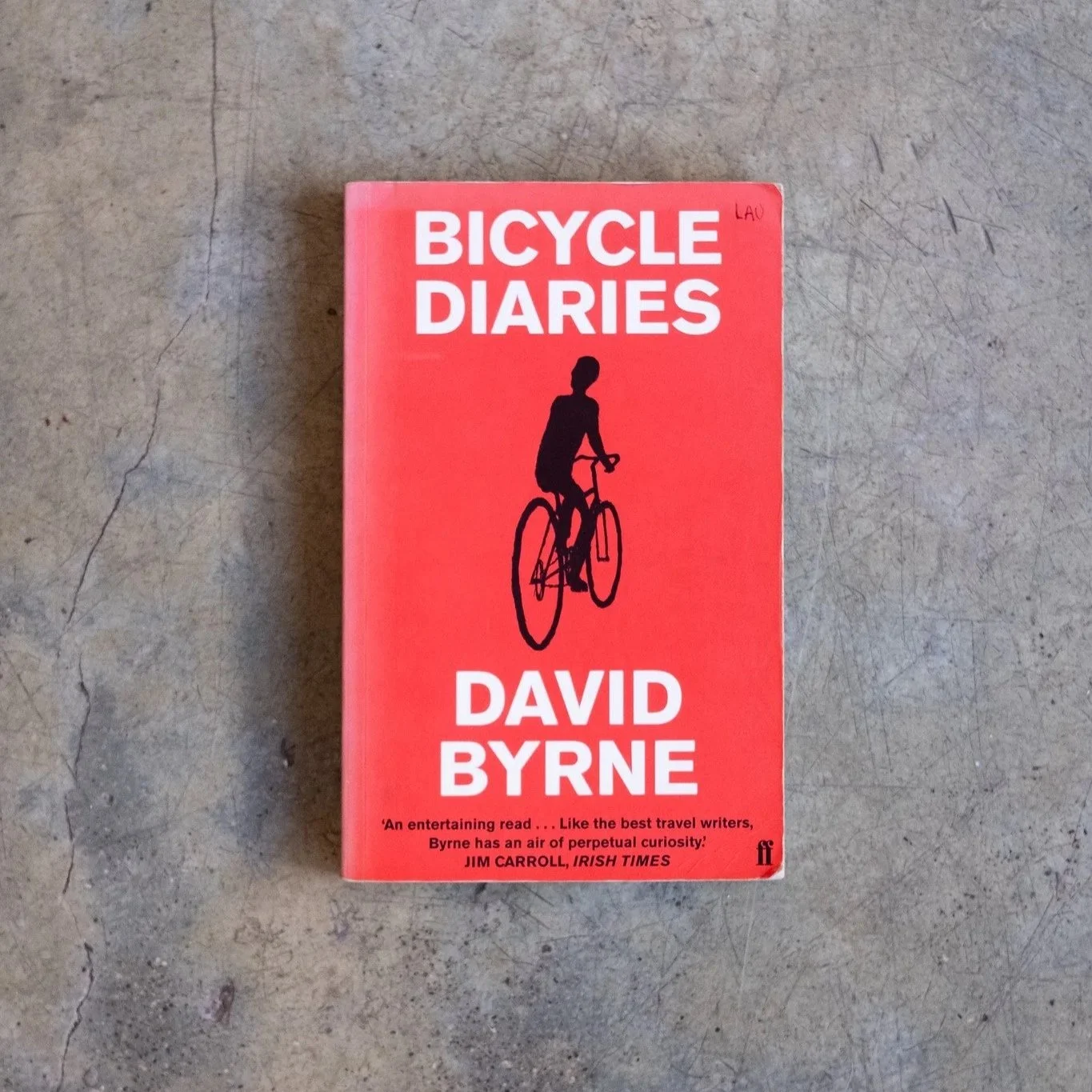
Published over 15 years ago, this book is a classic for all those who look at the city with an observant eye and use how we move around as a means of observation.
It is not just another psychogeographical compendium, but rather a collection of reflections on cities, art and music, in the form of memoirs by one of the most influential artists of recent decades.
“Bicycle Diaries – the title may be an ironic echo of Che Guevara's The Motorcycle Diaries; who knows? – is a deceptively straightforward book, an impressionistic glimpse of some of the cities that Byrne has explored on his pushbike. As anyone familiar with David Byrne's oeuvre might expect, it is not really a book about cycling per se, more a book in which cycling is, if you'll pardon the pun, the cog for Byrne's thoughts about architecture, music, art, travel, politics, religion, kitsch, decay and – a recurring theme – our "quality of life”.” - The Guardian (2009)”
David Sim - Cidade Suave (TowerBlock Books)
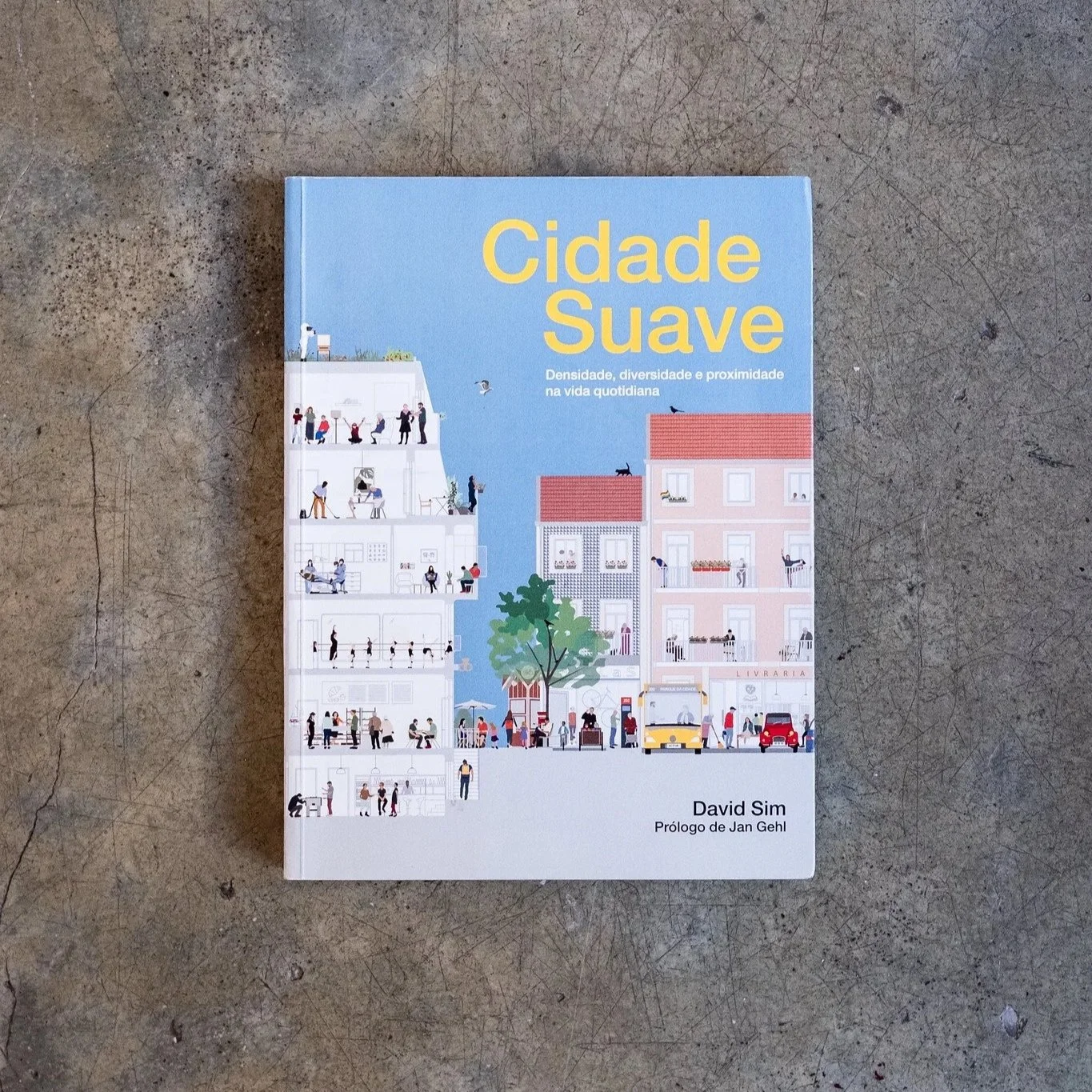
With a foreword by one of the ‘gods’ of urban humanisation, Jan Gehl, this is the Portuguese edition of the essential “Soft City - Building Density for Everyday Life”, a book that advocates urban density and the transformation of cities through small decisions that have a major impact on the way we experience the city.
“Imagine waking up to the gentle noises of the city, and moving through your day with complete confidence that you will get where you need to go quickly and efficiently. Soft City is about ease and comfort, where density has a human dimension, adapting to our ever-changing needs, nurturing relationships, and accommodating the pleasures of everyday life. How do we move from the current reality in most cites—separated uses and lengthy commutes in single-occupancy vehicles that drain human, environmental, and community resources—to support a soft city approach?
In Soft City David Sim shows how this is possible, presenting ideas and graphic examples from around the globe. He draws from his vast design experience to make a case for a dense and diverse built environment at a human scale”
M. Armengaud, A. Degros, R. Radulova-Stahmer (ed) - Towards Territorial Transition (Park Books)
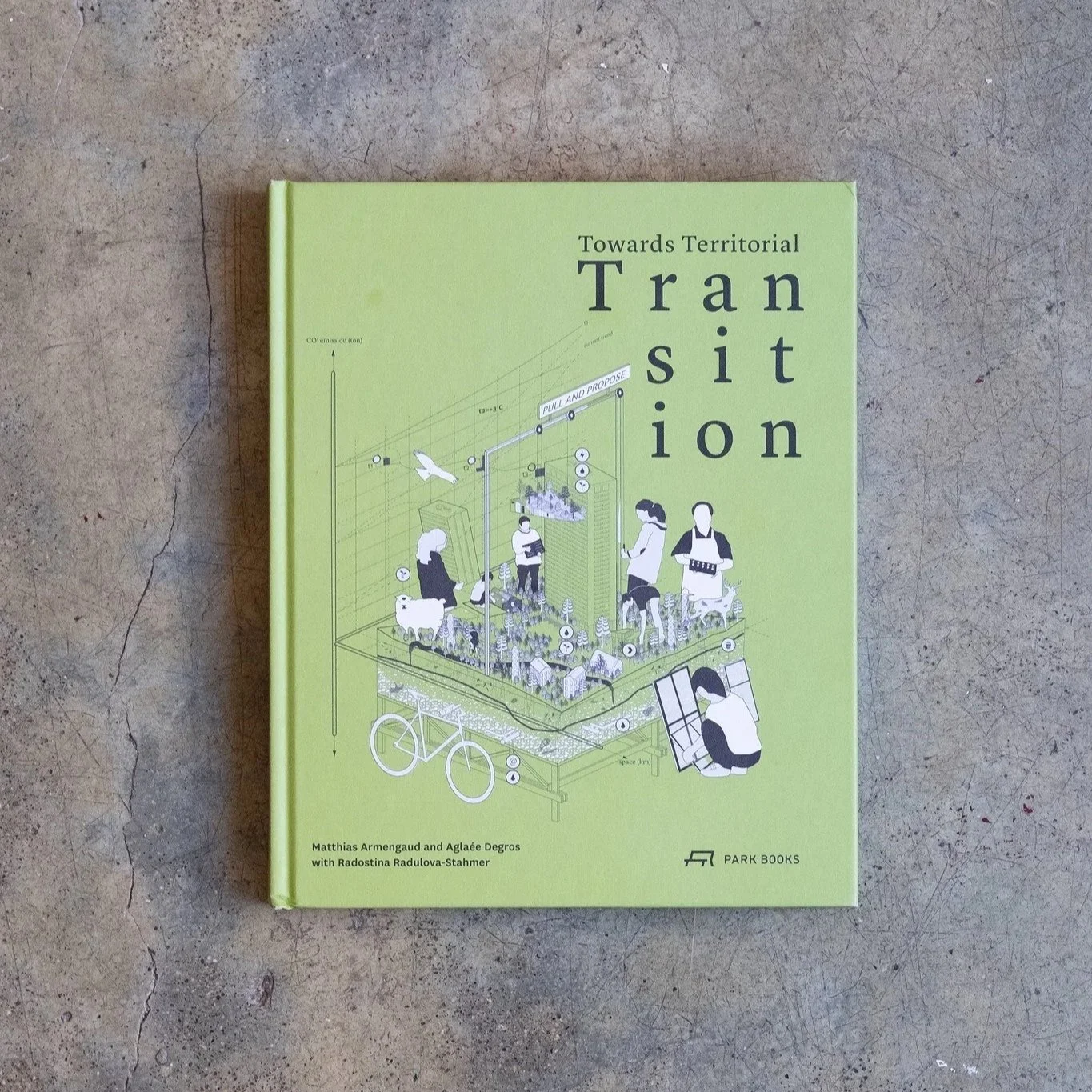
This book explores key areas of the climate transition: territory, scale, transition, resources, platforms and managing uncertainty. In a highly visual way (and with incredible infographics), it presents case studies for those concerned about the impact of climate change on urban areas, whilst also examining its relationship with peri-urban and rural areas.
“Towards Territorial Transition presents new spatial strategies, concepts, and approaches for shaping large-scale and transnational developments in architecture and urban design towards decarbonization and ecological transition. The contributions investigate interactions between ecological and resource-related systems and landscapes. They explore potential solutions to address and deal with the dramatic threats posed by climate change, and with the social crisis that may emerge from them.”
Paulo Ventura Araújo, Maria Pires de Carvalho, Manuela Delgado Leão Ramos - À Sombra de Árvores com História (Gradiva)
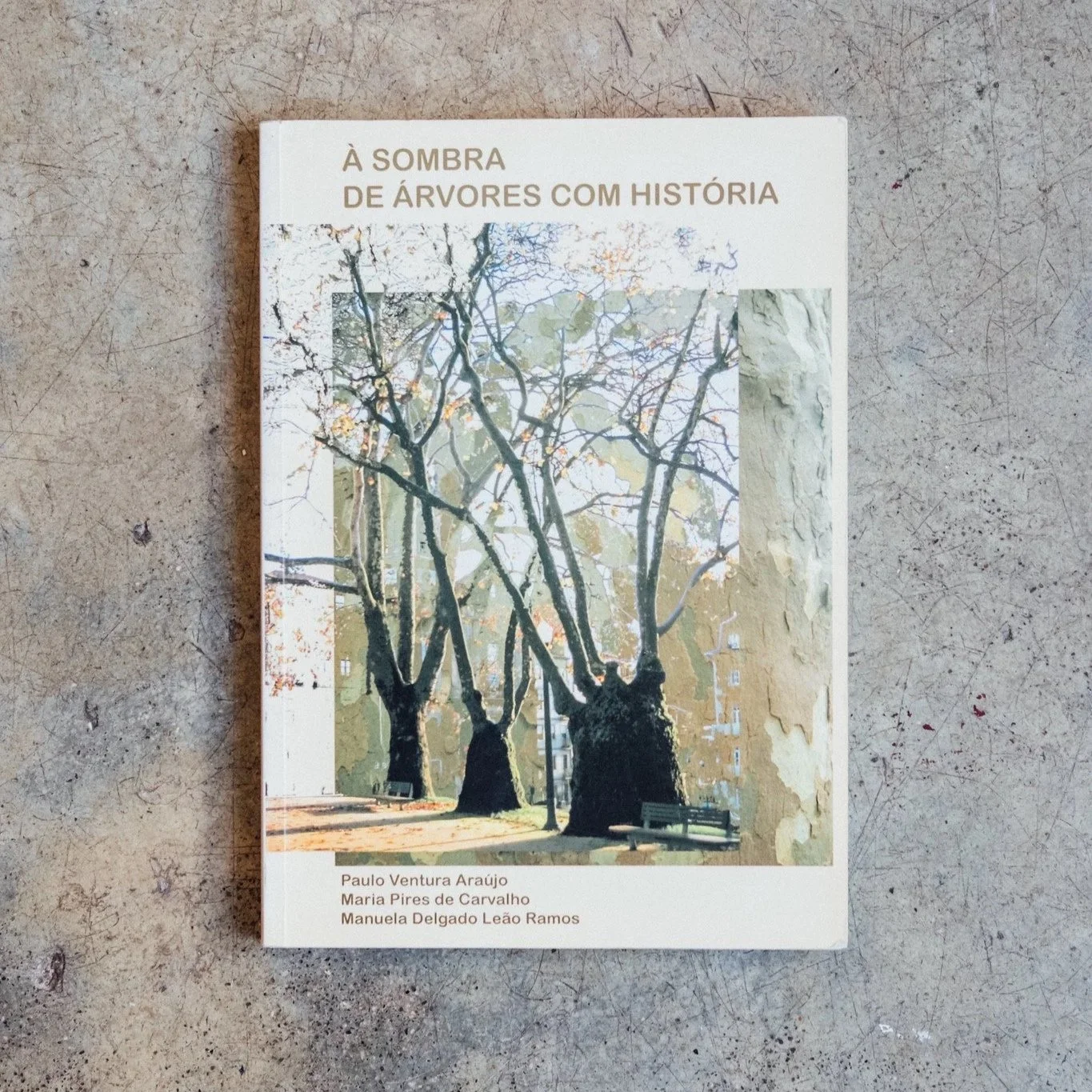
At a time when Porto is desperate for its ambitious tree-planting plan – presented with great fanfare by the previous council – to be brought out of the drawer, whilst reports reach us of trees being felled on private property, and after three heatwaves that have turned the walk down the street to the grocery shops into excellent preparation for the Badwater 135 Ultramarathon in Death Valley, it is high time to revisit this 2006 book, which takes a fond look at the city’s arboreal heritage.
“The trees the reader will encounter in this book belong far more to the city’s past than any of us do. Anyone who has realised the importance of a tree has not cut it down. A city must know where its trees are, or might be, and protect them from the ignorance of its citizens. It would be foolish to think that, at the start of the 21st century, it is solely the responsibility of central government to safeguard their future: local councils, parish councils, non-profit organisations and society itself are expected to assist in this mission. This publication seeks precisely to help its citizens appreciate the wealth that the city of Porto possesses in the company of its trees.”