Why this matters
As part of the TransparencyChain project, educators will play a pivotal role in bridging the gap between a sometimes complex technology (blockchain) and the real, tangible world of craft and materials. Many craftspeople have limited or no prior experience with digital tools or blockchain, so the way you present it can make all the difference. Use these tips to help your learners see blockchain not as a barrier, but as a new tool to enhance authenticity, credibility, and storytelling.
1. Start from real stories, not bits & bytes
Begin with examples of provenance and counterfeits in crafts (e.g. mislabelled materials, fakes, uncertain origin). Show how provenance matters in trust, price, and storytelling.
Use case studies or analogies: for instance, “imagine a certificate travels with a piece of jewellery through each step (quarry → workshop → retailer), but in digital form.”
When you introduce blockchain, frame it as a tool that supports those real stories, rather than a technical abstraction.
Let participants bring their own materials or pieces and map out “where did this come from?”, this becomes their anchor for understanding.
2. Use low-tech metaphors & hands-on analogies
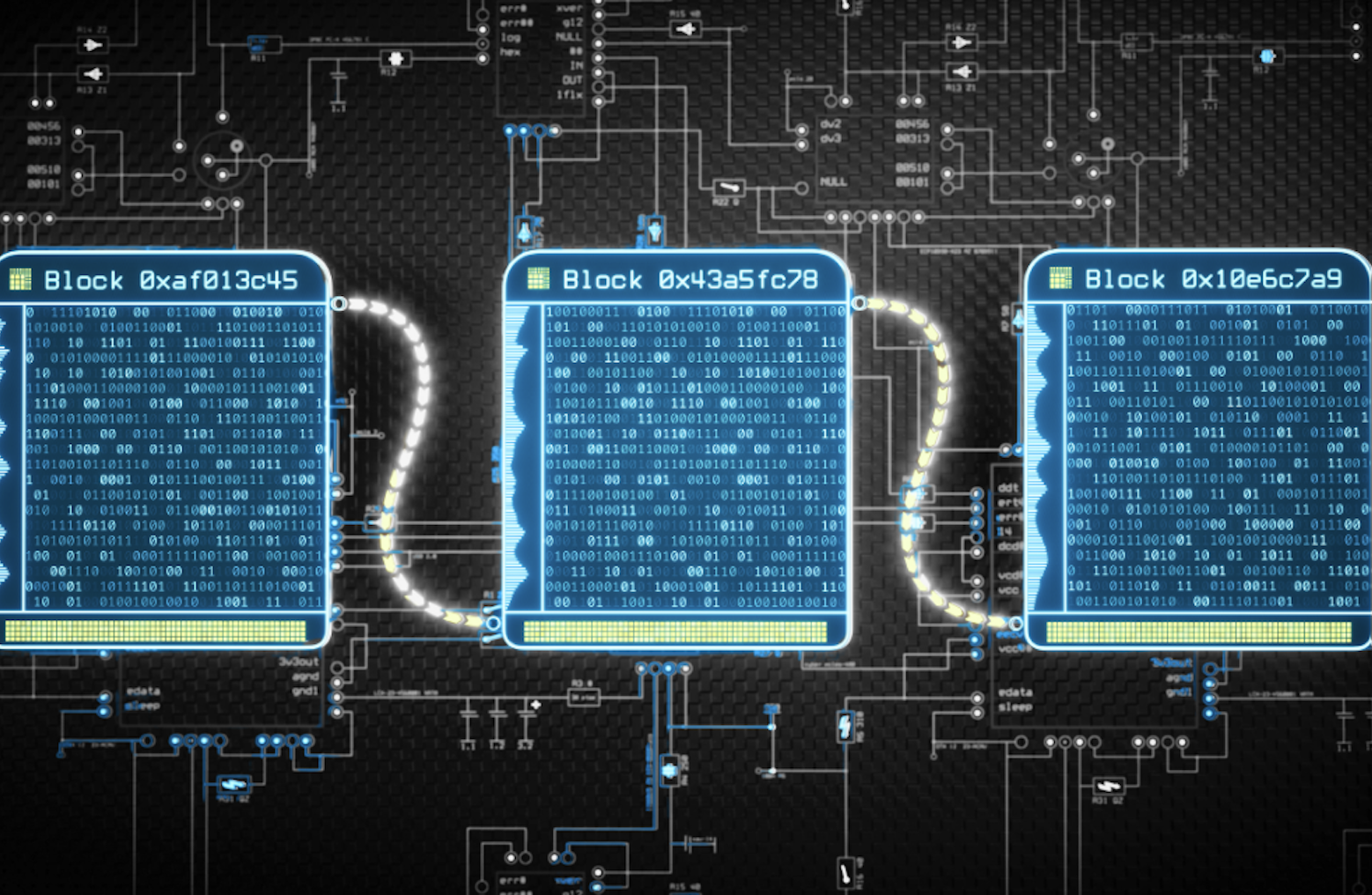
Use simple metaphors like a ledger or notebook. E.g., “like a notebook that many people hold a copy of, and once you write something, it can’t be erased.
Physical analogies help: you might use coloured stamps or stickers in a paper chain to simulate how provenance moves step by step.
Use visuals and flow diagrams (materials → transformation → product → sale) to show how data would flow in the blockchain.
If possible, use a sandbox/dummy version of the platform early, so learners can “touch” and “see” the system in action before diving deeper.
3. Emphasise what blockchain does for them (not how it works)
Focus on the benefits they care about: transparency, customer credibility, the ability to showcase sustainable sourcing, and differentiation from imitators.
Use “you” language: “You will be able to show where your raw materials came from,” rather than “the protocol records hashes.”
When you do explain technical aspects, keep them minimal and contextual. You don’t need full cryptography—but you can explain ideas like “immutability” (cannot be tampered), “traceability,” and “proof of origin.”
Introduce smart contracts or automated rules only when needed for example, explaining how certain attributes (e.g. “organic cotton”) might be automatically validated in the system.
4. Build confidence through scaffolded, supported practice
Break down tasks into small steps. For example:
1. Enter material origin data
2. Link supplier info
3. Add processing steps
4. Link to final product
Use guided worksheets or templates to help them know what to include (e.g. date, location, supplier name).
Pair more digitally comfortable participants with those less so (peer support).
Encourage experimentation in a “sandbox” mode (no penalty for mistakes).
Provide cheat sheets, glossaries, short video demos, or mini-tutorials.
Offer office hours or drop-in sessions for extra help.
5. Address concerns: privacy, costs, data quality
Be transparent about what data is public vs private. Explain how sensitive data (e.g. supplier prices) may be abstracted or pseudonymized.
Discuss data quality: emphasise that blockchain is only as good as what is put into it. If someone inputs wrong or missing data, the chain doesn’t magically prove correctness.
Talk about cost, maintenance, and energy, if applicable, in your blockchain implementation.
Be honest about limitations or trade-offs.
Stress that adoption is gradual: they don’t need to trace every item immediately. They can start with a limited set of products or materials.
Encourage feedback and iteration: when participants see issues, incorporate their suggestions. Let the system evolve with them.
Closing thoughts
Educators in the TransparencyChain programme are not just trainers of technology; you are translators, coaches, and confidence-builders. By anchoring your lessons in real-world craft practice, using accessible metaphors, giving hands-on scaffolding, and being open about limitations, you’ll help craftspeople see blockchain not as a mysterious barrier but as a strategic tool to tell the full, authentic story of their creations.